When deciding between metal braces and ceramic braces, it is important to consider appearance, durability, and cost. When used properly, both options effectively straighten teeth.
Metal braces are very strong and affordable. Ceramic braces are especially popular among adults and image-conscious teens because they offer a much more discreet, tooth-colored look at a noticeably higher price.
This article explains the actual pros and cons of metal braces vs ceramic braces. It also compares both options side by side. This helps you decide which choice best suits your priorities before your next orthodontic consultation.
Metal Braces vs Ceramic Braces: Quick Comparison
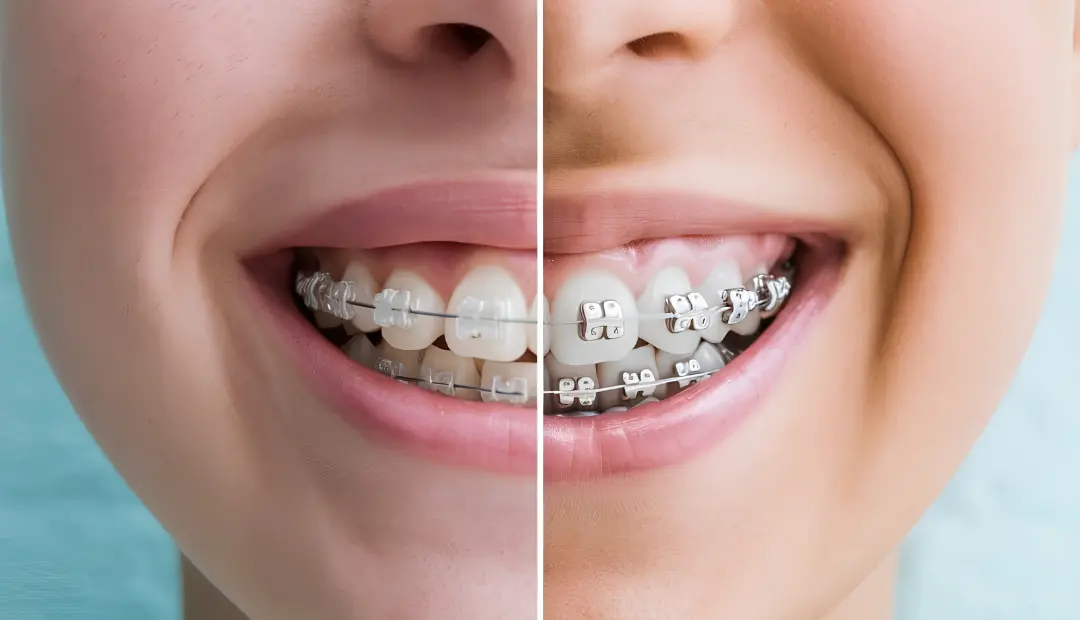
Both ceramic and metal braces effectively straighten teeth; however, they differ in cost, durability, and appearance. Metal braces use stainless steel brackets, which are more durable, less costly, and slightly faster at correcting complex bites. Ceramic braces use clear or tooth-colored brackets that blend into your smile.
Even though they usually cost $1,000 to $2,000 more, they especially appeal to image-conscious teens and adults. The best choice depends on your priorities because neither option is always better.
The table below compares the two options based on the most important factors.
Factor | Metal Braces | Ceramic Braces |
| Visibility | Shiny brackets that are very noticeable | Far less obvious, tooth-colored |
| Durability | Very strong and rarely break | More fragile and can chip under pressure |
| Cost | The most affordable option | Usually costs $1,000 to $2,000 more than metal |
| Comfort | Can irritate lips and cheeks | Smoother and less irritating |
| Staining Risk | Metal does not discolor at all. | Clear ties can stain from coffee, tea, and curry |
| Customization | Colorful elastic ties available | Limited to natural, tooth-colored look |
Pros and Cons of Metal Braces
Metal braces are made from high-grade stainless steel. Because of this, they can handle strong forces and complex alignments without breaking. They are often the most affordable orthodontic choice. Additionally, they are totally resistant to staining and allow kids and teens to customize their braces with colorful elastic ties.
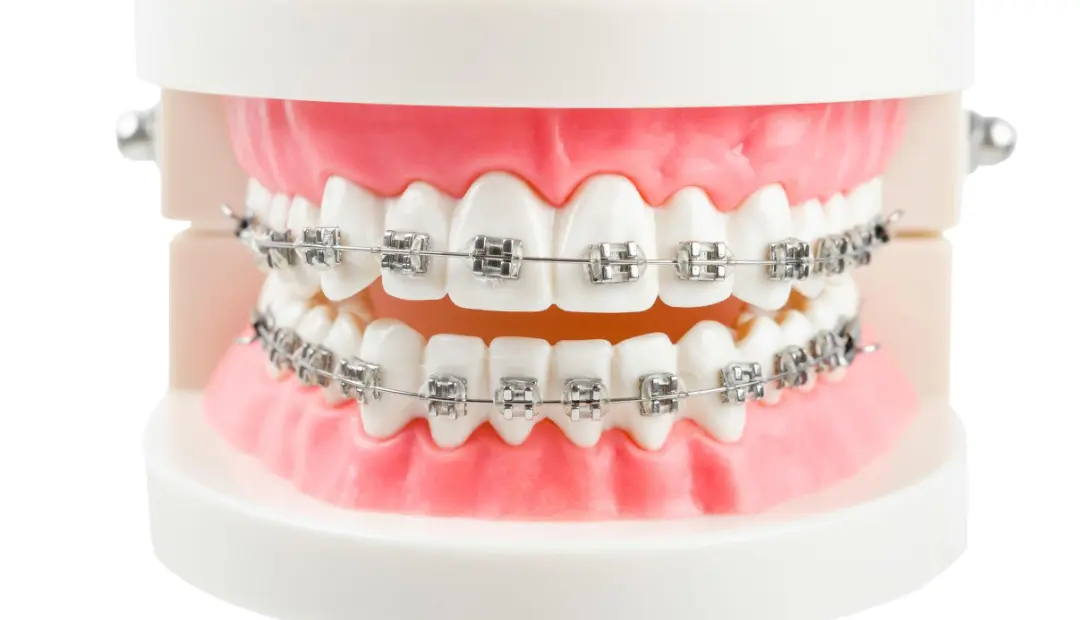
The trade-off is visibility, as metal brackets are very noticeable and sometimes cause irritation inside the lips or on the cheeks. Despite their visibility, many patients still prefer metal braces for their reliability and low cost.
Advantages of Metal Braces
For more involved bite corrections, metal braces are a great option because they can handle heavy forces and complex alignments. Usually, they are the most affordable orthodontic choice. Additionally, they won’t stain from food and drink and offer kids and teens a fun way to customize their treatment with colored elastic ties. The added durability also means that active patients who play contact sports will not have to worry about the appliance while playing.
Drawbacks of Metal Braces
The most obvious drawback is visibility because metal brackets are shiny and quite noticeable in pictures and everyday conversations. Also, some patients have irritation on the inside of their cheeks or lips, especially during the initial weeks of treatment.
Pros and Cons of Ceramic Braces
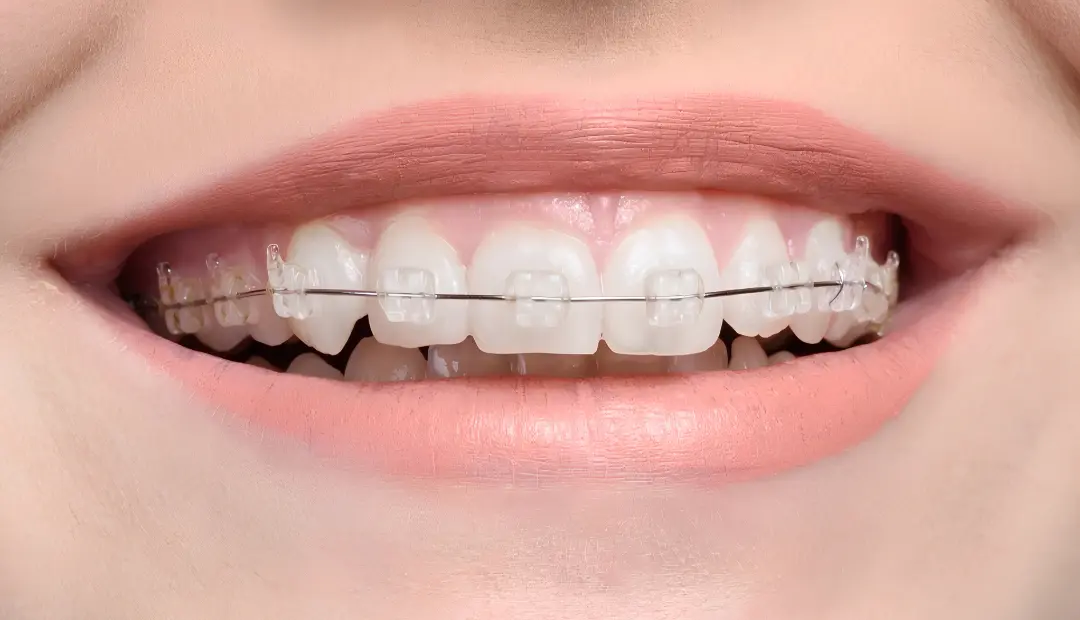
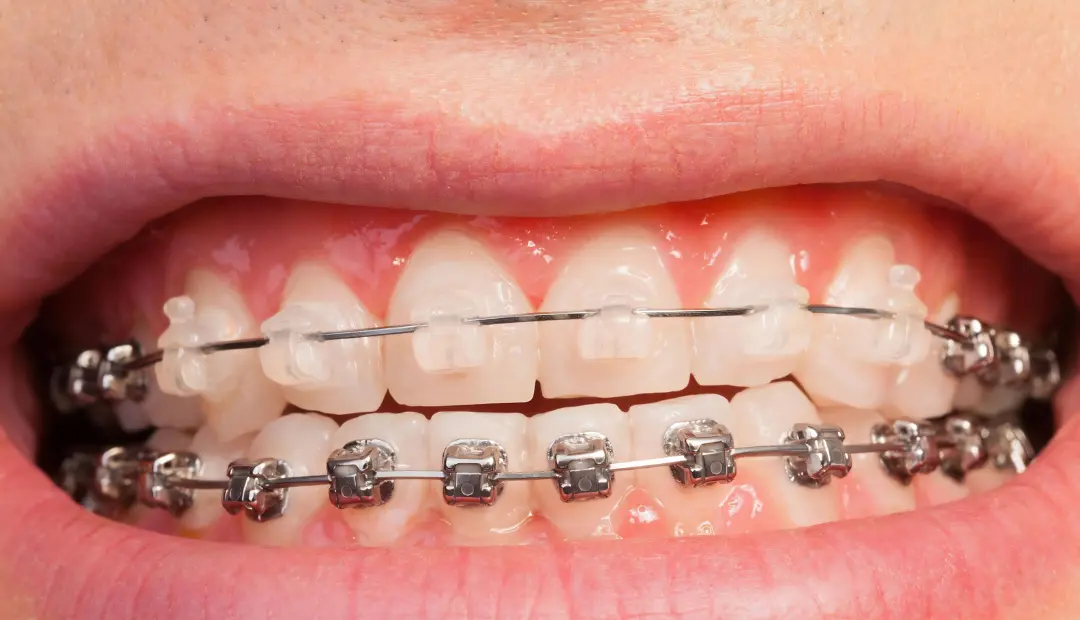
The clear or tooth-colored brackets used in ceramic braces blend in naturally with your teeth. This makes them an ideal discreet option for both adults and professionals. In most situations, they move teeth with about the same mechanical power as metal, and they are often smoother and more comfortable against your cheeks and gums. Higher costs, more fragile brackets that can chip under pressure, and clear ties that can stain without proper care are downsides.
Advantages of Ceramic Braces
The main attraction is appearance. Tooth-colored brackets blend in much better than metal brackets, especially in professional settings or photos. Many patients choose ceramic brackets because they are smoother and more comfortable, with rounded edges that are less irritating.
Drawbacks of Ceramic Braces
Because ceramic brackets are more fragile than metal, they can chip or break under high pressure, especially with crunchy or hard foods. Clear elastic ties can stain over time, especially from food and drinks such as coffee, tea, and curry. The materials used to produce ceramic braces also tend to make them more expensive.
Which Option Straightens Teeth Faster?
When it comes to complex bite corrections, metal braces usually provide a slight edge in treatment speed. They consistently handle more force with their stronger material.
Self-ligating systems are available in ceramic and metal options. Because they are easier to clean and reduce irritation during treatments, they may sometimes allow treatment to be completed a few months sooner than with standard braces. Ceramic braces require a little more care along the way. However, they work at the same overall pace.
How to Choose Between Metal and Ceramic Braces
Your specific priorities will decide the best option. Ceramic braces fit better if looks are your top priority and you agree to pay more and take care of them. While metal braces make sense if you want the strongest, most affordable option and do not mind the visibility.
Because both options are effective in straightening teeth, this decision is really about lifestyle and cost rather than results. You can discuss these trade-offs with your orthodontist to see what is best for you.
It is also important to think about your daily routine and lifestyle. The durability of metal is usually chosen by active kids and teens who participate in contact sports; however, the more natural appearance of ceramic is often preferred by adults who work with clients. Both answers are correct because, when properly maintained, they produce consistent results.
FAQ’s
Which type of braces gives the best results?
Traditional metal braces are often considered to be the most effective for complex dental problems. They are fixed to the teeth and apply direct, constant pressure. For many situations, ceramic and self-ligating braces can produce equally strong results.
Which type of braces is faster?
Self-ligating braces are available in ceramic and metal options. Compared to regular braces, they sometimes shorten treatment time by a few months. Additionally, they are easier to clean, which may reduce inflammation while getting treatment.
Are ceramic braces worth the extra cost?
For many patients, especially adults and professionals, the discreet look of ceramic braces makes the extra $1,000 to $2,000 cost worthwhile. In the end, it comes down to how much you value appearance over cost.
Do ceramic braces stain easily?
The clear elastic ties may pick up color from tea, coffee, or curry if not properly cared for, but the brackets themselves do not stain. To keep everything looking new, ties are usually changed with each adjustment visit.
Are metal braces more painful than ceramic braces?
When your teeth start to move, both kinds of braces may cause some minor discomfort. However, compared to ceramic brackets, which usually have smoother, more rounded edges, metal brackets may irritate the lips and cheeks a little more.
Can I switch from metal to ceramic braces mid-treatment?
Yes, it depends on your specific treatment plan and progress level. Talk to your orthodontist about the possibility because making a change might affect the cost or timeline.
Final Thoughts
When you choose between metal and ceramic braces, it is important to consider your budget, lifestyle, and the visibility of the braces throughout treatment. Metal is still the more affordable and durable option. For patients who are ready to pay more and take care of them, ceramic provides a truly discreet look.
But an experienced orthodontist from DKO Smiles can fully explain both options and help you decide which is best for your specific case. So, you can make an appointment now to get personalized advice for your smile

Dietrich & Kelso Orthodontics
Dietrich & Kelso Orthodontics provides advanced orthodontic care with Invisalign and ceramic braces to help patients achieve healthy, confident smiles. We specialize in modern teeth straightening solutions for kids, teens, and adults, with a focus on comfort, precision, and long-lasting results.
Book a Free Consult