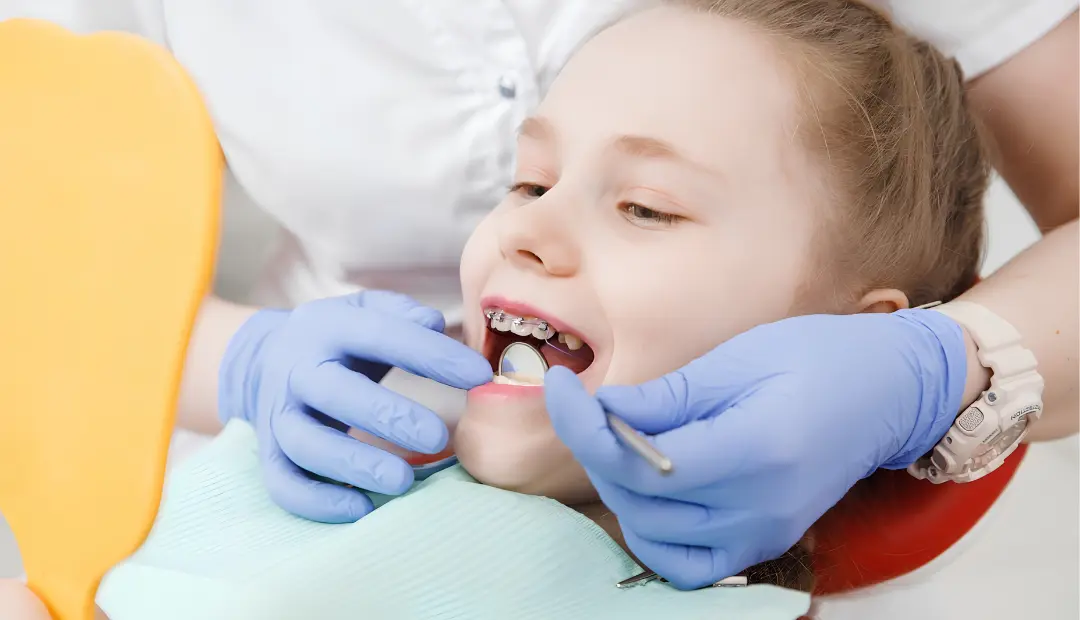
Braces in Palm Harbor usually treat six major bite problems. These include overbites, underbites, crossbites, open bites, deep bites, and crowded or gapped teeth. Each of them changes how the upper and lower teeth meet. If left alone, they can cause jaw strain, uneven wear, and difficulty chewing.
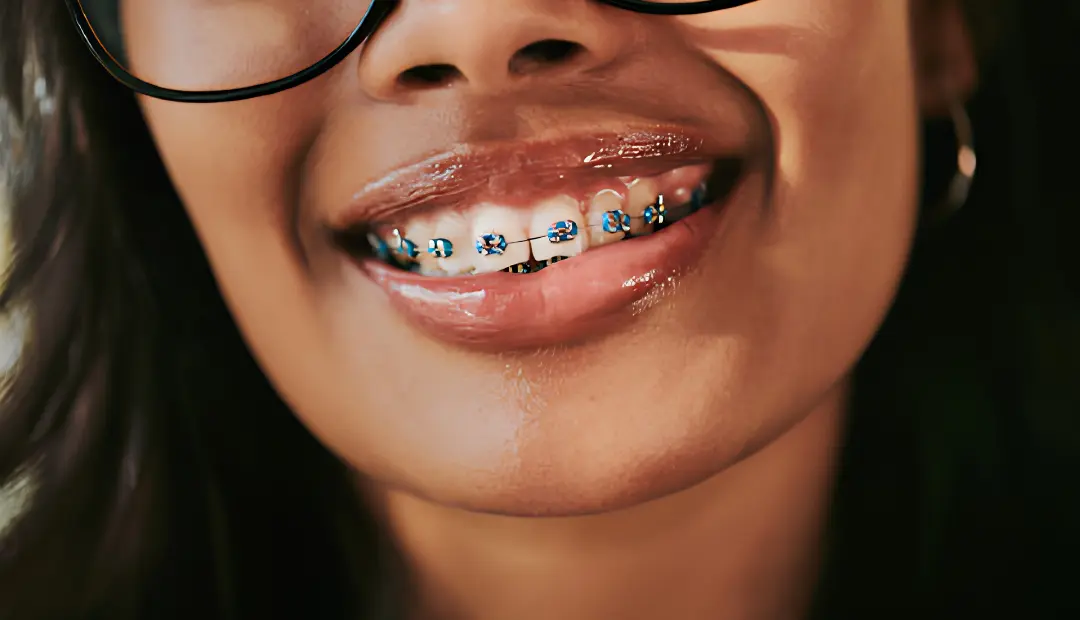
Braces fix these issues by applying steady pressure using brackets and archwires. They slowly move the teeth, and even the jaw itself, into better alignment. This article explains the most common bite problems, how braces treat them, and what to expect from treatment in Palm Harbor.
What Is a Bite Problem?
A bite problem happens when the upper and lower teeth do not align properly when the jaw closes. This can mean that the teeth sit too far forward, too far back, or are just crowded together. Dentists call this misalignment a malocclusion. Most bite problems develop slowly, depending on genetics, childhood habits, or how permanent teeth come in.
How a Healthy Bite Works
In a healthy bite, the upper front teeth overlap slightly with the lower front teeth. When the jaw closes, the back molars meet evenly, spreading chewing force over all your teeth rather than just a few.
Common Causes and Why Bite Alignment Matters
Genetics has an important role in bite problems, because jaw and tooth size are mostly inherited. Childhood habits like thumb-sucking or tongue-thrusting can also affect how teeth and jaws develop. If left untreated, a misaligned bite can wear down enamel unevenly and strain the jaw joints.
According to the American Association of Orthodontists, more than half of all people have a malocclusion significant enough to benefit from orthodontic care. This shows how common biting problems really are.
Types of Bite Problems Braces Can Treat
Braces treat many distinct bite problems, and each requires a slightly different method. The most common types noticed in Palm Harbor patients are overbites, underbites, crossbites, open bites, deep bites, and crowded or gapped teeth. Braces treat these issues by shifting individual teeth, the bite relationship between the jaws, or both.
1: Overbite and Deep Bite
An overbite happens when the upper and lower front teeth overlap more than they should. A deep bite is a more serious type of the same problem. If not treated, a severe overbite can cause the lower teeth to bite into the roof of the mouth. This might wear down the enamel and irritate the soft tissues.
2: Underbite
The opposite problem is an underbite, which happens when the lower jaw and front teeth sit in front of the upper teeth. This misalignment can strain the jaw joint and reduce chewing efficiency. If not corrected, it may also affect facial symmetry.
3: Crossbite
A crossbite occurs when one or more upper teeth sit inside the lower teeth. It may affect either the front or the back teeth. It usually forces the jaw to move to one side when left alone. This can cause uneven jaw growth in children and extra tooth wear.
4: Open Bite
When upper and lower front teeth don’t touch, it’s an open bite. This occurs even when the back molars are completely closed. It is usually linked with childhood habits like thumb-sucking. It can make biting into food and saying some sounds harder.
5: Crowded Teeth and Gapped Teeth
When there isn’t enough space in the jaw for every tooth to come in straight, teeth can become crowded. This can make brushing and flossing more difficult. On the other hand, Gapped teeth have visible spaces caused by small teeth, missing teeth, or extra space in the jaw.
Here is how these bite problems compare:
| Bite problem | What it means | Common orthodontic approach |
|---|---|---|
| Overbite / deep bite | Upper front teeth overlap lower teeth too much | Braces, elastics, bite-opening mechanics |
| Underbite | Lower teeth sit ahead of upper teeth | Braces, elastics; severe skeletal cases may need surgery |
| Crossbite | Upper teeth bite inside lower teeth | Braces, expansion when appropriate |
| Open bite | Some upper and lower teeth do not meet | Braces, elastics, habit-related treatment |
| Crowding | Not enough space for teeth to align | Braces and space-management mechanics |
| Spacing | Noticeable gaps between teeth | Braces to bring teeth together |
How Braces Correct Bite Problems
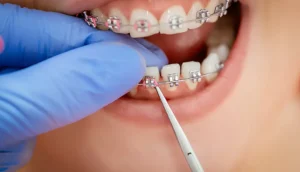
Braces fix bite problems by applying consistent, controlled pressure that gradually shifts teeth. Sometimes, it also guides jaw growth into a healthier position. Metal brackets attached to each tooth link to an archwire that guides the teeth where they need to go. Your orthodontist may also use rubber bands or expanders, depending on the issue.
Brackets, Archwires, and Gradual Tooth Movement
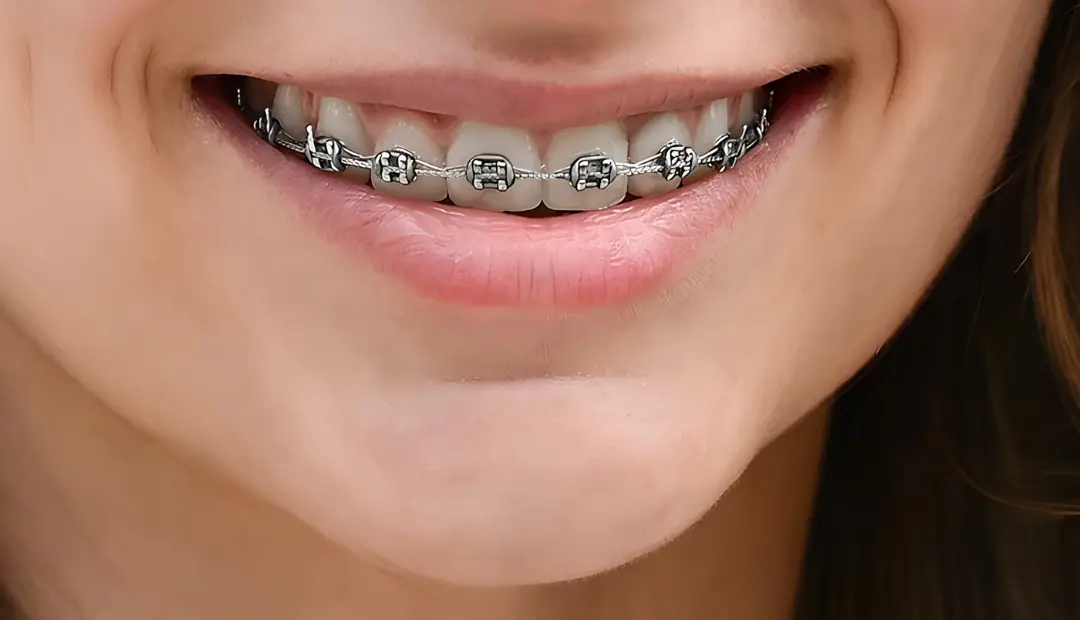
Brackets are little attachments bonded to every tooth. The archwire threaded through them provides a constant, mild force that is adjusted over time. Teeth move slowly in small increments because the bone and ligaments around each tooth require time to reshape safely. However, moving them too quickly can harm the roots and supporting bone.
Jaw Development and Regular Adjustments
As the jaw continues to develop in children and younger teens, it’s easier to guide its shape with expanders or other tools. That is why early evaluations matter. During a regular adjustment visit, your orthodontist might tighten or replace the archwire. This maintains consistent pressure on teeth that still need to shift, but missed visits can slow treatment.
How Long Does It Take to Correct a Bite Problem With Braces?
The time needed to correct a bite problem varies based on the type and severity of the problem, how much tooth movement is needed, and whether additional appliances are required. Crowding, spacing, and mild bite problems may require less treatment than more complex bite or jaw-related concerns.
Your orthodontist can estimate your treatment timeline after examining your teeth and bite. Following appointment schedules and orthodontic instructions can also help keep treatment progressing as planned.
How Much Does Bite Correction with Braces Cost in Palm Harbor?
The cost of bite correction with braces in Palm Harbor varies by patient. It depends on the type of biting problem, the braces you choose, and the duration of treatment. Simple cases with only minor changes are usually less expensive than complex cases. This includes cases requiring jaw correction or extra appliances.
If you require extra tools like expanders, treatment length and the severity of your bite problem all affect the total cost. Metal braces are usually more affordable than ceramic braces. Many dental insurance plans give you a limited orthodontic benefit.
DKO Smiles Clinic also offers financing to help patients divide the cost of treatment into affordable monthly payments. A consultation with X-rays and a full exam is still the only reliable way to find your exact cost because biting issues vary greatly from person to person.
Signs You May Have a Bite Problem
Several common signs can indicate an untreated biting problem. Common warning signs include difficulty chewing specific foods, ongoing jaw pain or clicking, and speech issues such as a lisp. You should also let your dentist know about any uneven tooth wear or frequent cheek biting. None of these signs alone indicate a biting problem. However, together, they are a good reason to schedule an evaluation.
Why Early Orthodontic Evaluation Matters
An early orthodontic checkup matters because it identifies bite issues while they are easier to guide. This might happen during childhood, the teen years, or adulthood. When a child’s jaw is developing, an evaluation around age 7 can identify crossbites, jaw growth issues, and concerns that may affect jaw alignment with braces. This can help determine whether early monitoring or treatment may be appropriate.
After their permanent teeth have mostly come in, most teenagers are ready for full treatment. This makes it an ideal time for complete bite correction. Adults can still correct biting issues at any age. Treatment may take a little longer because the jaw has already finished growing, but age is never a reason to avoid treatment.
Choosing the Right Braces Option
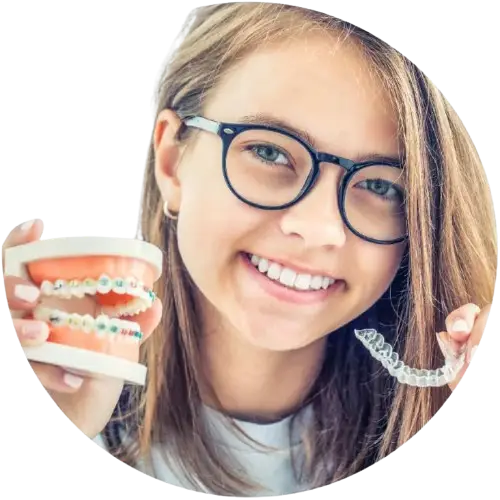
The most important factors when choosing between metal and ceramic braces are appearance, comfort, and price. Both metal and ceramic braces use the same basic bracket-and-archwire system.
- Metal braces are the most common and often the most affordable option. They are known for their durability and effectiveness, especially with complex bite problems.
- Ceramic braces have tooth-colored brackets that blend in nicely with your natural teeth. This makes them a popular choice for patients who prefer a less obvious option.
Which Option Is Best for Your Bite Problem?
The best solution depends on your type and severity, as well as your comfort and budget. This is why an orthodontist examines your case separately before suggesting a treatment plan. According to National Institutes of Health research, roughly one in three people with a biting problem has a Class II malocclusion. This occurs when the upper jaw sits more forward than the lower jaw.
Correcting a biting problem has benefits beyond a straighter smile. This includes better oral health, easier cleaning, improved confidence, better jaw function, and a reduced chance of future dental problems.
Why Palm Harbor Families Trust Professional Orthodontic Care
Families in Palm Harbor rely on professional orthodontic care because it combines customized treatment planning, modern technology, and an experienced team. They can manage anything from simple crowding to complex bite correction.
At DKO Smiles Clinic, treatment plans are tailored to each patient’s specific teeth, jaw, and goals because every bite issue is different. They use digital scans and images to precisely plan treatment and keep things on track from the first visit to the finish.
Frequently Asked Questions
What is the most common bite problem braces treat?
Crowding is one of the most common bite issues seen in Palm Harbor patients. Overbites and minor spacing issues are also common. Braces treat all of these issues by gently shifting teeth into proper positions.
How do I know if my bite problem needs braces or jaw surgery?
Braces alone work well for most biting problems, including overbites, underbites, and crossbites. Jaw surgery is often reserved for serious adult cases. This happens when the skeletal misalignment is too significant for braces to fix on their own.
Can adults still get braces to fix a bite problem?
Adults can treat bite problems at any age because good teeth and gums matter more than age. Treatment may take a little longer than it does for children or teenagers, but it is still effective.
How long does it take to correct a bite problem with braces?
The treatment time depends on the type and severity of the bite issue. This varies from less than a year for minor cases to two years or more for complex corrections. After your examination, your orthodontist will provide you with a personalized timeline.
What happens if a bite problem is left untreated?
An untreated bite problem can cause jaw strain and uneven tooth wear. It can also cause speech problems and raise the risk of cavities or gum disease over time. Early treatment typically makes correction easier and faster.
Does insurance cover braces for bite correction?
Many dental insurance plans provide a partial orthodontic benefit. This can help cover the cost of using braces to correct the bite. During your visit at DKO Smiles Clinic, we can also discuss payment options.
Final Thoughts
Bite problems can take many forms, including overbites and underbites, as well as crossbites, open bites, and simple crowding. Braces can fix almost all of them with the proper treatment plan. However, it is never too late to start. An early orthodontic evaluation can help identify bite problems while the teeth and jaws are developing and determine whether treatment or monitoring is appropriate. DKO Smiles Clinic works with Palm Harbor patients of all ages to find the real issue and develop a treatment plan around it.
If you believe you or your child may have a bite problem, contact DKO Smiles Clinic to book an appointment today.

Dietrich Kelso Team
Dietrich & Kelso Orthodontics provides advanced orthodontic care with Invisalign and ceramic braces to help patients achieve healthy, confident smiles. We specialize in modern teeth straightening solutions for kids, teens, and adults, with a focus on comfort, precision, and long-lasting results.
Book a Free Consult