Playing a musical instrument with braces is entirely possible. Most young musicians return to their regular sound within a few weeks of getting the new hardware in their mouth. Some instruments, especially brass and woodwinds, require more changes than others. Because they depend on direct lip and cheek contact with a mouthpiece or reed. The piano, percussion, and string instruments rarely skip a beat. Braces do not interfere with how they are played.
The amount of adjustment depends on the instrument, the type of braces, and how the musician plays. Your orthodontist and band director can help your child make practical adjustments if needed.
This article explains what parents should expect with each instrument. It also gives practical tips to help your young musician get through the first few weeks with braces.
How Braces Affect Different Instruments
Braces affect instruments differently depending on how much the mouth, lips, and cheeks contribute to producing sound. Brass and woodwind instruments require direct contact between the mouthpiece or reed and the lips. Because of this, braces tend to make the most obvious adjustment there. String instruments, piano, and percussion use the hands rather than the mouth. This means that braces have almost no effect on how they are played.
The first few practice sessions may feel different even when braces do not directly contact the instrument. Changes in lip position, airflow, or pressure can temporarily affect comfort and sound. Most players can gradually adjust through regular practice.
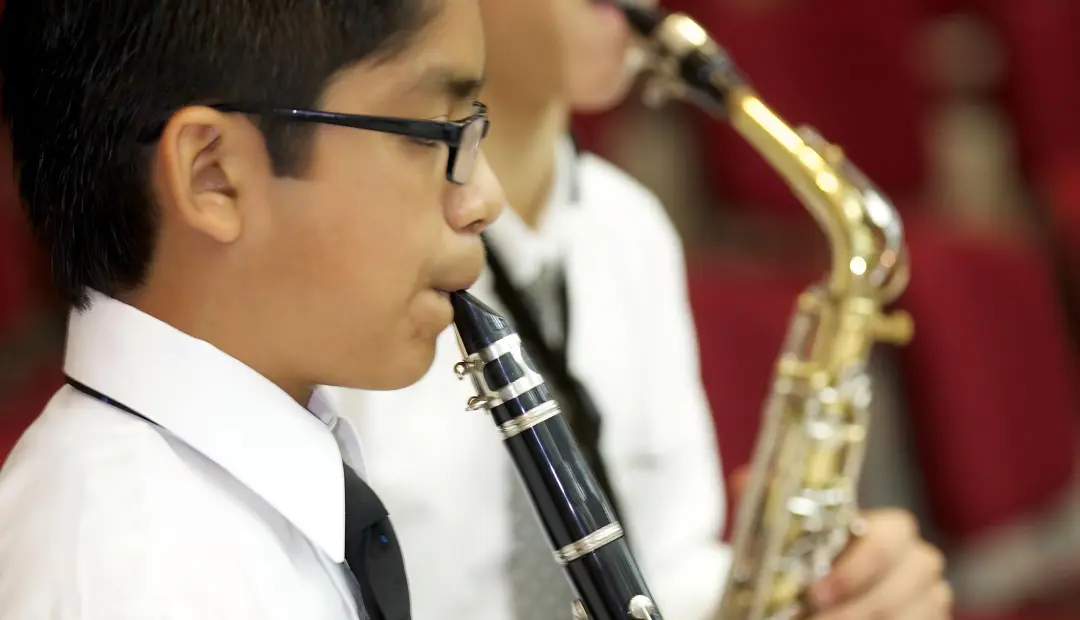
Woodwinds (Clarinet, Saxophone, Oboe)
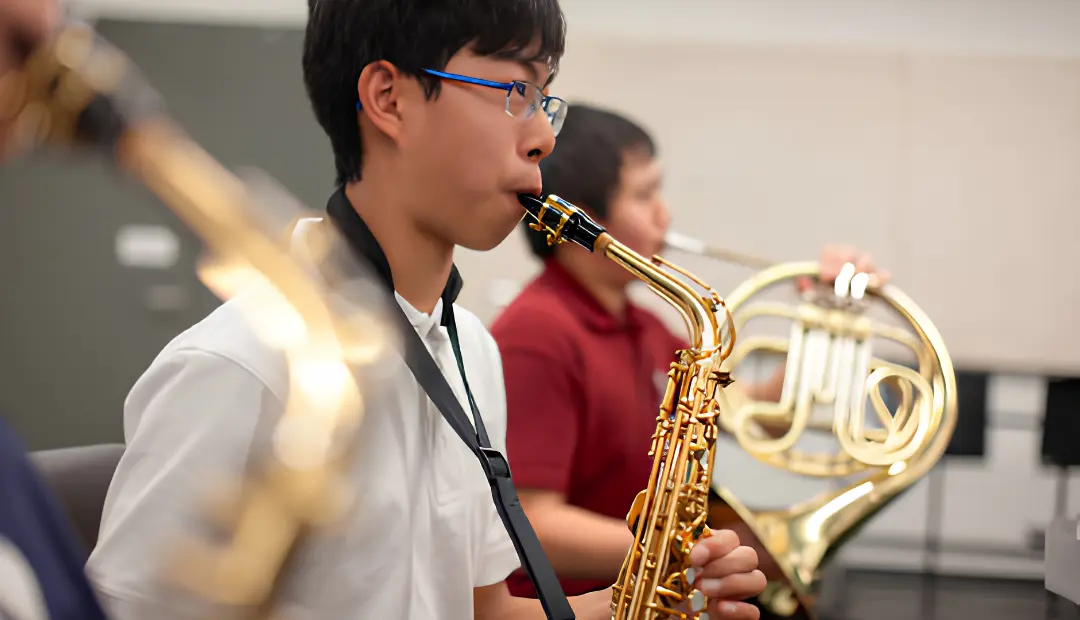
Woodwind players usually experience the biggest change at first. The reed presses directly against the lower lip and teeth. The inside of the lip may feel tender for the first week or two before it toughens up around the new brackets.
Brass (Trumpet, Trombone, French Horn)
Brass players use a tight, controlled embouchure. So, braces may change how the mouthpiece feels against the lips and teeth at first. Most students notice their tone comes back after they relearn how much pressure to use.
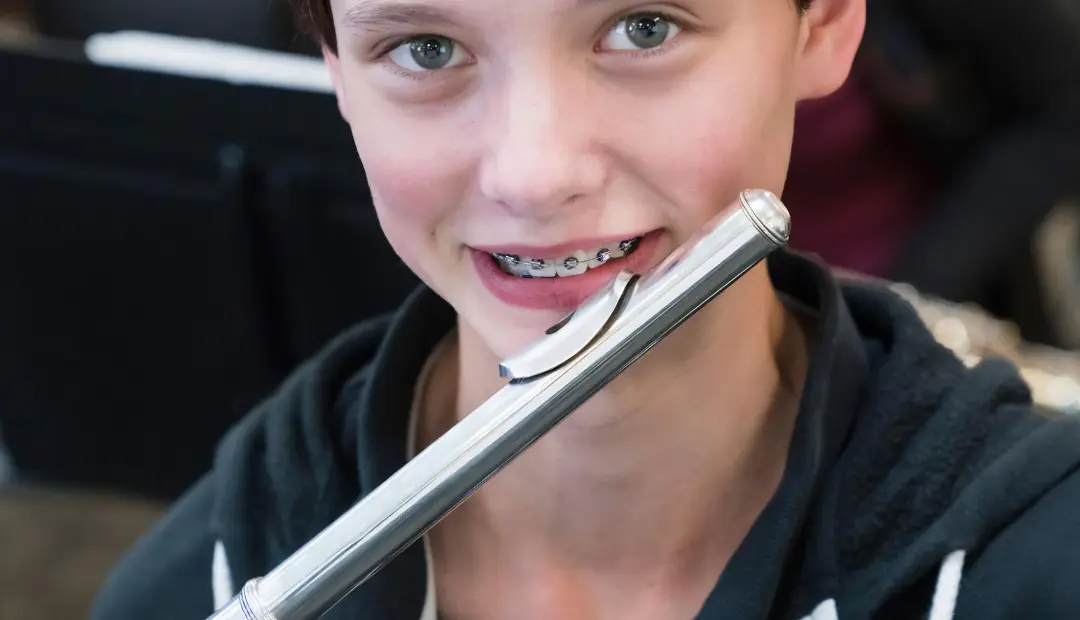
Flute
Like brass and reed players, flute players do not have a mouthpiece pressing against their teeth. However, a small change in lip shape from braces can still shift embouchure placement a little. A few extra days of practice usually restores the airflow and pitch to normal.
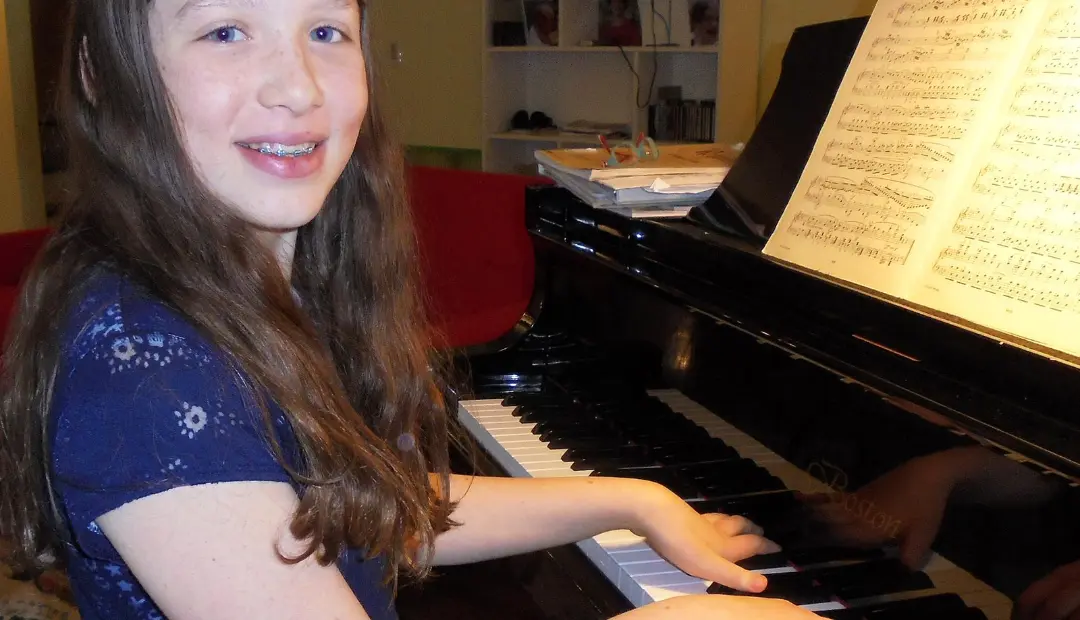
Strings, Piano, and Percussion
Musicians who play string, piano, or percussion instruments usually see little to no difference after getting braces. This is because these instruments do not require lip or mouth placement. Students can usually keep practicing and performing without much interruption.
Here is how different instrument groups compare:
Instrument Group | Typical Adjustment Level | What Helps Most |
| Brass (trumpet, trombone, French horn) | High – mouthpiece presses directly on lips and teeth | Orthodontic wax, lip guards, shorter practice sessions |
| Woodwinds (clarinet, saxophone, oboe) | Moderate – reed rests against the lower lip and teeth | Orthodontic wax on lower brackets, saltwater rinses |
| Flute | Mild – no mouthpiece touches the teeth directly | A few days of embouchure practice |
| Strings, piano, percussion | Minimal to none – hands do the work, not the mouth | No special accommodations usually needed |
The Adjustment Period: What to Expect the First 2 Weeks
Usually, the first two weeks after getting braces cause some lip and cheek soreness. It is especially common for woodwind and brass players adjusting to the new brackets. This discomfort is temporary and natural, and it is not a sign that anything is wrong.
The inside of the lips and cheeks often form little calluses as the days pass. This protects them against the brackets and makes playing more comfortable. Also, the tone or pitch may sound different for a little while. However, this usually evens out when your child adjusts their embouchure to the new setup.
6 Tips to Make Playing With Braces Easier
A few simple habits can help young musicians adjust to braces more easily. Orthodontic wax, shorter practice sessions, and a little patience will help keep your child’s playing on track while their mouth adjusts.
Tip 1: Orthodontic Wax on Brackets That Touch the Mouthpiece
A small dab of orthodontic wax on the brackets that touch the mouthpiece or reed can help smooth out rough edges and prevent irritation. Most students find that this one easy step makes the biggest difference early on.
Tip 2: Extra Short Practice Sessions Instead of One Long One
Breaking your practice into many short sessions rather than one long block gives sore areas time to rest in between. This also helps your child gently rebuild their embouchure instead of pushing through pain.
Tip 3: Lip Guards and Mouthpiece Cushions for Brass Players
Lip guards and mouthpiece cushions create a gentle barrier between the braces and the mouthpiece. This can make brass instruments much more comfortable to play. Many band and music stores carry these affordable accessories.
Tip 4: Saltwater Rinses for Sore Spots
A warm saltwater rinse a few times a day might help calm sore areas on the inside of the cheeks and lips as they toughen up. It is a simple, affordable way to speed up healing in between practice sessions.
Tip 5: Talk to Your Band Director About a Temporary Embouchure Adjustment
Band directors have often worked with many students getting braces. So it is worth asking about small, temporary changes to embouchure or technique. A quick conversation can save weeks of frustration.
Tip 6: Schedule Braces Placement Around Audition or Concert Season if Possible
When it fits the treatment plan, schedule braces placement a few weeks before a school break instead of shortly before auditions or concerts. This gives your child time to adjust without extra pressure. Your orthodontist can usually work around your family’s schedule.
If your child has an important concert or audition coming up, give them time to practice with their braces before the event rather than making their first practice session the day of the performance.
Does Invisalign Make This Easier for Musicians?
Invisalign can make things much easier for musicians. This is mostly because you can remove clear aligners before practice sessions and performances. That means no brackets or wires will press against your lips or cheeks while you play. It is especially useful for brass and woodwind players.
According to Invisalign, you should remove aligners while eating. Many patients take them off temporarily for activities such as playing an instrument, as long as they go back to wearing them for the recommended 20 to 22 hours a day. You can also check with your orthodontist about how removing aligners for practice may affect your child’s specific treatment plan.
Frequently Asked Questions
Will braces ruin my embouchure permanently?
Braces will not permanently harm your embouchure. Most musicians make the necessary adjustments within a few weeks. Once their mouth gets used to the brackets, they return to their normal tone and style.
Should I wait to get braces until after band season?
Waiting is not always necessary. However, planning treatment during a lighter part of the band’s schedule, instead of before a big audition or show, can make the adjustment easier. Your orthodontist can help you arrange around your child’s schedule.
Can Invisalign be removed for concerts?
You can remove Invisalign aligners temporarily, like during a performance. As long as they can put them back in afterward to complete the recommended wear time. This flexibility is one reason why some musician families prefer clear aligners over traditional braces.
Which instrument is hardest to play with braces?
Brass instruments, such as the trumpet and trombone, tend to be hard to adjust. They use a tight embouchure directly against the lips and teeth. Woodwinds with a reed, like the clarinet and saxophone, come in close second.
Do I need a special mouthguard for band practice?
When you’re playing an instrument, it’s not important to use a specific mouthguard. However, lip guards or mouthpiece cushions can help brass and woodwind playing be more comfortable during the adjustment period. Most students can use orthodontic wax without needing extra gear.
Can I play my instrument right after getting braces?
You can usually continue playing after getting braces, but the first few practice sessions may feel uncomfortable. Starting with shorter sessions and gradually returning to your normal practice routine can give your lips and cheeks time to adjust. If playing causes significant pain, ask your orthodontist for guidance.
Final Thoughts
At first, playing an instrument with braces requires some patience. However, it rarely keeps young musicians sidelined for long. Brass and woodwind players usually experience the most adjustment. String, piano, and percussion players, however, find little difference. Simple efforts such as orthodontic wax, shorter practice sessions, and careful timing around the school calendar can make the first few weeks much easier.
DKO Smiles Clinic helps families in Palm Harbor tailor their treatment plans to their kids’ priorities, including band season. If your young musician is about to get braces, contact DKO Smiles Clinic now to book an appointment.

Dietrich Kelso Team
Dietrich & Kelso Orthodontics provides advanced orthodontic care with Invisalign and ceramic braces to help patients achieve healthy, confident smiles. We specialize in modern teeth straightening solutions for kids, teens, and adults, with a focus on comfort, precision, and long-lasting results.
Book a Free Consult