Braces can affect your speech for a short while. This is mainly because they change how some sounds come out until your tongue and lips learn to work around the new hardware. The sounds S,’ ‘Z,’ ‘T,’ ‘D, and Sh are usually the trickiest at first. Because they rely on your tongue touching your teeth in a specific way.

But don’t worry, because almost everyone experiences a short adjustment period. It doesn’t mean that something is wrong with your treatment. This article explains how braces change your speech. It also explains how different types, such as Invisalign and lingual braces, differ and what you can do to sound like yourself again more quickly.
Will Braces Give You a Lisp?
For some people, braces can cause a temporary lisp. That is because the brackets and wires change how your tongue meets your teeth when you talk. This is not an indefinite, permanent impediment. It is a temporary side effect that shows up right after braces are put on or adjusted. Most people feel that it fades on its own after a few weeks as their tongue learns the new layout of their mouth.
Why Braces Temporarily Change How You Talk
Braces change how you talk because they change two things your mouth relies on for clear speech. These include tongue placement and saliva flow.
Your tongue naturally taps the back of your teeth to make sounds like ‘T’ and ‘D,’ and brackets or wires in that exact area can throw off the timing. On top of that, your mouth may first treat the new hardware as food. This produces extra saliva until it learns there is nothing to swallow. It can make speech become slippery or slurred for a few days.
According to the American Association of Orthodontists, braces can cause some initial pronunciation difficulties as the mouth adapts. Research shows that around 56% of patients feel a change in their speech when they first begin treatment.
Braces vs Invisalign vs Lingual Braces: Which Affects Speech Most?
From the three options, lingual braces tend to affect speech the most. Because they sit directly behind the teeth, where your tongue naturally rests. Traditional metal or ceramic braces cause a noticeable but quick adjustment. Most patients say that Invisalign has the least effect on speech.
Traditional Metal or Ceramic Braces
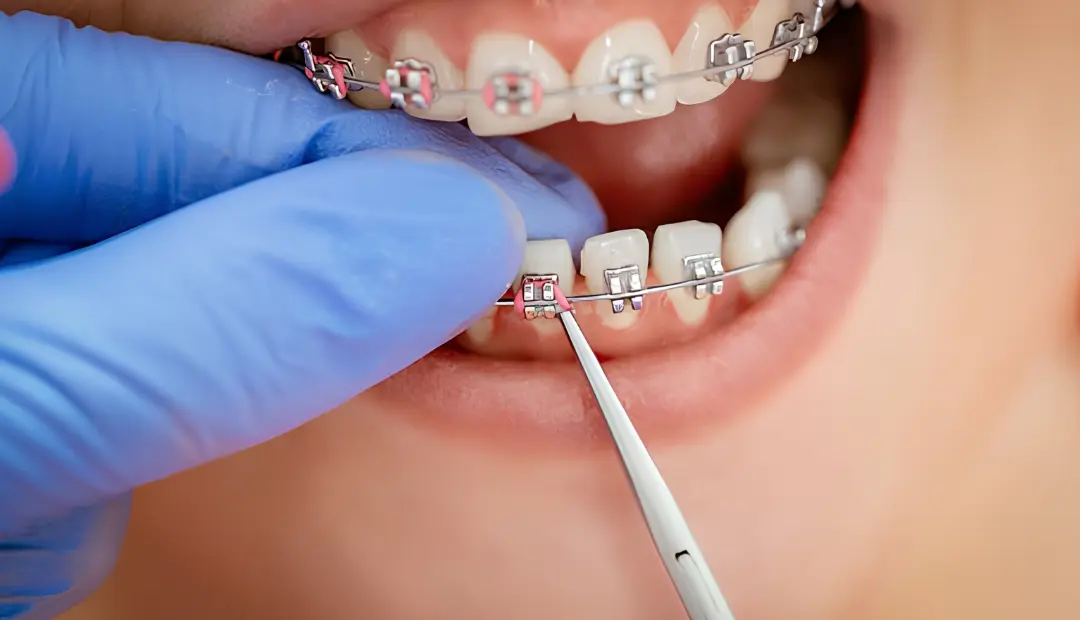
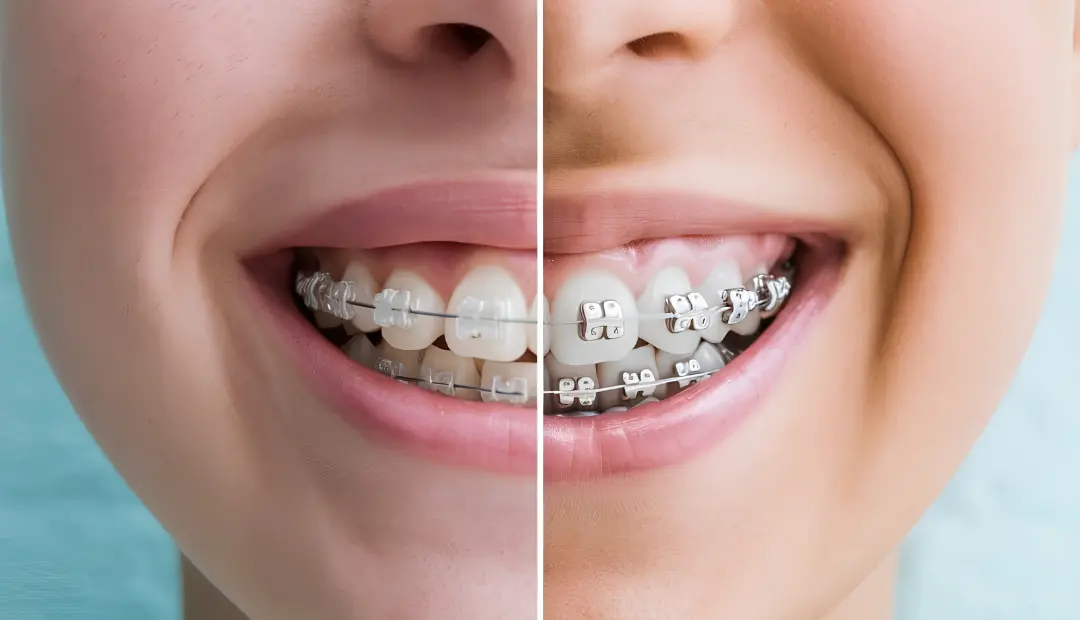
Traditional braces sit on the front of the teeth. This can interfere with tongue placement for sounds like ‘S’ and ‘Z.’ Most people get used to the brackets and wires in one to two weeks as their tongue learns to work around them.
Invisalign
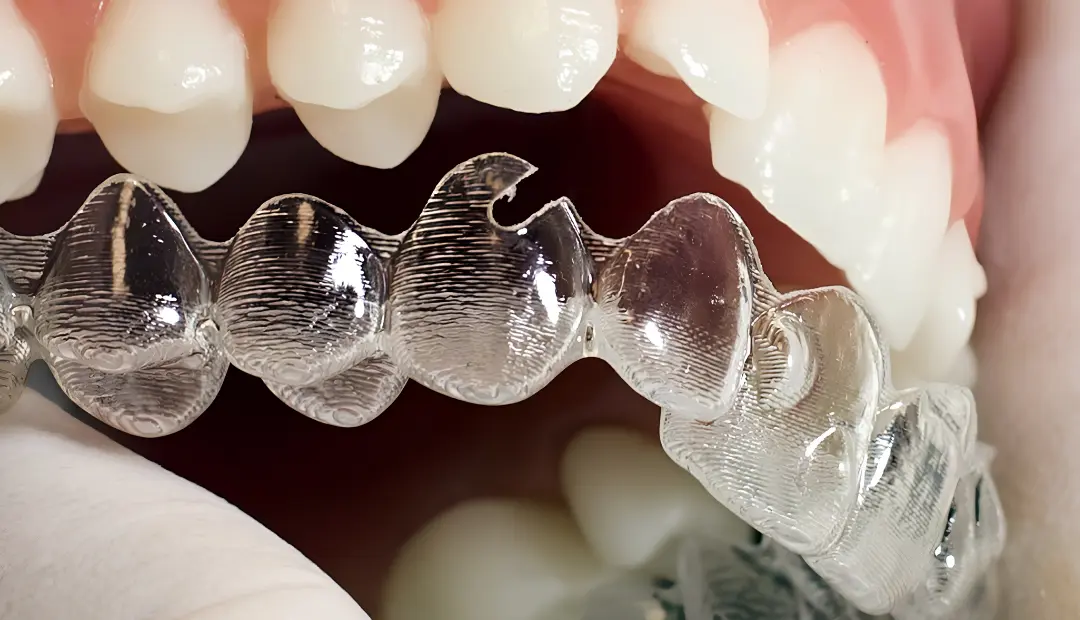
The Invisalign trays are thinner and smoother than traditional brackets. During the first few days of wearing a new tray, many patients experience only a mild lisp. Because the trays sit firmly against the teeth, the tongue typically adjusts faster than it does to brackets and wires.
Lingual Braces
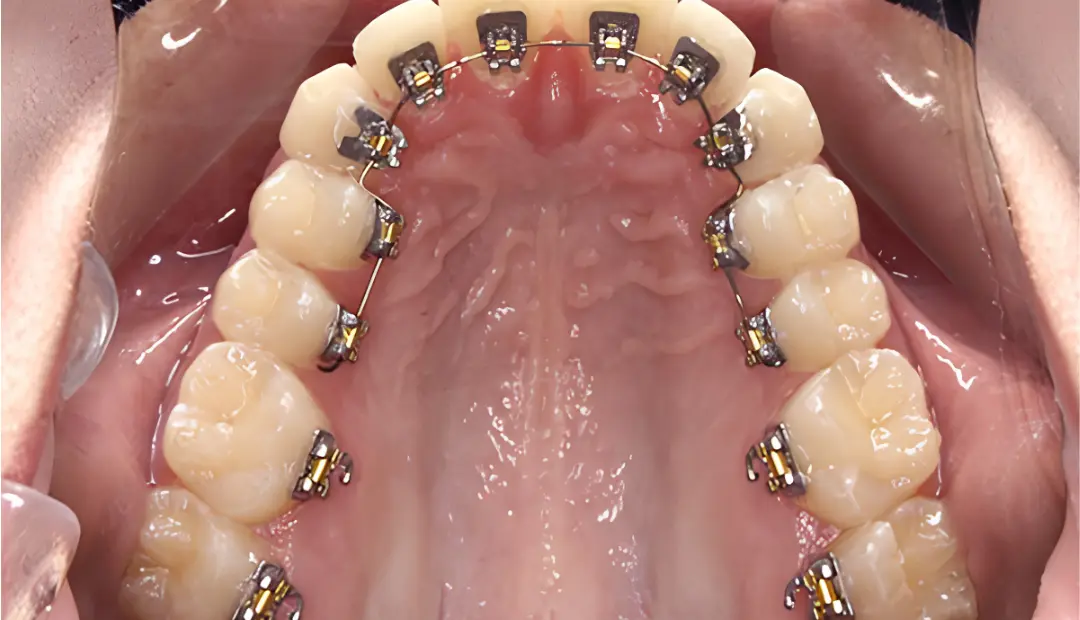
Lingual braces attach to the back of the teeth, just where the tongue usually rests. Because of this, they often cause the most visible speech changes at first. Adjustment can take a few weeks, usually two to three, as the tongue must remember its resting position
Comparison Table:
Appliance Type | Speech impact Level | Typical Adjustment Time |
| Traditional Metal or Ceramic Braces | Moderate – brackets sit on the front of the teeth | About 1 to 2 weeks |
| Invisalign | Mild – smooth trays fit snugly against the teeth | A few days per new tray |
| Lingual Braces | Highest – brackets sit behind the teeth, near the tongue | About 2 to 3 weeks |
Can Retainers Affect Your Speech?
Retainers can also cause a temporary change in speech, especially when you first start wearing them. Like braces and clear aligners, a retainer can change the space inside your mouth and affect how your tongue moves when you pronounce certain sounds.
Clear plastic retainers may cause a mild lisp at first, while removable retainers with thicker parts can also feel noticeable when speaking. Most people adjust as their tongue gets used to the appliance. Wearing the retainer as directed and speaking normally can help you become comfortable with it.
How Long Does the Adjustment Take?
Most speech changes from braces resolve in 3-14 days. This depends on the appliance type and how much your tongue needs to change. Simple cases are often resolved at the faster end of that range. Lingual braces or more complex treatment plans may take a little longer. People who read loudly, sing, or chat more than usual during the first week or two may notice that their speech normalizes faster than those who avoid talking.
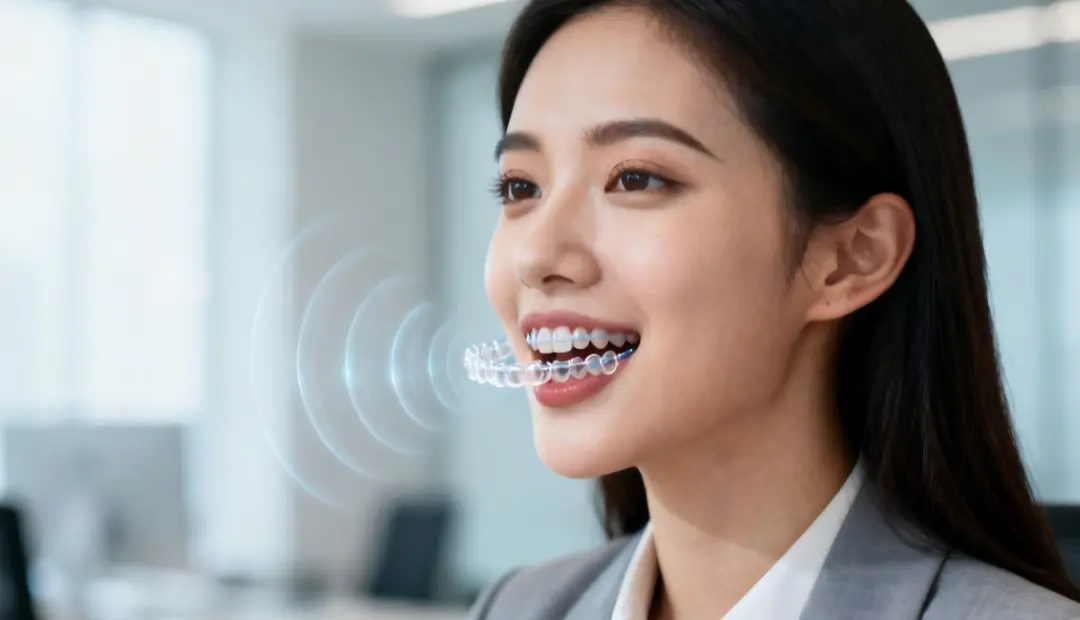
Speech changes can also happen briefly after an orthodontic adjustment. A newly tightened wire, changed bracket position, or new aligner can make your mouth feel slightly different again. This may cause a short return of the lisp or make certain sounds feel less natural. The effect usually improves as your tongue gets used to the change.
5 Ways to Speak More Clearly With Braces
A few simple habits can help speed up your adjustment period. They can also help your speech return to normal sooner. Practicing out loud, slowing down, and treating sore places all help to retrain your tongue faster.
- Reading or Singing: Reading a book aloud or singing along to songs gives repetitive practice with difficult sounds in a low-pressure environment.
- Speaking Clearly: Instead of rushing through sentences, speak slowly and clearly. This also helps your tongue find the right spot before moving on to the next word.
- Applying Orthodontic Wax: If a bracket or wire has a sharp edge that catches your tongue, a little dab of orthodontic wax will quickly smooth it down and make talking easier.
- Staying Hydrated: Staying hydrated also helps, because drinking water throughout the day helps manage the extra saliva your mouth produces at first.
- Having Patience: Finally, patience is as important as practice, so getting frustrated over a slip-up rarely helps. However, relaxing into casual conversation often speeds up the process.
When Speech Issues Mean You Should See a Specialist
If you have speech problems for more than two weeks or seem to be worsening rather than improving, consult your orthodontist. A wire poking your tongue or cheek, a bracket that feels unusually sharp, or a lisp that has not changed in a month are all valid reasons to arrange a visit. In rare cases, your orthodontist may suggest you work with a speech therapist alongside your treatment. Especially if you had a pronunciation problem or lisp before braces were ever placed.
Frequently Asked Questions
Is a lisp from braces permanent?
A lisp from braces is almost always temporary. Usually, it fades as your tongue adjusts to the new hardware. Most people find that their speech returns to normal after one to two weeks.
Do lingual braces affect speech more than regular braces?
Lingual braces usually cause a more noticeable change in speech than traditional braces. They sit behind the teeth, where the tongue normally rests. The adjustment period is also slightly longer, often two to three weeks.
Can Invisalign cause a lisp too?
Invisalign can create a mild, temporary lisp, especially after changing to a new tray. Most patients notice this fade within a few days as the tongue adjusts to the smooth plastic.
What sounds are hardest to say with braces?
Sounds like ‘S,’ ‘Z,’ ‘T,’ ‘D,’ and ‘Sh’ are the most difficult to say with braces. Because they all need perfect tongue-to-teeth contact. As your tongue adjusts to the new layout of your mouth, these sounds typically get easier.
Should I see a speech therapist because of my braces?
Most people never require a speech therapist for brace-related speech changes. The adjustment resolves itself within a few weeks. If your lisp or pronunciation problem remains for a long time, ask your orthodontist about seeing a speech therapist.
Final Thoughts
Braces usually change your speech slightly at first. However, for almost everyone, it is only a temporary bump on the way to a straighter smile. Lingual braces typically cause the most adjustment, traditional braces fall somewhere in the middle, and Invisalign usually has the least effect on speech. Practicing aloud, slowing down, and using orthodontic wax as needed can all help make the first few weeks go more smoothly.
DKO Smiles Clinic can help you decide which option best fits your lifestyle and how much of an adjustment your speech will require. If you are considering braces or have a stubborn speech change, contact DKO Smiles Clinic to book an appointment today.

Dietrich Kelso Team
Dietrich & Kelso Orthodontics provides advanced orthodontic care with Invisalign and ceramic braces to help patients achieve healthy, confident smiles. We specialize in modern teeth straightening solutions for kids, teens, and adults, with a focus on comfort, precision, and long-lasting results.
Book a Free Consult