
Skipping your retainer, even for a few days, can shift your teeth back to their original position. Orthodontists call it the relapse process. Your teeth don’t stay in their new position once you take off your braces. Bone and tissue need time and consistency to fully settle into a new position.
Without a retainer, bone and fiber can quickly shift the teeth back to their previous position. Sometimes, it takes a few days for teeth to shift into a different position than they did with braces. This guide will help you understand what realistically happens over time. You will also know the difference between fixed and removable retainers and what to do if you don’t wear your retainer for months.
The Short Answer: Your Teeth Will Shift Back (Relapse)
Your teeth will move back to their original position because the bone and ligament around your teeth haven’t fully shifted. Removing your retainer means your teeth have no support to stay in their new position. Without retainer support, your teeth can drift. Some relapse is usual even with good retainer habits. But if you make it a habit to skip your retainer, relapse happens faster. Even after a few days, you may notice significant shifting.
A Realistic Timeline of Retainer Neglect
A realistic timeline for retainer neglect starts showing shifting within the first week. However, within a month, you may notice visible movement. But the speed depends on your bite, how long you wore braces, and how recently your treatment ended.
After 1 Week
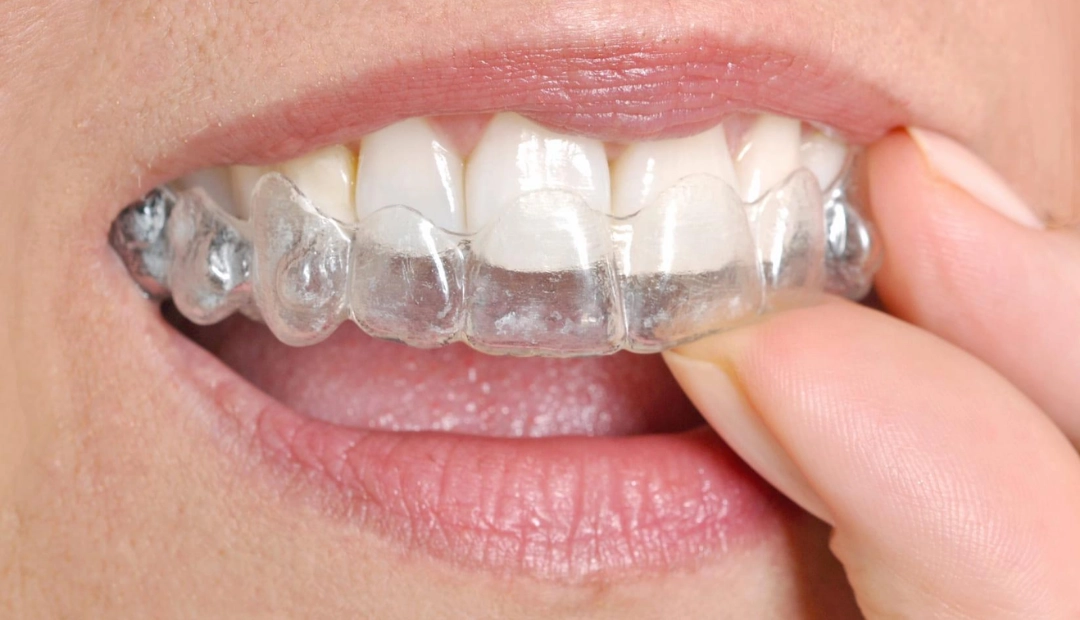
Within the first week of skipped wear, your retainer often feels tight when you put it back in. It is usually the earliest sign that your teeth have begun to move. The shift is usually minor at this point, but it is a clear signal to get back to consistent wear right away.
After 1 Month
If you don’t wear a retainer for a month, you can experience significant changes. Your tray may no longer fit over your teeth at all. Crowding or small gaps that your braces corrected can start to reappear, especially around the front teeth.
After 6 to 12 Months
After six months to a year without retainers, your teeth settle at a different position than the one your braces created. At this point,t your old retainer will not fit. To correct the shift,t you will need a new retainer or another round of orthodontic treatment.
Comparison Table:
Time Without Retainer | What Usually Happens | What to Do |
| 1 to 2 Days | You can expect a tight feel, but not a significant shift in your teeth. | Start wearing as soon as possible. |
| 1 to 2 Weeks | Noticeable shifting starts, and the retainer gets harder to seat. | Contact your dentist rather than forcing it in. |
| 1 Month | Your retainer won’t fit; you may experience crowding or gaps again. | Schedule a visit to discuss next steps. |
| 6 to 12 Months | Teeth may have settled into a new, shifted position. | You may need a new retainer or fresh dental treatment. |
Why Do Teeth “Remember” Their Old Position?
Teeth remember their original position because fibers and bone do not fully shift to a new position. So, when you remove the retainer, nothing stops the bone and fibers from forcing the teeth back to their original position. Teeth shift to the new position after orthodontic treatments. But the surrounding ligaments and tissue need some extra time to shift. This can take many months as the bone and fibers rebuild around the new position. Until that happens, if you remove the retainers, your teeth will shift back to their old position.
Fixed vs Removable Retainers: Does It Matter Which You Skipped?
Yes, it matters which type of retainer you skipped. Fixed or removable retainers fail in very different ways. A removable retainer left in its case does nothing. It allows your teeth to drift freely. However, a fixed retainer keeps working around the clock unless it becomes loose or breaks. So, if you skipped a removable retainer, you just need to start wearing it consistently. But a loose or broken fixed retainer needs repair or replacement.
“I Haven’t Worn Retainer in Months, Is It Too Late?”
You can experience enough shifting if you don’t wear your retainer for months. But that doesn’t mean you have no options. Your dentist can take new impressions and build new retainers that fit your smile. An orthodontist can also recommend a short round of treatment if the shifting is more noticeable. So, the sooner you visit the orthodontist, the less expensive the fix is.
How to Prevent Relapse Going Forward?
To prevent relapse, make it a long-term habit to wear your retainer. You can not stop wearing your retainer once your teeth look straight. Wear it exactly as your dentist recommends. In some cases, you may need to wear it nightly for years. It not only keeps your teeth straight but also keeps the surrounding bone and tissues stable. Regular checkups also help to catch small shifts before they become severe.
Cost of Fixing Relapse vs Cost of a New Retainer
Fixing relapse almost always costs more than simply replacing a retainer. Relapse can mean a new round of orthodontic treatment instead of a single appliance. A replacement retainer is a relatively small, one-time cost. But correcting significant shifting might involve braces or aligners worn for months. Staying consistent with a retainer you already have is a safe, affordable option in the long run.
Frequently Asked Questions
How fast can teeth shift without a retainer?
Some patients notice their retainer feels tight within just a few days of skipped wear. They can see a visible shift within one to two weeks. The exact timeline depends on how recently your braces came off and how much your teeth originally moved.
Can I force my old retainer back in if it doesn’t fit anymore?
Forcing a tight retainer back into place isn’t a good idea. It can crack the retainer or put uneven pressure on your teeth, which may hurt. It’s better to call your orthodontist and have them check it.
Do I have to wear a retainer forever?
Most orthodontists recommend wearing a retainer indefinitely. The schedule usually eases from full-time wear to just a few nights a week over time. Stopping completely, even years after treatment, can allow slow shifting to start again.
What if I lost my retainer months ago?
Losing a retainer for months does not mean you are stuck with whatever shifting has happened. An orthodontist can evaluate your current smile and make a new retainer. Sometimes your dentist can recommend next steps if your teeth have moved significantly.
Will I need braces again if I stopped wearing my retainer?
Whether you need braces again depends on how much shifting has happened and how long it’s been since you stopped wearing your retainer. Minor shifts might only need a new retainer. But more significant relapse could call for a short round of treatment.
Final Thoughts
Skipping your retainer, even for a short stretch, sets your teeth on a path back toward their original position. The path can move faster than most people expect. Catching the shift early can help a lot. Early signs include a retainer that feels tight or no longer fits.
Dietrich & Kelso Orthodontics Clinic can assess how much movement has occurred and help you get back to a retainer that fits. If it’sbeen a while since you have worn your retainer, reach out to Dietrich & Kelso Orthodontics Clinic for a better solution.

Dietrich & Kelso Orthodontics
Dietrich & Kelso Orthodontics provides advanced orthodontic care with Invisalign and ceramic braces to help patients achieve healthy, confident smiles. We specialize in modern teeth straightening solutions for kids, teens, and adults, with a focus on comfort, precision, and long-lasting results.
Book a Free Consult