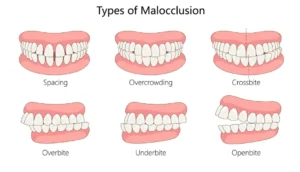
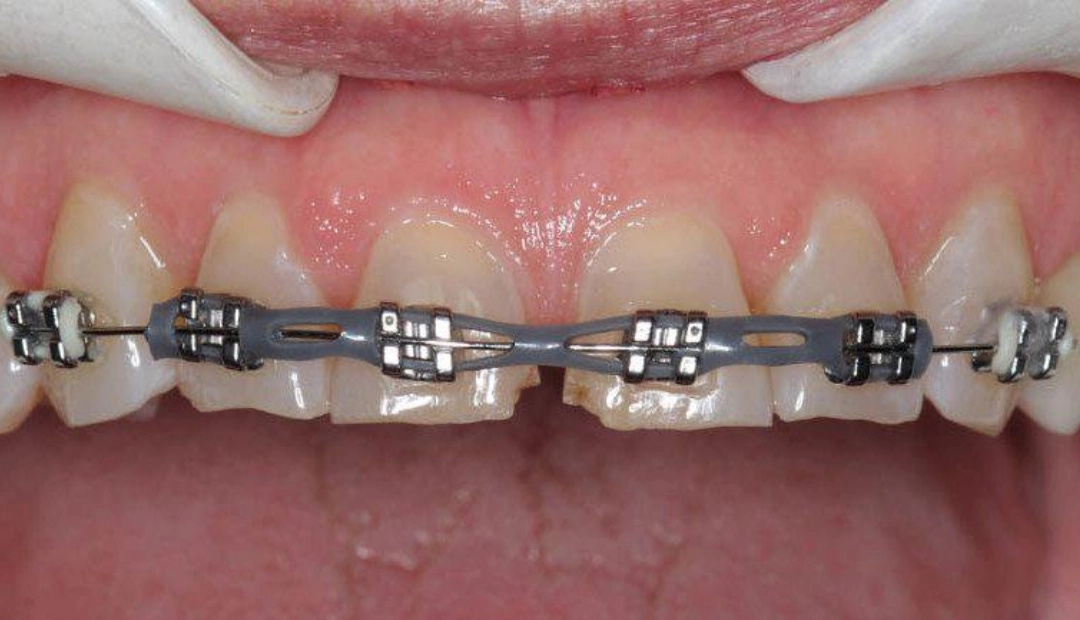
Braces can close a gap between your front teeth by applying steady, gentle pressure. They gradually move the teeth together. The bone around the roots rebuilds to hold them in place. This kind of gap, called a diastema, is one of the more predictable issues that orthodontists treat.
Most patients see real movement within the first couple of months. How long it takes and what treatment looks like depends on why the gap formed in the first place. That could be jaw size, a tissue issue, or a habit like tongue thrusting. In the guide below, DKO Smiles breaks down the causes, the treatment options, and what to expect once your braces come off.
What Is a Diastema and Why Does It Happen?
A diastema is simply the dental term for a noticeable space between two teeth. It usually happens between the two upper front teeth. But it can also happen for several other reasons. Only your dentist can determine the exact cause and plan your treatment. Here are some common causes of diastema.
Tooth-to-jaw size mismatch
If your teeth are smaller than the space available in your jaw, they create gaps between them. So, nothing fills the arch, and the gap remains visible. This is one of the most common causes and often runs in families.
Oversized labial frenum
In a labial frenum problem, a small piece of tissue improperly connects the upper lip to the gums. When it is thick or attaches too low, it can act like a wedge that pushes your two front teeth apart. Your dentist can recommend a frenectomy. It is a short procedure in which the dentist trims the tissue before or during treatment.
Missing or undersized teeth
Your gaps may be due to a missing tooth or a smaller-than-average one. Usually, it is the lateral incisors next to the front teeth. This leaves enough space for neighboring teeth to drift unevenly. In that case, you may notice a visible gap. It may need extra planning with braces, such as a restoration like bonding, to fix the problem properly.
Habits like thumb sucking or tongue thrusting
You can also expect the gap if you have habits like thumb sucking in childhood and ongoing tongue thrusting. In that case, the tongue pushes against the front teeth during swallowing. Both apply constant low-grade pressure that can force teeth apart over time. These habits do not just cause a gap. They can also make a diastema harder to keep closed once treatment ends.
Can Braces Actually Close the Gap?
Braces are a good option for closing gaps. With steady pressure from brackets and wires, they can fix the diastema. If the gap is serious, your doctor may pair an elastic power chain with your braces. It helps pull the two front teeth toward each other, nicolxj the gap.
As the teeth shift, the bone remodeling process slowly rebuilds around the roots. It helps the teeth settle into a new, closer position. It makes the closed gap stable rather than a temporary solution. Small gaps usually take six weeks to a few months to fix.
Braces vs Invisalign vs Bonding/Veneers for Gap Teeth
Braces and Invisalign both perform well for diastema problems. But bonding and veneers are different. They cover the gap instead of moving your tooth root.
Among all options, braces are considered the most reliable choice for severe gaps. Clear aligners can also do the job well, but only if you have moderate gaps. You can go with bonding or veneers if the gaps are small. But remember, they don’t correct the underlying tooth position. So the gap technically remains beneath the surface.
Option | Best For | Timeline |
| Braces | Larger or complex gaps | 2 to 24 months |
| Clear aligners | Mild to moderate gaps | 2 to 12 months |
| Bonding or veneers | Small, cosmetic-only gaps | 1 to 2 visits |
Will the Gap Come Back After Treatment?
A diastema can come back after treatment if you don’t wear your retainer consistently, since front teeth are especially prone to drifting back toward their original position. A bonded retainer, a thin wire fixed behind the front teeth, is often recommended. It’s especially useful for gap cases because it holds the space closed around the clock. Ongoing habits such as tongue thrusting or an unresolved labial frenum can also contribute to relapse if they are not addressed alongside orthodontic treatment.
How Long Does It Take to Close a Diastema With Braces?
It usually takes 2-6 months to close a mild gap of 1 to 2 millimeters. For moderate gaps of 2 to 4 millimeters, it can take 6-12 months. However, if your gaps are more than 4 millimeters, then the treatment timeline can be 12 to 24 months.
The American Association of Orthodontists recommends a first orthodontic evaluation by age seven to identify early causes. Finding it at an early stage can help you to fix the diastema problem easily.

When a Gap Might Need More Than Braces?
A gap might need more than braces when it is caused by a thick labial frenum, a missing tooth, or a habit like tongue thrusting that keeps pushing teeth apart even after treatment. In these cases, your orthodontist may combine braces with a frenectomy.
Coordinate with your dentist on bonding or a restoration for a missing tooth. Your dentist can refer you to a myofunctional therapist to help retrain tongue posture. Addressing the root cause alongside the orthodontic movement gives your results the best chance of staying put.
Frequently Asked Questions
What causes a gap between the two front teeth?
A gap between the front teeth can come from several reasons. It can happen because of a tooth-to-jaw size mismatch, an oversized labial frenum, or a missing or undersized tooth. Childhood habits including thumb sucking and tongue thrusting can cause a gap too.
Can braces alone close a front tooth gap?
Braces alone can close most front tooth gaps, especially when paired with a power chain. However, gaps caused by a labial frenum or a missing tooth may need an additional procedure alongside braces.
Will my gap come back after braces are removed?
Your gap can come back if you skip wearing your retainer, since front teeth tend to drift. A bonded retainer behind the front teeth is often used to keep the space closed long-term.
Does Invisalign provide the same results as braces for closing gaps?
Invisalign works well for mild to moderate gaps. But braces are generally considered more predictable for larger or more complex spacing cases.
Do I need a frenectomy to close my gap permanently?
Not always; it depends on the cause. A frenectomy is only needed when an oversized labial frenum is pushing the teeth apart. Even then, it is usually paired with orthodontic treatment and a retainer, not used on its own.
Final Thoughts
Braces can close a gap between your front teeth in most cases. Whatever its cause, it may be a size mismatch, a labial frenum, a missing tooth, or an ongoing habit like tongue thrusting. Small gaps often close within a few months, while larger gaps can take a year or more, and a retainer afterward is what keeps the results in place.
Dietrich & Kelso Orthodontics evaluates the exact cause of your diastema. Then they build a treatment plan for patients throughout Wesley Chapel, Tampa, Lakeland, Brandon, Dunedin, and South Tampa.

Dietrich & Kelso Orthodontics
Dietrich & Kelso Orthodontics provides advanced orthodontic care with Invisalign and ceramic braces to help patients achieve healthy, confident smiles. We specialize in modern teeth straightening solutions for kids, teens, and adults, with a focus on comfort, precision, and long-lasting results.
Book a Free Consult