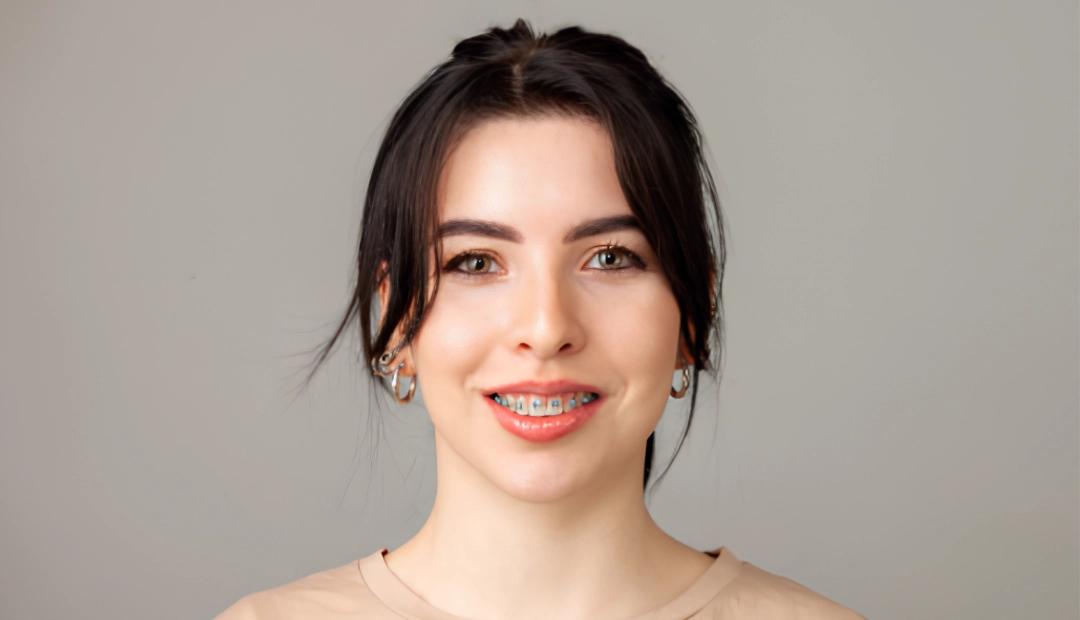
There is no age limit for getting braces. Healthy teeth can move at any age as long as your gums and jawbone are strong. Many adults ask this because they think braces are just for kids and teens. But orthodontists treat patients in their 60s and 70s all the time.
Age alone is not a matter of concern. The most important point here is the health of your gums and the bone that holds your teeth. Your orthodontist checks that completely before moving to a plan. Below, Dietrich & Kelso Orthodontics highlights why more adults are getting braces, what changes with age, and how to know if it is right for you.
The Short Answer: No, There’s No Upper Age Limit
There is no upper age limit for braces. Except age, the health of your gums, bone, and periodontal tissue all contribute to bone movement. Teeth sit in a ligament that responds to gentle pressure at any age, whether you are 12 or 62. Research from the American Association of Orthodontists shows that about 1 in 4 orthodontic patients today are adults. In other words, starting treatment right after your teens has become more common now.
Why More Adults (Even 50s, 60s+) Are Getting Braces
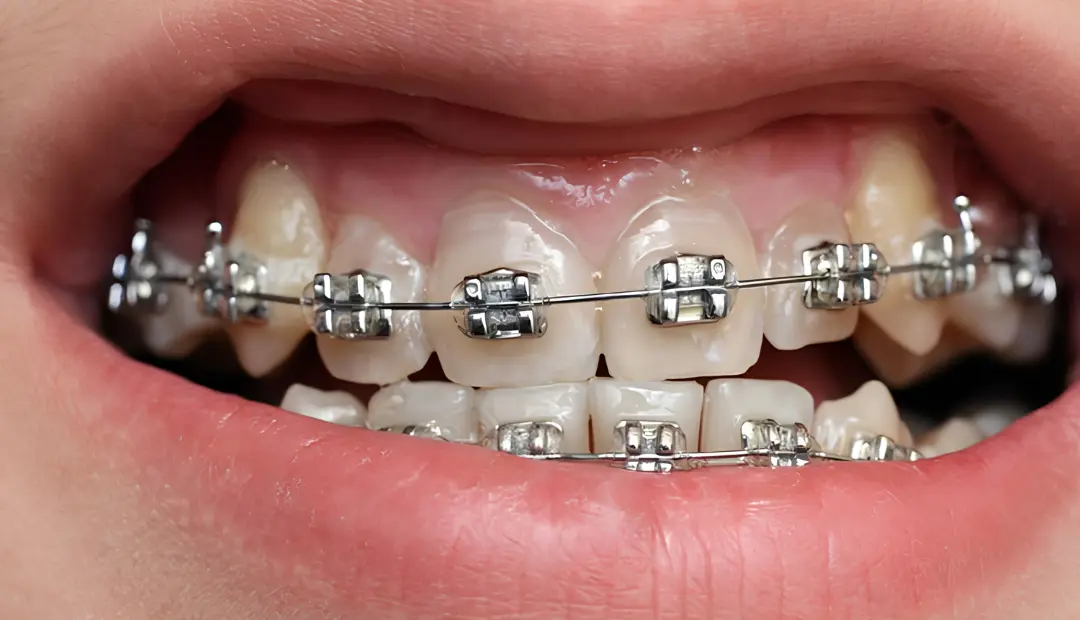
More adults are getting braces because straight teeth are easier to brush, easier to chew with, and don’t wear out unevenly. Many adults have lived with crooked teeth or bite issues for years, and new options make it easier to fix them without affecting work or social life. The AAO says about 1.9 million adults had braces in the U.S. in 2024, up from 1.6 million two years earlier. That shows it is a real trend, not just a fad.
Retirement, a new job, and having more time and money also help. Adults are often more likely to keep up with 18 months of visits than they were at 25. Some adults are also fixing teeth that shifted after braces in their teens, because teeth can shift back if you don’t wear a retainer.
What’s Different About Treatment for Older Adults
For older adults, the main difference is how it is planned. Your orthodontist will first check your gums, bone health, and any dental work you already have before deciding how to move your teeth. Braces and clear aligners still work the same, but the timing and care can differ slightly from teens.
Slower tooth movement in some cases
Teeth can move a bit slower in older adults because bone changes more slowly as you get older. So what took a teen 12 months might take a little longer in your 50s or 60s. That doesn’t mean you shouldn’t do it. Your orthodontist just plans for it from the start.
Gum health and bone density considerations
As an adult, your gums should be healthy, and your bone needs to be strong before you start braces or aligners. If you move teeth through gums that are weak or swollen, it can cause issues. So if you have had gum disease before, your orthodontist will usually team up with your dentist or periodontist to make your gums stable first. Then they will keep an eye on them during the whole treatment time.
Treating existing dental work alongside straightening
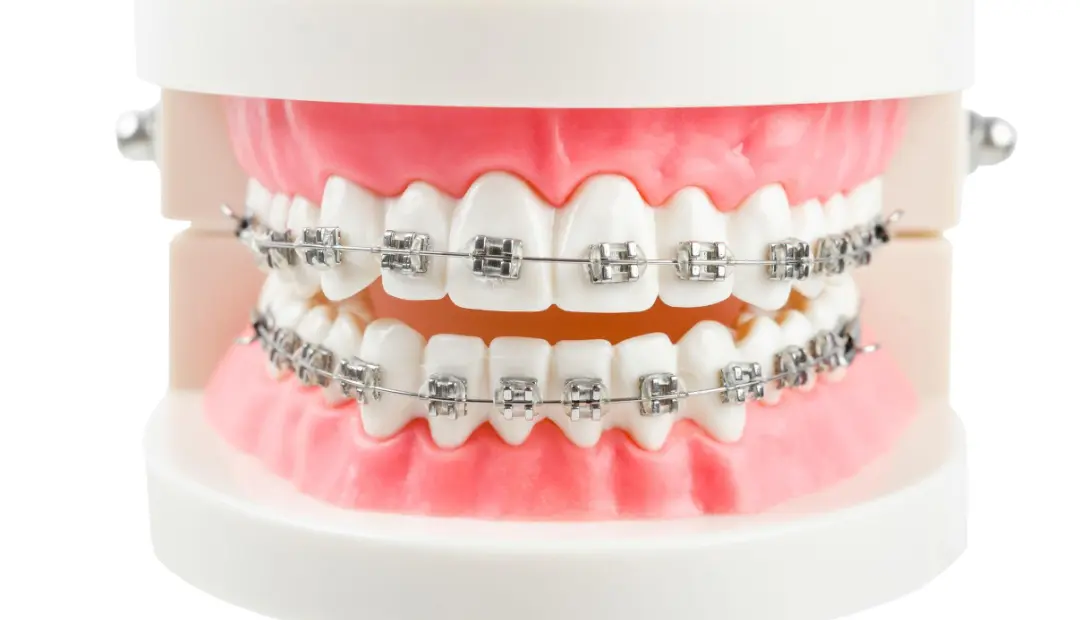
Most adults already have some dental work: a crown, a bridge, or a few fillings, maybe an implant. And yeah, that does affect things. For example, brackets don’t grip a crown the same way they do a natural tooth. And implants? They just do not move at all. But that doesn’t mean your treatment will not work for you. Your orthodontist will just work with what you have, instead of starting from scratch.
Braces vs Invisalign for Older Adults
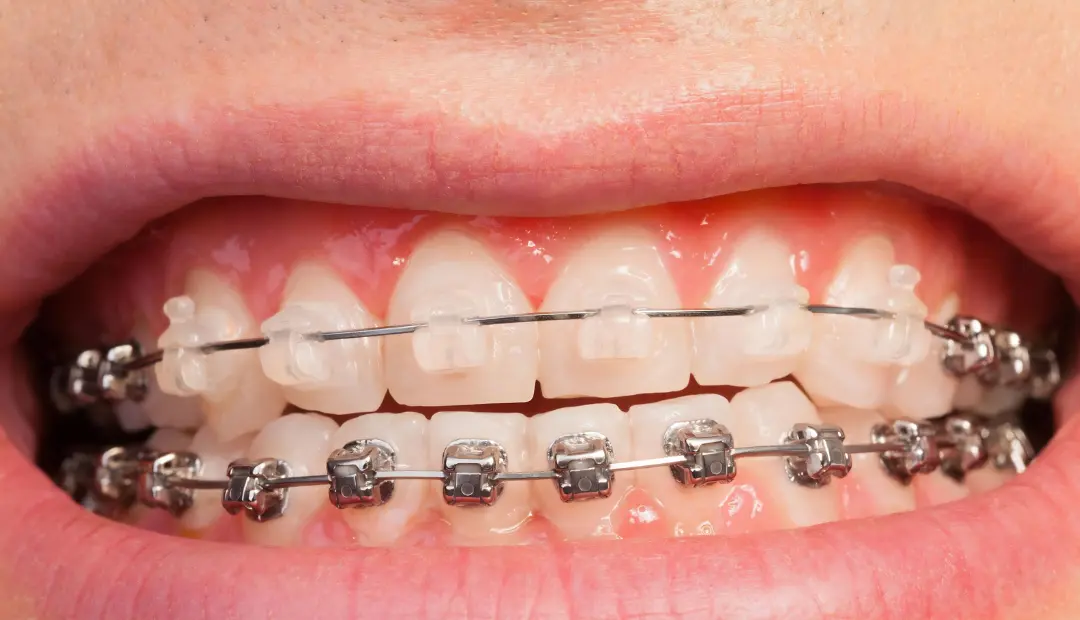
Both braces and Invisalign work well for adults. The best choice usually depends on how hidden you want treatment to be and how well you will wear removable aligners.
Traditional or Ceramic Braces | Clear Aligners (Invisalign) |
| Stays on 24/7, no discipline needed | Removable for eating and brushing |
| Handles complex bite issues well | Best for mild to moderate cases |
| More visible, though ceramic blends in | Nearly invisible in everyday wear |
| No compliance required from patient | Requires 20-22 hours of daily wear |
| Fixed cost regardless of habits | Can take longer if worn inconsistently |
Health Benefits of Straightening Teeth Later in Life
Straightening teeth later makes brushing and flossing way easier. Crowded or overlapping teeth trap plaque where a toothbrush cannot reach. When teeth are straight, you are less likely to get cavities and gum disease in hard-to-clean areas. A corrected bite can also reduce jaw pain, stop uneven tooth wear, and even help with chewing or speaking. Many people don’t realize braces are the fix until later.
Real Talk: Is It Worth It at 60+?
Getting braces at 60 or beyond is worth it for most people who are bothered by crowding, gaps, or bite issues and have healthy gums and bone perfect for treatment. Time will pass either way, and many patients say they wish they started sooner once they see how much easier cleaning is and how much better they feel when they smile. The key questions are: Are your gums healthy? Are you okay with the treatment time? Do the benefits matter enough to make it worth investing in?
Frequently Asked Questions
Is 60 too old to get braces?
No age is too old for braces as long as your gums and jawbone are healthy enough to support tooth movement. A lot of patients now start treatment well into their 60s and beyond.
Does treatment take longer for older adults?
Tooth movement is slower in older adults because bone remodels more slowly later in life, so treatment will take longer than it would for a teen with the same problem.
Can I get Invisalign if I have missing teeth or dental implants?
Often yes. But your orthodontist has to plan around implants since they do not move like real teeth, and missing teeth may need a different aligner or bridge plan.
Is orthodontic treatment covered by insurance for adults?
Some dental insurance plans do cover a part of orthodontic treatment for adults, but usually less than for kids. So, check your plan details before you start treatment.
Final Thoughts
There is no age limit for getting braces. The main factors are healthy gums, adequate bone density, and a treatment plan based on your existing dental work. Adults in their 40s, 50s, and 60s get traditional braces or clear aligners, and most wish they’d started sooner and see the astonishing results.
Dietrich & Kelso Orthodontics helps adults in Wesley Chapel, Tampa, Lakeland, Brandon, Dunedin, and South Tampa find a plan that fits your teeth, schedule, and budget. If it is too late to fix your smile, schedule a consultation with Dietrich & Kelso Orthodontics to find out whether it is right for you.

Dietrich & Kelso Orthodontics
Dietrich & Kelso Orthodontics provides advanced orthodontic care with Invisalign and ceramic braces to help patients achieve healthy, confident smiles. We specialize in modern teeth straightening solutions for kids, teens, and adults, with a focus on comfort, precision, and long-lasting results.
Book a Free Consult