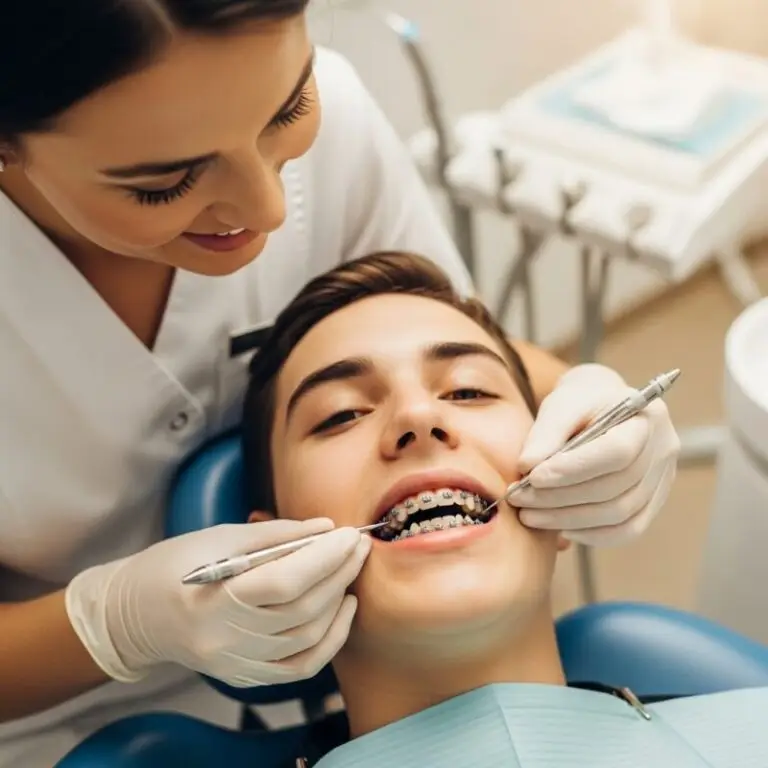
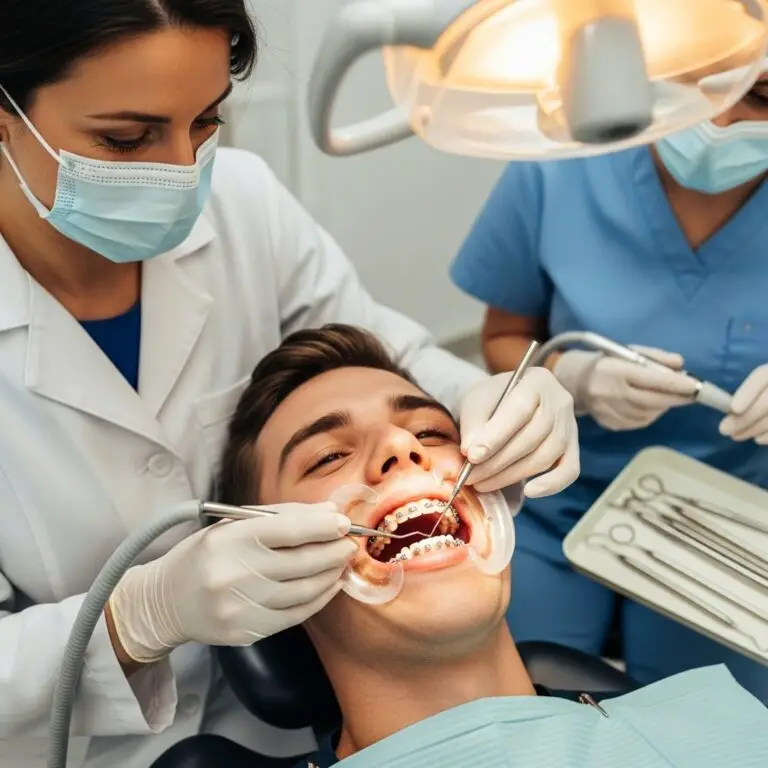
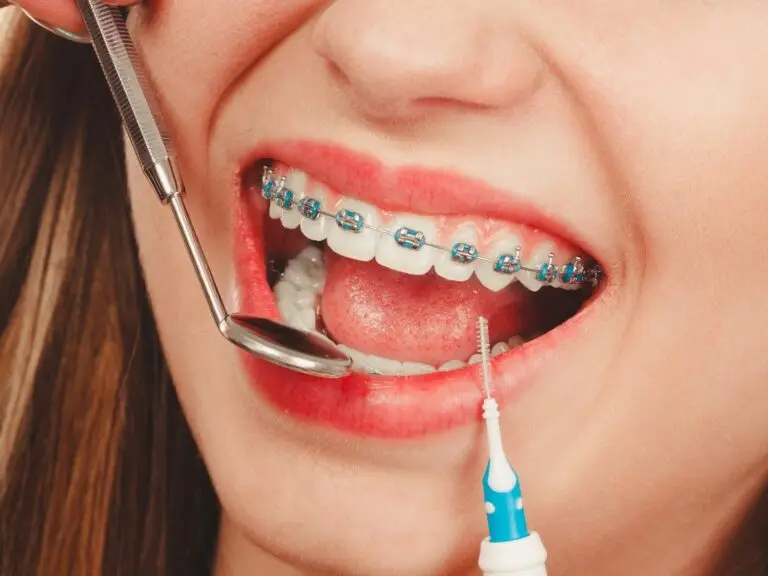
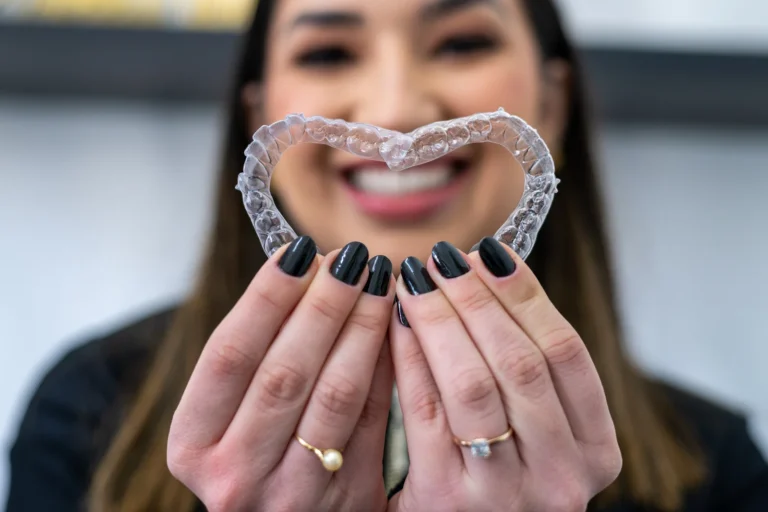
If you are taking orthodontic treatment, one question will definitely arise in your mind: How long does orthodontic treatment take? No matter whether you choose braces or Invisalign, the duration of treatment is a common concern. The answer is not the same for everyone, as it depends on various factors such as the severity of your dental issues, the type of treatment chosen, and your personal response to the treatment. In this article, I will discuss the orthodontic treatment timeline, from start to finish, so you can have a better idea of what to expect. After knowing the time frame for orthodontics, you will be prepared mentally and physically for the journey ahead. What Factors Influence the Duration of Orthodontic Treatment? The duration of orthodontic treatment is different for different patients. Several factors play a role in determining how long it will take to straighten your teeth. Let us highlight the major ones: 1st Factor: Severity of the Dental Issue The main factor in deciding how long you will need braces or Invisalign is the severity of your dental problems. If you have a simple misalignment or minor crowding, the treatment typically takes less time, usually around 12 to 18 months. But more complex cases, such as severe overcrowding, bite issues, or jaw problems, need a more extended period of up to 24 months or even more. 2nd Factor: Type of Treatment Another major factor that affects the duration of teeth straightening duration is the type of orthodontic treatment you choose. Braces and Invisalign are the two most common options, and each has its own timeline. Braces Timeline Guide: Traditional metal braces take more time to straighten teeth compared to Invisalign. On average, the average time for braces is anywhere between 18 to 24 months. The wires and brackets work by applying constant pressure to move your teeth into their proper positions. You can also use braces for more complex dental issues. Invisalign Treatment Time: Invisalign treatment time is generally shorter, with most patients completing their treatment in 12 to 18 months. However, this depends on the complexity of the case. Invisalign is typically used for mild to moderate dental issues. Its clear aligners are a popular choice if you seek a more discreet treatment option. Always remember to wear the aligners as instructed for the best results. 3rd Factor: Age and Growth Age matters a lot in the orthodontic treatment process. For children and teenagers whose bones are still growing, the alignment process is faster and easier. For adults, treatment requires more time because their bones have stopped growing. However, adults can still achieve excellent results with braces or Invisalign according to the instructions of the orthodontists. 4th Factor: Oral Hygiene and Compliance You must maintain good oral hygiene throughout your treatment. If you don’t keep your teeth and braces or aligners clean, various complications occur that may prolong the duration of orthodontic treatment. You should also focus on regular visits to your orthodontist and follow the treatment plan. For example, with Invisalign, you must wear the aligners for at least 20-22 hours per day to get the desired results on time. Braces Treatment Timeline Before you get the traditional braces, make sure to know all the general steps involved and what the orthodontic treatment timeline looks like. Step 1: Initial Consultation The first step in getting braces is to consult with your orthodontist. In this visit, the orthodontist asks about medical history, examines your teeth, takes X-rays, and discusses your treatment options. After it, they will make a treatment plan based on your dental needs. This phase takes about 1 to 2 hours. Step 2: Getting Braces Put On When you are completely ready to go with braces, your orthodontist will schedule another appointment to put the braces on your teeth. It also takes about 1 to 2 hours. This step may give you some discomfort afterwards as your teeth begin to adjust to the brackets and wires. Step 3: Regular Adjustments With the passage of time, you will visit your orthodontist every 4 to 6 weeks for regular adjustments. These visits involve tightening the wires and making any necessary changes to the brackets. Such visits last 20 to 30 minutes. Over time, you will notice your teeth gradually shifting into place. Step 4: Removal of Braces The last phase is when the orthodontist removes the braces. Being the completion of treatment, this is an exciting moment. Your braces will be removed in around 1 hour. After that, your orthodontist will fit you with a retainer so that your teeth don’t shift back to their original positions. Invisalign Treatment Timeline If you choose Invisalign, the treatment process is similar, but with some more visits to the orthodontist. The Invisalign treatment consists of the following steps: Step 1: Initial Consultation Like braces, the first step here is to visit your orthodontist to consult about every aspect. During this visit, the orthodontist will take 3D images of your teeth and create a custom treatment plan accordingly. This is typically a quicker process than that for braces. Step 2: Receiving Your Aligners When your aligners are ready, you will get them at a follow-up appointment. The orthodontist will also give you instructions on how to wear and care for your aligners. It usually requires a new set of aligners every 1 to 2 weeks, depending on the plan your orthodontist has designed for you. Step 3: Wearing Aligners In the complete treatment, you will wear your aligners for 20 to 22 hours a day. Your orthodontist will say to see you every 6 to 8 weeks so that they may check on your progress and give you your new aligners. The time of this phase changes based on how long your teeth need to move. Step 4: Getting Retainers This final phase is important. Once your treatment is complete, your orthodontist will give you a retainer to ensure that your teeth stay in their new positions and do not go
When Should My Child See an Orthodontist? A Parent’s Guide!
As a parent, you want the best for your child, including a confident, healthy smile. So, it’s completely normal to wonder, When Should My Child See an Orthodontist? A Parent’s Guide is here to help answer that important question. Many parents assume that braces come into play during the teenage years, but the truth is that early orthodontic care can make a significant difference. Knowing the best age for braces, spotting the signs your child needs braces, and understanding what happens during the first orthodontic check-up can help you make informed choices. In this guide, we’ll walk you through everything you need to know, from early evaluations to finding a pediatric orthodontist near you. Why Orthodontic Care Matters in Childhood? Orthodontic treatment isn’t just about appearances. It’s about helping your child speak clearly, chew properly, and grow with healthy teeth and jaws. When teeth or jaws don’t align well, it can lead to more than just a crooked smile. Over time, your child may struggle with biting, chewing, or experiencing difficulty breathing comfortably at night. That’s why understanding kids’ orthodontic treatment early on is so important. The sooner problems are spotted, the easier they are to correct. Early treatment can also prevent more serious issues in the future and potentially reduce the need for braces later. What Is the Best Age for Braces? Most children wear braces between the ages of 9 and 14 when their adult teeth have emerged, but their jaw is still developing. However, this doesn’t mean you should wait until then to see an orthodontist. According to the American Association of Orthodontists, children should have their first orthodontic check-up by the time they are 7 years old. At this age, a child still has some baby teeth, but enough adult teeth have appeared for an orthodontist to spot potential issues. That’s why age 7 is considered the sweet spot for an early orthodontic evaluation. This doesn’t always mean your child will need treatment right away. In many cases, orthodontists simply monitor growth and development, then recommend braces when the time is right. But catching problems early gives you and your child more options. What Happens During the First Orthodontic Check-Up? If you feel uncomfortable for your child’s first visit to the orthodontist, don’t worry, it will be quick and painless. During the first orthodontic check-up, the orthodontist will: First of all, the orthodontist will examine your child’s teeth, jaw, and bite. If needed, also take X-rays or digital scans of your child’s teeth. Probably, he will ask about your child’s habits, such as thumb sucking or mouth breathing. Share their findings and let you know if treatment is needed now or in the future. This first visit is more of an evaluation than a treatment session. It is a helpful starting point. Whether your child needs braces now or later, you’ll leave with a clear plan. Signs Your Child Needs Braces As a parent, you might be able to spot early warning signs at home even before the orthodontist does. Here are some common clues: Crowded or crooked teeth Gaps between teeth Teeth that stick out or bite down too far Jaws that make clicking sounds Trouble chewing or biting food Breathing mostly through the mouth Thumb sucking beyond age 5 If you’ve noticed any of these issues, it’s a good idea to schedule a visit with a pediatric orthodontist near you. Sometimes the problems are small, but other times, early action can make a huge difference in your child’s comfort and confidence. Finding the Right Pediatric Orthodontist Near You Choosing the right orthodontist matters just as much as choosing the right time. Look for someone who has experience working with children, listens to your concerns, and creates a welcoming environment. A pediatric orthodontist knows how to explain things in kid-friendly ways and can help make each visit feel less stressful for your child. If your child is nervous about their first appointment, a friendly and patient orthodontist can make all the difference. You can start your search online, ask your child’s dentist for a referral, or check with other parents in your community. Kids Orthodontic Treatment: What Are the Options? If your child requires treatment, you may wonder what it entails. While traditional metal braces remain common, there are now more options available than ever. These include: Clear ceramic braces (less noticeable) Lingual braces (behind the teeth) Clear aligners like Invisalign for teens Your orthodontist will help choose the right option based on your child’s needs, age, and how much correction is required. Treatment time can vary, but most kids wear braces for 1 to 3 years. The results, however, can last a lifetime. Encouraging Your Child Through Treatment It’s natural for kids to feel unsure about getting braces. You can help by staying positive, celebrating small milestones, and reminding them of the end goal: a confident, healthy smile. Make sure to follow the orthodontist’s instructions and keep up with regular visits. Good hygiene and proper care of the braces are also key to a smooth treatment process. The more involved and supportive you are, the more comfortable your child will feel. Why Choose Dietric&Kelso Orthodontics? At Dietric & Kelso Orthodontics, we focus on achieving great results. Whether you’re getting braces or need treatment along with your regular dentist, our orthodontists work hard to make sure everything runs smoothly. We coordinate your child care to make the process easier and more effective, so you get the best outcome possible. Your children’s smiles and comfort are our top priorities, and we’re here to help every step of the way with friendly and expert care. Final Thoughts A Parent’s Guide shows us that sooner is usually better than later. An early orthodontic evaluation by age 7 can catch small issues before they become big ones. You’ll have more choices, and your child may even need less treatment in the future. Braces may still be part of the journey, but by acting early, you’re giving your child
Braces vs. Invisalign: What’s the Best Choice for Your Lifestyle?
It’s an important decision to choose how to straighten your teeth. When it comes to Braces vs. Invisalign: What’s the Best Choice for Your Lifestyle, most people are confused which one fits their needs best. Some prefer the classic look and reliability of traditional metal braces, while others love the flexibility and discreet style of Invisalign. Both options can give you a straighter, healthier smile, but they work differently and come with their own pros and cons. In this blog post, we’ll discuss the differences between braces vs Invisalign, look at how each fits into daily life, and help you to find out which might be the best orthodontic treatment for you. How Do Braces and Invisalign Work? Before comparing braces and Invisalign, it’s essential to know how each one works. Traditional Braces: In traditional braces, metal brackets and wires are used that are attached to your teeth. Over time, orthodontists adjust the wires to move your teeth into their correct position gradually. Braces are fixed in place, which means you cannot remove them until your treatment is complete. Invisalign: on the other hand, it uses a series of clear plastic trays, called aligners. These trays are custom-made and changed every week or two as your teeth move. Unlike braces, Invisalign aligners are removable, so you can take them out when eating, brushing, or flossing. Side-By-Side Comparison For Eating and Drinking, which option is BEST? When it comes to eating, the choice between Invisalign and traditional braces can make a big difference. With braces, you have to avoid hard, sticky, and crunchy foods. Things like popcorn, gum, nuts, and even crusty bread can damage the brackets or get stuck in them. This means saying goodbye to some of your favorite snacks during treatment. Invisalign gives you much more freedom. Since the aligners are removable, you can eat whatever you like as long as you take the trays out first. Just be sure to brush your teeth before putting them back in to keep them clean and clear. If enjoying your usual meals and snacks is important to you, Invisalign might feel more lifestyle-friendly. Which One’s Easier to Keep Clean? Keeping your teeth clean is super important while you’re getting orthodontic treatment. This is another area where clear aligners vs metal braces really stand apart. With braces, brushing and flossing take more time and care. You have to work around the brackets and wires, and food can easily get stuck. It’s possible to keep your teeth clean, but it requires more effort. Invisalign is much easier when it comes to daily hygiene. You simply remove the aligners and brush and floss as you normally would. Then, after rinsing the trays, you put them back in. For many people, this ease of cleaning is a major advantage of Invisalign. Which Provides Better Comfort and Convenience? There’s no doubt that traditional braces can cause some discomfort. The brackets can rub against your cheeks and lips, and the wires may poke or need adjusting. Soreness is common, especially after appointments when the wires are tightened. Invisalign aligners are made of smooth plastic, which most people find more comfortable to wear. There may still be some pressure as your teeth shift, but you won’t have to worry about metal cutting into your mouth. So, if you’re looking for a treatment that fits more comfortably into your everyday life, Invisalign wins this round in lifestyle-friendly orthodontics. What is the Treatment Time for Each? Treatment time can vary a lot depending on your specific dental needs. On average, both braces and Invisalign take approximately 12 to 24 months to complete, although some cases may be shorter or longer. Braces are very effective, especially for more complex dental issues. If you need major tooth movement or bite correction, braces may be the quicker and more reliable choice. Invisalign is great for mild to moderate cases. While some people finish in under a year, others may need to wear the aligners longer, especially if they don’t wear them the recommended 20–22 hours a day. Note: When comparing braces vs. Invisalign, we suggest you consider your commitment level. Why choose Dietric&Kelso Orthodontics? At Dietric & Kelso Orthodontics, we focus on achieving great results. Whether you’re getting braces or need treatment along with your regular dentist, our orthodontists work hard to make sure everything runs smoothly. We coordinate your care to make the process easier and more effective, ensuring you achieve the best possible outcome. Your smile and comfort are our top priorities, and we’re here to help every step of the way with friendly and expert care. Final Thoughts! So, Braces vs. Invisalign: What’s the Best Choice for Your Lifestyle? It all comes down to your personal needs. If you value appearance, flexibility, and easier hygiene, Invisalign may be the perfect fit for you. But if you need powerful, reliable correction and don’t mind a more traditional look, braces might be the way to go. No matter which you choose, the most important thing is getting the right guidance from a qualified orthodontist. They’ll evaluate your teeth, talk through your goals, and help you decide between Invisalign or traditional braces based on what will deliver the best results for your smile.If you’re ready to take the next step, don’t wait. Schedule a Consultation today and discover which option best suits your life. Whether it’s braces or Invisalign, your dream smile is just around the corner.
7 Surprising Health Benefits of Straight Teeth You Didn’t Know!
When most people want to have a more attractive smile, they usually think about getting braces or aligners to achieve it. But the truth is, there are many more reasons to straighten your teeth than just looks. The 7 Surprising Health Benefits of Straight Teeth You Didn’t Know go far beyond cosmetics. From better digestion to clearer speech and even jaw health, straight teeth can improve your overall well-being in ways you might not expect. Whether you’re considering orthodontic treatment for yourself or your child, it’s important to know that the health benefits of straight teeth are real and often overlooked. Keep reading to explore how proper alignment can make a big difference in your everyday life. Here’s the List of Benefits of Straight Teeth! 1- Straighter Teeth Are Easier to Clean Let’s start with one of the most obvious but still very important reasons why straight teeth matter. When your teeth are crowded or crooked, it’s harder to brush and floss properly. Food particles and plaque can easily get trapped in tight spots, leading to cavities, gum disease, and bad breath. On the other hand, maintaining good oral hygiene is easier with straight teeth. You can clean between your teeth more effectively and keep your gums healthy. That’s why one of the major advantages of straight teeth is better daily care and fewer dental issues over time. 2- Straight Teeth Can Improve Digestion This benefit often surprises many people. But yes, there is a link between improved digestion and straight teeth. Here’s how it works: Straight teeth: When your teeth are properly aligned, you can chew your food more efficiently. Good chewing breaks food into smaller pieces, making it easier for your stomach and intestines to digest. Crooked teeth: Crooked teeth can cause issues in chewing, which means larger chunks of food reach your stomach. This can lead to poor digestion, bloating, or even acid reflux. If you’ve been experiencing stomach issues and haven’t considered your dental alignment, it may be time to take a closer look at your dental health. 3- Better Alignment Leads to Fewer Jaw Problems You know that your teeth and jaw work together when you talk, chew, or yawn. So, the better alignment of your teeth will not put extra stress on your jaw muscles and joints. On the other hand, if the alignment is not proper, it may cause discomfort, headaches, or even temporomandibular joint (TMJ) disorder. One of the often-overlooked benefits of orthodontic treatment is its ability to help balance your bite. When your bite is aligned, your jaw functions more smoothly and comfortably. So, straight teeth and jaw health are more connected than most people realize. 4- Clearer Speech and Better Pronunciation Definitely, you know that the exact position of your teeth can have a big effect on the way you speak. Certain sounds, especially “s,” “sh,” or “th,” rely on your tongue making contact with your teeth in just the right way. If your teeth are not in their correct position, it can cause speech problems or make it difficult to pronounce certain words. This is where speech improvement braces come in. Orthodontic treatment can correct alignment issues that may be interfering with your speech. Many patients are surprised at how much clearer their voice becomes after getting their teeth straightened. 5- Boosted Self-Esteem and Confidence As you know that first impression is the last impression, which is possible with a great smile. But beyond that, having straight teeth can do wonders for your self-confidence. When you’re not worried about hiding your smile or feeling self-conscious, you’re more likely to speak up, laugh freely, and engage with others. This emotional benefit is one of the most powerful advantages of straight teeth. Feeling confident in your smile can polish your social life, job interviews, and even your overall mental well-being. The link between straight teeth and confidence is strong and often life-changing. 6- Lower Risk of Gum Disease and Tooth Loss Dental health is closely tied to having straight teeth. Crooked teeth can create a gap where plaque can accumulate, which can eventually lead to gum infections. You should know that when gum disease is left untreated, it can cause tooth loss and weaken the bones that hold your teeth in place. With properly aligned teeth, your gums fit more snugly around each tooth. This reduces the chances of bacteria hiding in hard-to-reach areas. When it comes to long-term oral health, straighter teeth provide a strong foundation for maintaining the health of your natural teeth for life. 7- Orthodontic Treatment Can Help Prevent Future Health Problems Here’s one of the biggest reasons why orthodontics is about more than just appearances: it can prevent larger health problems down the road. Misaligned teeth can lead to worn enamel, broken fillings, and chronic jaw pain. In some cases, they can even affect your breathing or posture. Getting orthodontic treatment early, especially for children, can save you time, money, and future discomfort. Even for adults, the benefits of orthodontic treatment are worth the investment. Whether you use traditional braces or clear aligners, the long-term health gains can be significant. Why choose Dietrich & Kelso Orthodontics? At Dietric & Kelso Orthodontics, we focus on achieving great results! Whether you’re getting braces or need treatment along with your regular dentist, our orthodontists work hard to make sure everything runs smoothly. We coordinate your care to make the process easier and more effective, ensuring you achieve the best possible outcome. Your smile and comfort are our top priorities, and we’re here to help every step of the way with friendly and expert care. Final Thoughts Before discussing it, you may not have known. Now, you will be clear that the 7 surprising health benefits of straight teeth are more than just fun facts; they’re real advantages that can change your life. Straight teeth are not only effective in better oral hygiene and digestion, but also effective in clear speech and boosting confidence. Straight teeth help in ways
Why Early Orthodontic Intervention is Essential: A Case Study
Have you ever considered why early orthodontic intervention is Essential? Many parents believe that braces are only for teens, but early orthodontic intervention can significantly improve your child’s smile and overall health. Here, we will guide you through a real-life orthodontic case study that demonstrates how pediatric orthodontics helps prevent more serious problems later. You will see the benefits of early orthodontic treatment, learn to recognize when your child needs braces, and grasp why getting early treatment from a child orthodontist near you is so crucial. Keep going to learn how early braces for kids can change both teeth and confidence, too! What Is Early Orthodontic Intervention? Early orthodontic intervention, also known as interceptive orthodontic treatment, refers to beginning treatment while your child still has baby teeth. It usually happens in children aged 6 to 10. Instead of waiting for all permanent teeth to arrive, orthodontists begin correcting jaw growth and alignment of teeth quickly. This method differs from traditional braces that are used on teenagers. Your child’s jaw growth can be guided by your orthodontist with early treatment to ensure that there is enough space for adult teeth. It later makes treatment much easier or sometimes unnecessary. A Real-Life Orthodontic Case Study Let’s look at the story of Emma. Emma was an 8-year-old girl who was shy with her smile. Her parents noticed that she was having trouble chewing, and her front teeth protruded slightly. She also saw that she was breathing from her mouth at night. Worried, they looked online for a child orthodontist near me and scheduled an appointment. The orthodontist confirmed Emma had a severe overbite as well as crowding problems. These issues will worsen and require more complex treatment later if neglected. Emma’s orthodontist advised starting treatment early with partial braces and a palate expander rather than postponing. In one year, she began to breathe more freely, the straightening of her teeth was noticeable, and her jaw grew more properly. She will then only need braces for a brief period in her teens, therefore saving her family time and money. Emma’s orthodontic case study is an ideal example of why early orthodontic intervention is necessary. Benefits of Early Orthodontic Treatment There are several compelling reasons for children to consider early orthodontic treatment. Here are some of the main benefits: Better Jaw Development: As children continue to grow, orthodontists can guide their jaws into the correct position. It prevents problems such as severe overbites, underbites, and crossbites from being permanent. Less Requirement for Extractions: Your child may avoid having their teeth extracted later to make room for adult teeth if you make enough space for them early. Easier and Faster Treatment: Treatment often takes less time when started early. This is a result of your child’s bones being softer and more responsive. Better Oral Habits: Many children suck their thumbs or breathe through their mouths, which can hurt their teeth and jaws. Initial treatment helps to break these habits before they cause permanent damage. Increased Confidence: Early dental care may improve your child’s self-esteem. They’ll feel more comfortable when they smile, talk, and build friendships. These are some of the reasons that early orthodontic intervention is a smart option for many families. Signs Your Child Needs Braces You must be wondering how to tell if your child can benefit from initial treatment. Here are some common indications that your child needs braces: Overlapping or crowded teeth Baby teeth are lost at an early age Biting or chewing issues A jaw that moves when the mouth opens or closes Taking breaths through the mouth Teeth that stick out too far The jaw’s clicking sounds If you notice any of these signs, do not wait. Set an evaluation time with a child orthodontist as soon as possible. Catching problems quickly makes a big difference in your child’s dental health. How Early Orthodontics Works? Interceptive orthodontic treatment often occurs in two phases. Phase One This phase begins while your child still has some baby teeth. It usually contains devices such as expanders, partial braces, or space maintainers. The goal is to guide the development of the jaw and create enough room for adult teeth.. Resting Period The remaining baby teeth in your child’s mouth typically fall out naturally during the resting period that follows Phase One. Phase Two Once all adult teeth have arrived, your orthodontist starts phase two. At this point, the bite and alignment are adjusted with full braces or clear aligners. In the case of Emma, phase one corrected her jaw size and crowding. As a result, her Phase Two treatment will be considerably easier and shorter. Why Parents Delay Treatment and Why That Can Be a Problem? Some parents think that it is best to wait until their child grows up. Others are worried about costs or feel uncertain if initial treatment is necessary. However, delays in care can create large issues. For example, if Emma’s parents waited until the age of 13, her overbite and crowding could have required jaw surgery or the removal of several teeth. Initial care prevented these complicated treatments. When you start early, you not only save time and money but also help your child avoid discomfort and embarrassment. This is why early orthodontic intervention is necessary – it is active rather than reactive. Finding the Right Pediatric Orthodontist Selecting the correct provider makes all the difference. An experienced orthodontist with a focus on pediatric orthodontics knows how to work with growing kids and make treatment comfortable. When searching for a child’s orthodontist, search for practices with experience in initial care. They should offer free consultations, flexible payment schedules, and a warm environment that makes kids feel comfortable. If you are ready to take the next step, do not wait for a consultation today. Your child’s future smile depends on this. Choose Dietrich and Kelso Orthodontist We are dedicated to delivering splendid dental care to families at Dietrich and Kelso Orthodontist, serving patients of all ages. During your first
3 Ways to Find an Orthodontist!
It can be hard to find the right orthodontist, especially if you don’t know where to start. But don’t worry – you’re not alone. Many people search for 3 ways to find an orthodontist because they want a reliable, experienced, and kind orthodontist. Whether you are considering braces for yourself or your child, or you are just eager for alternatives for orthodontic care, you know how to start. After all, your smile deserves the best care. In this helpful orthodontist search guide, you’ll discover simple and effective steps to connect with local orthodontic experts. Continue to read for smart tips for choosing an orthodontist who meets your needs and makes you feel comfortable in every way. 1. Ask for Personal Recommendations Asking people you trust is one of the simplest and most trustworthy ways to start your search. Personal recommendations can offer you honest feedback about your experience with an orthodontist. Talk to Friends, Family, and Neighbors Start by interacting with friends, family members, or neighbors who have recently undergone orthodontic treatment. Maybe a colleague recently completed Invisalign, or someone you know has a teenager wearing braces. Ask them about their treatment, what they like, and if there was anything they didn’t enjoy. You often get a description that you will not find on any website, such as whether office employees are favorable or if appointments run on time. These recommendations can help you make a small list of dental braces experts to consider. In addition, you’ll feel more confident in choosing the right orthodontist when someone you can trust has already had a good experience. Talk to Your Dentist Your normal dentist is also a great source of information. Dentists often work closely with orthodontists and give you reliable suggestions. During your next dental check-up, ask if they have any recommendations for an orthodontist. Because your dentist is aware of your dental history, they can point you to experts who have experience with cases like yours. Do not delay if you’re ready to take the next step; schedule a consultation with one of the recommended orthodontists so you can ask questions and see whether they feel like a good fit. 2. Do Online Research and Read Reviews It’s a good idea to spend some time researching online after collecting some personal recommendations. The Internet makes it easier than ever to learn about local orthodontic experts without leaving your home. Use Reliable Directors and Websites Search engines and professional directories are filled with useful information. Type in phrases like “dental braces specialist near me” or “orthodontist search guide in North Lakeland.”You will find websites for orthodontic practices that provide information about their services, office photos, and even personal profiles of the orthodontists. To show you actual results, many practices also share before-and-after pictures of their patients. This gives you a better idea of their work quality and the care they take in their approach. Check the Patient’s Review and Admirers One of the most important suggestions for choosing an orthodontist is to read online reviews. These reviews often cover everything from appointment scheduling to treatment results. See the pattern in feedback. If many people mention that the office is welcoming and the employee explains everything clearly, it is a great sign. However, you should continue looking if you find repeated complaints about long waits or unclear billing. Be sure to read reviews on several sites, not just one, so you get a balanced picture of what expectations are. Some popular review platforms include Google, Yelp, and Facebook. When you feel ready, visit the orthodontist’s website and use their contact form to book an appointment or request more information about their services. 3. Go to the Office for a Consultation Once you have narrowed your choice, it’s time to see each orthodontic office in person. A person’s journey helps you achieve an authentic experience for the environment, employees, and treatment style. Pay Attention to the Environment When you go in, note how clean and organized the office is. An orthodontist who prioritizes professionalism and patient comfort often shows up in a modern, well-organized space. Also, see how employees congratulate you. Friendly, attentive employees can make every trip less stressful. During your consultation, ask questions about orthodontic care options, like traditional braces, clear aligners, and retainers. A good orthodontist will take time to explain each option and recommend the best treatment for your smile. Ask the Right Questions When you are there, do not be ashamed to ask questions. You are given some examples to start: What is your level of experience with cases similar to mine? Which kinds of aligners or braces do you provide? What’s the duration of my treatment? What will my total costs be? Do you offer financing options or payment plans? These questions will help you feel informed and strong. They also show whether the orthodontist communicates and cares about your understanding. If everything seems right, this could be the ideal time to schedule an appointment for your treatment and take the first step toward a healthier, straighter smile. Why Choosing the Right Orthodontist Matters? Choosing the right specialist is not just about convenience – it can bring a big change in your overall experience and results. The right orthodontist will listen to your concerns, tailor a treatment plan to your needs, and keep you informed throughout the process. When you follow these 3 ways to find an orthodontist, you will be more ready to make a confident decision. You deserve someone who understands your goals, whether you’re an adult ready for a smile transformation or a teenager getting braces for the first time. Choose Dietrich and Kelso Orthodontist We are dedicated to delivering splendid dental care to families at Dietrich and Kelso Orthodontist, serving patients of all ages. During your first visit, we will discuss your smile goals and objectives. If you are ready for treatment, we will use clear aligners or braces to transform your smile. Our expert dentists actively work to help patients
Do Dentists Still Use Silver Fillings?
If you ever have a cavity, you probably know about fillings. For many years, silver dental fillings were the most common way to repair a damaged tooth. But now, with all the new options, you must be thinking, Do dentists still use silver fillings? The brief answer is yes, but not the same bar as before. Today, many dentists prefer new materials such as composite tooth fillings that match the natural color of your teeth. Still, silver fillings have not been completely ignored. They are strong, long-lasting, and still used in some cases. In this blog post, we will examine silver fillings closely, why some dentists still use them, and the alternative tooth filling solutions that are currently available for treating cavities. Let’s explore the different types of fillings and help you choose the right one for your smile. What Are Silver Fillings? Silver fillings, also known as Amalgam fillings, have been used to repair cavities for more than 150 years. These metal tooth fillings are made by mixing many metals, mostly silver, mercury, tin, and copper. One reason they have been popular for so long is that they are very durable. They can last 10 to 15 years or more. This is why they are a Go-to dental cavity solution for back teeth, where the pressure of chewing is the most. But silver fillers do not look natural. They are easy to spot, especially when you laugh or open your mouth wide. This is why many people today prefer white filling options that mix with their teeth. Do Dentists Still Use Silver Fillings Today? Yes, some dentists still use silver fillings, especially for large cavities in the back teeth. They are strong, inexpensive, and quick to place. So, when cost or strength matters more than looks, silver is still a valid option. However, many dentists are moving towards more modern restoration options such as composite tooth fillings. These tooth-colored fillings, made of plastic and glass, are perfect for front teeth or areas that show when you smile. Dentists also consider the patient’s age, health, cavity size, and budget before choosing materials. So when silver is no longer the top option, it is not fully gone. Are Silver Fillings Safe? Due to their mercury content, amalgam fillings have generated some discussion regarding their safety. Major health organizations like the American Dental Association and the FDA, however, assert that silver fillings are generally safe for the majority of patients. The mercury in fillings is combined with other metals, which makes it stable and less harmful. However, pregnant women, children, and people with mercury allergies may be advised to avoid them. Therefore, unless they are broken or producing issues, there is typically no need to remove silver fillings that you already have. Composite vs. Silver Fillings – Which Is Better? Composite Fillings Nowadays, Composite tooth fillings are the most common choice. They are excellent for small to medium-sized cavities and match the color of your natural teeth. Because they adhere directly to the tooth, less drilling is required, and more of your natural tooth is preserved. Silver Fillings On the other hand, silver fillings are often used when durability is more important than appearance. They are excellent for customers who require a low-cost alternative for dental cavity treatment or who might not want to update their fillings frequently. Which is better than? Your needs decide that. Choose composite if you want a more natural appearance and are prepared to spend a little extra. Silver might still be a good choice if you desire strength and don’t mind the metal’s appearance. What Are the Other Types of Fillings? In addition to silver and composite, there are some more tooth filling options to choose from. Gold Fillings: Although they are durable and strong, they are highly costly and do not match your teeth. Ceramic Fillings: Although ceramic fillings are stain-resistant and attractive, they can also be expensive. Glass Ionomer: Glass ionomer is another type often used in children’s teeth, although it might not last as long as others. Every type has pros and cons. You must consult your dentist to determine which dental restoration option is best for you. Are Silver Fillings Being Phased Out? Yes, in many places, silver fillings are being used less frequently. Some countries in Europe have also banned them for pregnant women and children such to mercury concerns. Although they are still allowed, silver fillings are no longer as common in the United States. As there are currently better options with white fillings, most patients and dentists prefer newer, safer, and more attractive solutions. However, you generally don’t need to worry about changing your silver dental fillings right away if you currently have them and they’re still in good condition. Why Choose DKO Smiles for Teeth Fillings? Because we make the whole process simple and comfortable, our friendly team takes time to explain everything and helps you feel relaxed from start to finish. We use safe and modern materials that blend in naturally with your teeth, so your smile looks great. Whether it’s your first filling or a replacement, we make sure it’s done right and lasts long. At DKO Smiles, we focus on gentle care, clear communication, and making sure you’re happy with the results. Final Thoughts The ideal option for you will depend on your needs, your ability to afford it, and the suggestions provided by your dentist, whether you’re replacing an existing cavity or repairing a new one. Although silver fillings aren’t as common as they once were, they are still used in modern dentistry. Selecting the best dental cavity treatment is crucial to maintaining the strength, health, and beauty of your smile for many years to come.
Why Some People Enjoy Medical and Dental Settings: Psychology Behind the Fascination
Not everyone dreads going to the doctor or dentist. Some people enjoy medical and dental settings. While it may seem unusual to many, this interest has a psychological explanation. The love for medical environments and fascination with dentists can come from many different feelings and experiences. In this article, we’ll explore why people feel comfortable or even excited about clinical settings. We’ll also look at what attracts people to healthcare professions and how positive dental experiences shape your feelings. A Love for Medical Environments For some individuals, medical settings bring a sense of calm and order. Hospitals and clinics should be clean, well-organized, and staffed with professionals who are dedicated to providing care for you. This structure can be comforting, especially for individuals who prefer routines and organized spaces. The sounds of beeping machines, the smell of antiseptic, and the sight of doctors in white coats can feel familiar and reassuring rather than scary. If you grew up spending time in medical environments due to personal or family health issues, these places became part of your everyday life over time. What might feel cold or frightening to others feels like home for you. Your love for medical environments can also come from positive memories, like getting better after being sick or seeing your loved one recover. Fascination with Dentists While you may fear dental visits, others are fascinated with dentists. This interest often starts in childhood. A child who has a gentle and friendly dentist might look forward to their visits. They may enjoy the tools, the shiny chair, and even the feeling of having their teeth cleaned. These positive moments can turn into a long-term interest in dental care. Some people are also amazed by what dentists do. They can relieve pain, fix a broken tooth, or make a smile look beautiful. Watching them work can feel like seeing magic happen. For others, the fascination with dentists comes from a love of precision and detail. Dental work requires careful hands and sharp eyes, and this kind of skill can be impressive to watch. Enjoying Clinical Settings Enjoying clinical settings goes beyond liking doctors and dentists. It’s about the whole environment. If you see clinical settings, you will appreciate how everything is clean, well-organized, and purposeful. By this, you may also feel a sense of safety, knowing they’re in a place designed to take care of you. On the other hand, some of you will be naturally curious about the human body and how it works. Being in a clinical setting allows you to see medical tools, charts, and equipment closely. This may satisfy your satisfaction in learning about health, treatments, and the science behind medicine. For those of you, a clinic is not a place of fear; it’s a place of learning and discovery for your natural health. Clinical settings can also create a feeling of being cared for. Nurses check vital signs, doctors ask you questions, and dental assistants offer support; all of this shows that someone is paying attention to your health. This care can feel comforting and make you want to return, even if there’s a little discomfort involved. Attraction to Healthcare Professions Your attraction to healthcare professions often starts with a love for medical environments. If you are enjoying being around doctors, hospitals, or dental offices, you may dream of working in these places. You want to be a part of the team that helps others feel better. You are drawn to healthcare because you want to make a difference. Seeing doctors and dentists improve people’s lives can be inspiring for you. That’s why you want to do the same. Others like the idea of solving puzzles, figuring out what’s wrong, and finding a solution. This mental challenge is exciting and rewarding for many of you. Your attraction to healthcare professions is also tied to respect. Doctors, nurses, and dentists are often seen as smart, caring, and hardworking. When you admire these traits, the desire to be like them is strong. You may start by enjoying clinical settings, and later, you can decide to pursue a career in medicine or dentistry. Positive Dental Experiences A big reason why some of you enjoy going to the dentist is that you’ve had positive dental experiences. If your first few visits were pain-free, kind, and even fun, it will create a strong and lasting impression on you. These experiences can remove your fear and replace it with trust. Dentists who take the time to explain what they’re doing, speak gently, and show care can make a big difference. A child who gets a small toy after a checkup or an adult who feels relief from pain might come to associate dental visits with good outcomes. Positive dental experiences also include cosmetic changes. If you get braces, teeth whitening, or dental implants and see a great improvement in your smile, you may feel very thankful and excited. They might even look forward to follow-up appointments just to see the progress. Some people also enjoy the feeling of cleanliness after a dental cleaning. The smooth teeth, fresh breath, and polished look can be satisfying. Over time, you will begin to see dental visits as a form of self-care rather than something to avoid. Psychology Behind the Fascination So, what’s the psychology behind this fascination? It often comes down to early experiences, personality traits, and personal values. Positive associations: When your medical or dental settings are linked to good memories, the brain sees them as safe and even enjoyable places. Curiosity and learning: People who are naturally curious and love learning may be drawn to the complexity of healthcare. They will enjoy watching procedures, asking questions, and discovering how their bodies work. Desire for control and order: Clinical environments are highly controlled, with clear rules and structure. For you people, if you like predictability and neatness, these settings feel very comfortable for you. Helping others: The main reason you are fascinated by healthcare is that they value kindness and helping
Do I Really Need to See an Orthodontist? 7 Signs You Shouldn’t Ignore!
You may notice that your teeth placement is disturbed or that you have problems while you eat. Is it necessary to visit an orthodontist, or is it a minor issue? Honestly speaking, whatever the issue, if it persists for more than 4 to 5 days, you must visit the doctor; otherwise, it can become serious. Sometimes, minor problems, if not attended to timely, become severe and cost thousands of dollars to fix. They not only affect your smile but also disturb your overall health. Today’s blog is about the 7 signs you may need to visit an orthodontist soon. Keep reading and find the correct answer to get treatment promptly. Here are 7 Signs that Tell You It’s Time to Visit a Dentist! 1. Your Teeth Are Visibly Crooked or Crowded One of the most obvious signs you may need to see an orthodontist is when your teeth look crooked or crowded. If you experience that your teeth overlap, twist, or sit too close together, it could be more than just a cosmetic issue. Crooked teeth may make cleaning difficult, increasing the risk of cavities and gum problems. You’ll likely benefit from a professional opinion if you’re searching for solutions for crooked teeth. Straightening your teeth helps you to improve your smile and also your overall oral health. And if you’ve been Googling “orthodontist near me,” that might finally be your sign to book that appointment. 2. You Experience Frequent Jaw Pain or Discomfort Do you ever feel pain or pressure in your jaw when chewing, talking, or even resting? This might be a sign of bite misalignment. Jaw pain can show up slowly, and you might not notice it initially. But over time, this discomfort can become harder to ignore. A jaw pain orthodontist can help identify if your jaw isn’t lining up correctly with your teeth. Braces or other orthodontic tools can often help correct these issues and reduce the pain. Don’t wait until the discomfort gets worse. The sooner you seek help, the easier the solution might be. 3. You Notice Bite Problems Another early sign that you may need braces or orthodontic care is when your bite doesn’t feel right. May your teeth be strong when you cannot brush, or your bite feels uneven. These are called bite problems, leading to tooth wear, headaches, and even trouble eating. Whether overbite, underbite, crossbite, or open bite, these issues can cause damage over time if not treated. Visiting an orthodontist can help you understand what’s happening and how to fix it. They can give you solutions that will improve both comfort and appearance. 4. You Had Braces Before, but Your Teeth Shifted Back Many adults who had braces in their younger years are surprised when their teeth begin to shift again. If this has happened to you, it’s a good reason to consider adult orthodontics. Teeth can move over time, especially if you didn’t wear your retainer as recommended. The good news is that modern orthodontic options are more comfortable and less noticeable than they used to be. Clear aligners, for example, can help straighten your teeth without metal wires or brackets. So, if you’re noticing old issues coming back, don’t ignore them – orthodontists have great options for adults, too. 5. You’re Noticing Early Signs of Dental Misalignment in Your Child Sometimes, orthodontic problems start young. If you’re a parent and you notice that your child’s teeth aren’t coming in straight or they have trouble biting or chewing, these could be early signs of dental misalignment. It’s always better to catch these issues early. Many orthodontists recommend that kids get their first check-up around age 7, even without clear problems. Starting treatment at the right time can often prevent more serious issues later. So, if something feels off with your child’s smile, trust your gut and book that appointment. 6. You Struggle With Self-Confidence Because of Your Smile Feeling shy or embarrassed about your teeth is more common than you might think. Some people avoid smiling in photos, speaking up in class or meetings, or even going on dates because they’re self-conscious. If your smile holds you back, that’s a valid reason to consider orthodontic help. The goal of seeing an orthodontist isn’t just about having a perfect Hollywood smile. It’s about helping you feel good, inside and out. If you’ve ever caught yourself hiding your teeth or feeling less confident, it’s time to explore what options are available for you. 7. You Have Trouble Cleaning Your Teeth Properly Believe it or not, how your teeth line up can affect brushing and flossing. If teeth are too close together or oddly spaced, it’s harder to reach all areas when cleaning. This can cause plaque buildup, gum disease, and cavities. When your dentist notices these issues during a routine check-up, they may suggest you see an orthodontist. Braces or aligners could make daily cleaning easier and improve dental health. Clean, straight teeth are easier to care for, which matters more than you think. Where to Get a Teeth Inspection? If you are experiencing some minor issues as explained above, discussing them with an experienced doctor is better. Getting treatment from an expert becomes safe and affordable. Dietrich & Kelso Orthodontist is the best treatment center for you. They have over 40 years of experience dealing with thousands of dental cases. Their certified, dedicated, and experienced doctors know how to treat a problem. Modern techniques and procedures can make your dental treatment affordable and safe. Final Thoughts Taking care of your teeth is much more than just maintaining your appearance. A good smile undoubtedly improves your personality, but oral problems can cause many other health issues. So, it is always better to get treatment immediately to prevent serious oral problems. We have provided you with some common oral signs and their solutions. If you experience them, visit a reliable orthodontist like Diterich & Kelso Orthodontist to fix the problems early. It will save you money and prevent you
Does the Orthodontist Clean Your Teeth Before Braces?
Braces are a common method for straightening teeth and enhancing your smile. Most people, especially teens and young adults, go to the orthodontist to try braces. But before the brackets and wires are placed, the only question asked is: Does the orthodontist clean your teeth before braces? The simple answer to this question is NO. In this article, I will explain the main role of an orthodontist, why clean teeth braces are important, and what you should do to prepare your teeth for braces. I’ll also explain to you the importance of brace hygiene and what will happen during brace prep cleaning. What Does an Orthodontist Do? Before we talk about cleaning, it’s important to know the difference between an orthodontist and a dentist. Dentist: A dentist helps keep your teeth healthy by cleaning, filling cavities, and treating gum issues. Orthodontist: Orthodontists do not usually clean your teeth like regular dentists do, but they specialize in fixing teeth that are crooked, crowded, or spaced too far apart. They will also help you place the braces by using devices such as retainers or other devices to locate your teeth in the right place. Why Is Cleaning Before Braces Important? Cleaning your teeth before getting your braces is very important because once they are on, it will become harder to clean your teeth. If this happens, the brackets and wires could trap food and plaque, which will lead to cavities in teeth, disease, or bad breath. That’s why cleaning your teeth before starting the treatment is essential. Here are some reasons why cleaning before braces is necessary: Better bonding: Braces stick better to clean your teeth. Healthy start: You don’t want to trap bacteria under the brackets. Prevents delays: If your teeth are not clean, your orthodontist might delay your treatment. Protects your gums: Clean gums are less likely to get swollen or bleed. What Is Involved in Pre-Braces Cleaning? Pre-braces cleaning is usually done by your regular dentist or dental hygienist. It includes: Removing plaque and tartar because these sticky substances can lead to your tooth decay. Polishing teeth to provide a smooth surface on which your braces could stick better. Checking for cavities to fix any problems before getting your braces. Fluoride treatment it will make teeth stronger and protect against cavities. Start brushing your teeth and flossing twice a day to build good cleaning habits. Avoid sticky or hard foods right before your appointment, and drinking water often helps to clean your mouth naturally. What Happens on the Day You Get Braces? On the day you get your braces, the orthodontist will check your teeth again, dry them, attach brackets using special glue, and connect wires through the brackets. Your dentist will also clean small areas, but it is not a full cleaning of the teeth. That’s why the cleaning before getting braces is important. More Tips to Keep Your Teeth Clean With Braces Once you have your braces, keeping your teeth clean becomes more challenging for you. But it’s very important for you to follow good braces hygiene practices: Brushing your teeth after every meal to remove food from brackets Flossing daily by using special floss threaders or water flossers to keep your teeth clean with braces Use fluoride toothpaste for cleaning your teeth Avoid any type of sugary foods and sticky foods in terms of cleaning Visit your dentist regularly for a cleaning of your teeth in every 6 months Important: If you don’t keep your teeth clean while wearing braces, you might develop white spots, cavities, or even gum disease. How Often Should You Get Your Teeth Cleaned With Braces? You should visit your dentist every six months for a professional cleaning, even when you get your braces. In some cases, your dentist will suggest more frequent cleanings, especially if you are having trouble brushing well with braces. Don’t skip your dental cleanings just because you’re seeing an orthodontist. Your dentist and orthodontist work together to keep your teeth healthy and straight. Why Choose Dietrich Kelso Orthodontist for Orthodontic Services? At Dietrich Kelso Orthodontist, we provide expert dental care tailored to your needs. Whether you need braces, scaling and root planning, implants, or dentures, our talented staff ensures high-quality results for a healthy, confident smile. A skilled dentist has the special tools and expertise to remove the tartar that causes periodontal disease. We offer personalized care, advanced techniques, and scaling and root planing instruments. Trust us to restore your smile beautifully and maintain your oral health. Final Thoughts So, does the orthodontist clean your teeth before braces? No, not usually. They expect your teeth to be clean and healthy before they start. That’s why it’s important for you to visit your regular dentist for a braces dental cleaning before your braces appointment. Getting a cleaning before braces helps prevent problems and gives you a healthy start to your orthodontic journey. Remember that good braces hygiene starts with a clean mouth. You should take your time to clean your teeth before braces, which can make your treatment faster, easier, and more successful. Follow all the steps, listen to your dentist and orthodontist, and take good care of your teeth every day. Your future smile will thank you.