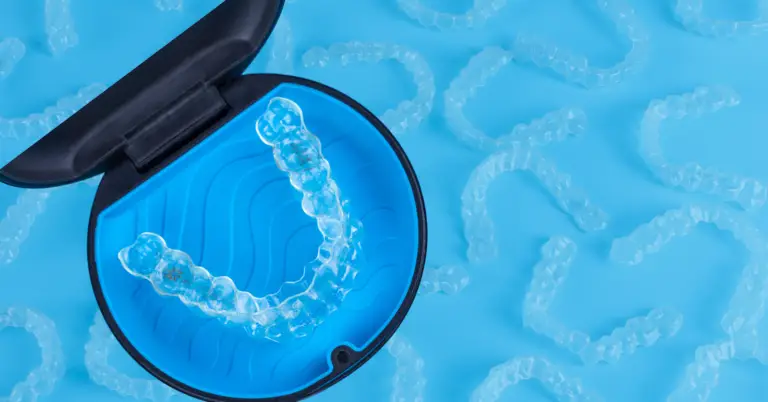
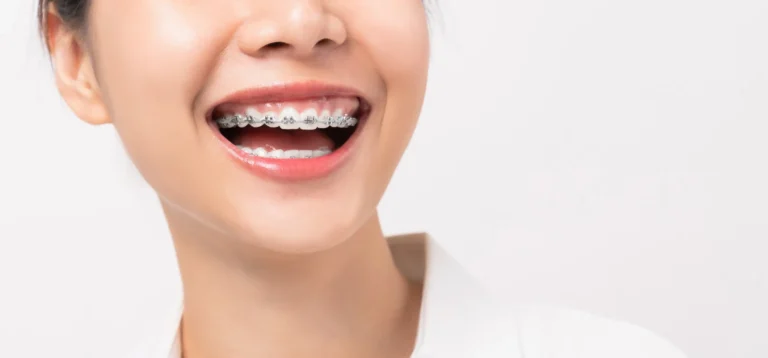
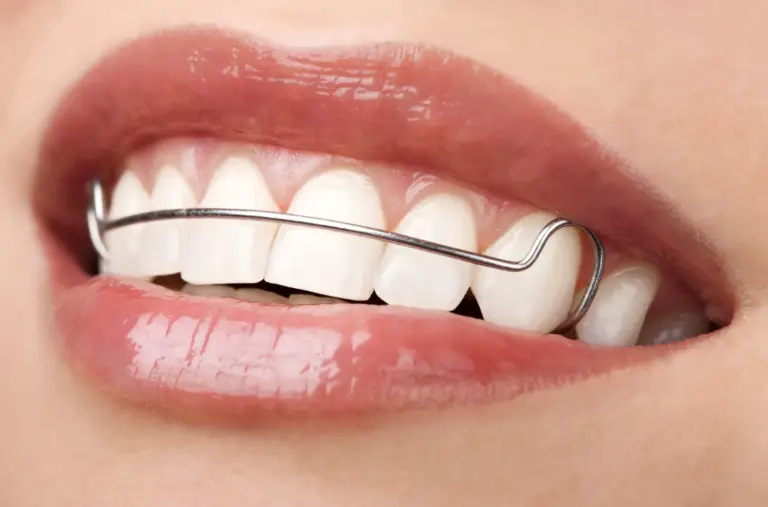
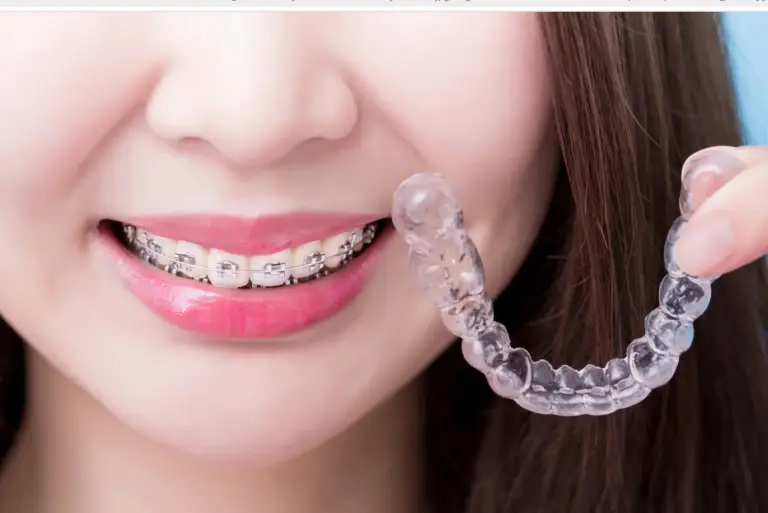
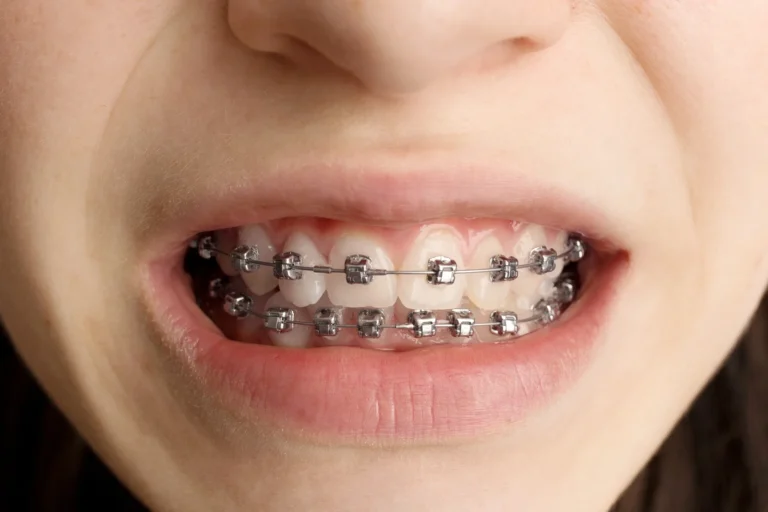
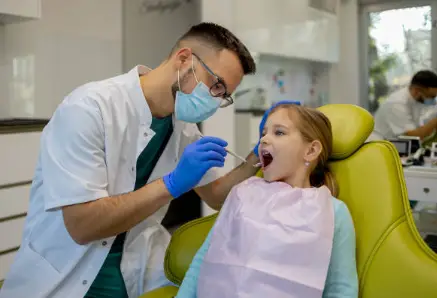
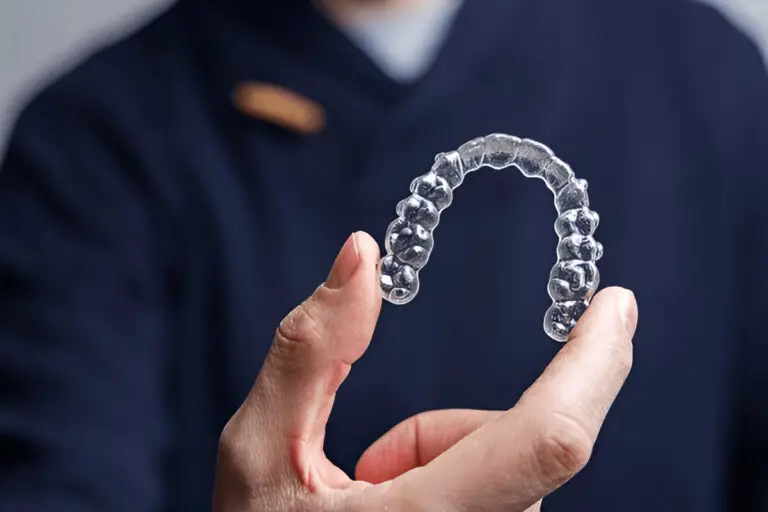
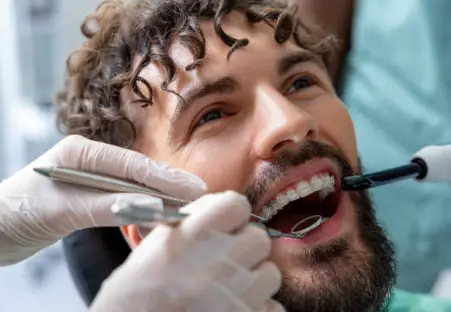
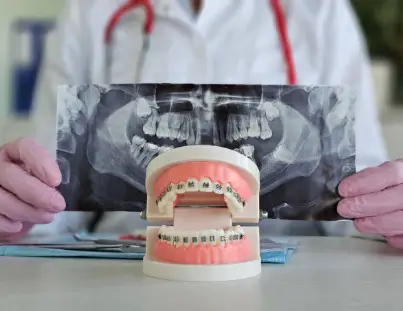
When you receive Invisalign, your daily habits may need to change slightly. You may be surprised if you can still enjoy your favorite snacks or now and then chew a piece of gum. One of the biggest questions asked by many new patients is: Do you chew gum with Invisalign? This is a good question, especially if you are someone who likes to chew gum every day. Gum may look harmless, but it can cause problems if you wear clear aligners. This post will discuss whether chewing gum is safe with Invisalign, what can happen if you try it, and what habits are best when using aligners. So let’s simplify it in an easy-to-understand manner. So, Can You Chew Gum With Invisalign? The short answer is no. Chewing gum with Invisalign is not recommended. The main reason is that gum can easily stick to the plastic alignment, making cleaning difficult. You can also damage aligners while trying to remove them. Also, when you chew gum, your mouth produces more saliva. This extra moisture can make inside aligners uncomfortable to wear and difficult to clean. This is not worth the risk, especially when keeping your aligners clean, which is such an important part of treatment. So, when people ask, “Is gum safe with Invisalign?”The answer is: not really. It is best to avoid it until you first remove your aligners, but you still need to be careful. What Happens If Gum Gets Stuck in Your Invisalign? It is more common than you thought to get stuck in Invisalign. If you accidentally chew gum while wearing your aligners, it can stick to the plastic and make a sticky mess. Not only is it annoying to clean, but it can also leave a residue that attracts more bacteria. The remaining gum can cause a bad smell, stains, or even aligners if you scrub them very hard. So, if this happens to you at any time, remove the aligners immediately and gently clean them with lukewarm water and a soft toothbrush. Avoid using hot water, though—it can fight plastic. Why Is Chewing Gum a Problem? With regular braces, people are already asked to chew gum. And with Invisalign, the same rule applies mostly. While Invisalign aligners are smooth and removable, they are still delicate and have to fit perfectly on your teeth. When you chew gum, the sticky texture pulls on the plastic and tugs. It can beat the pressure of aligners or lose its shape. In addition, gum can also slide between your teeth and aligners, which can cause more cleaning problems. This is why chewing gum is often listed as a big thing on the “Invisalign dos and don’ts” list. What About Sugar-Free Gum? Some people feel that sugar-free gum is fine because it does not contain sugar, which damages your teeth. While sugar-free gum may be better for your teeth than regular gum, it still carries the same risk when wearing Invisalign. It can still be sticky. It can still harm aligners. And it still increases saliva, which can cause more discomfort inside the tray. Therefore, whether it is minty, fruity, or sugar-free, removing your aligners before chewing is still a better idea. How Eating Habits Change With Invisalign You will need to make a few lifestyle changes with Invisalign, especially when it comes to eating and drinking. You will need to take out your aligners every time you eat food or drink anything other than water. This includes snacks, coffee, and, yes, even gum. Many patients feel that they have less breakfast, drink less sugary drinks, and overall their teeth pay more attention to their teeth. This is why Invisalign is not just a treatment – it becomes a new way to live life. These eating habits with Invisalign can also help in your overall oral health. Foods to Avoid With Invisalign While Invisalign allows you to eat most foods after the aligners are removed, you should be careful with some things. Sticky, hard, or very chewy foods can cause issues, not only for your teeth but also for your aligners. Foods to avoid with Invisalign include gum, toffee, caramel, and even some chewing granola bars. These leave residue in your mouth, which is then trapped in the trays once you put them back in. Always brush and rinse before wearing your aligners. Best Practices With Invisalign Here are a few best practices with Invisalign to keep your treatment on track: Wear your aligners 20 to 22 hours a day. Remove them when eating or drinking anything but water. Clean them gently with a soft toothbrush and light soap or Invisalign cleaner. Store them in their case if not in use. Avoid chewing gum while wearing them. By following these simple tips, your smile will be on schedule, and your aligners will be clear and clear. Why Choose DKO Smile for Orthodontic Services? At Dietrich Kelso Orthodontist, we provide expert dental care tailored to your needs. Whether you need braces, scaling and root planning, implants, or dentures, our talented staff ensures high-quality results for a healthy, confident smile. A skilled dentist has the special tools and expertise to remove the tartar that causes periodontal disease. We offer personalized care, advanced techniques, and scaling and root planing instruments. Trust us to restore your smile beautifully and maintain your oral health. Final Thoughts So, can you chew gum with Invisalign? The answer is not, at least not while wearing your aligners. Gum can stick, cause damage, and affect your treatment. Even sugar-free gum is not worth the trouble. If you want to chew the gum, first take out your tray, chew briefly, then brush it before putting it back, and rinse. Overall, Invisalign requires some changes in your routine. But these small changes give big results—a stressful, healthy smile. Just follow the Invisalign dos and don’ts, avoid sticky foods, and take good care of your teeth and trays. With these smart habits and a little patience, you will brighten that perfect
What is Interceptive Orthodontic Treatment?
When it comes to children’s dental well-being, many parents frequently ask, ‘Is orthodontic treatment necessary?’ It’s an upright question. After all, children lose their baby teeth, so why worry so early? However, not all dental problems fix themselves with time. That’s where interceptive orthodontic treatment approaches come in. Also known as early orthodontic treatment, it concentrates on noticing and improving dental issues in children before they become serious. Early treatment of teeth and jaw growth may still require full braces. It’s similar to fixing little problems before they grow up. Let’s explore the term interceptive orthodontics, how it works, and why it might be an adequate choice for your child’s smile. What is Interceptive Orthodontics? It is a treatment that starts while a child still has some baby teeth. It is also known as early intervention orthodontics or preventive orthodontics. This method helps catch early signs of dental or jaw issues and treat them before they become more severe. Dissimilar to regular braces that usually come during the teenage years, interceptive care starts earlier, sometimes as young as 6 or 7 years old. The goal is to show the development of the jaws, create a place for incoming adult teeth, and enhance the alignment of teeth. With this type of care, dental specialists and orthodontists strive to prevent significant problems from arising afterward. This can lead to shorter, simpler, and less costly treatments in the future. Is Orthodontic Treatment Necessary for Kids? As we mentioned above, parents frequently ask, “Is orthodontic treatment necessary?” when their children still have baby teeth or just a few enduring ones. The answer depends on the child’s specific dental condition. While not all children need early braces or other therapies, many advantages to pediatric orthodontic care. Managing an orthodontic evaluation for children around the age of 7 allows orthodontists to recognize issues such as crowding, bite problems, or jaw misalignment. These concerns are unlikely to be determined on their own as the child grows. In fact, without early intervention, some of these problems could worsen over time. Accordingly, orthodontic therapy is often essential, particularly for correcting jaw growth early or guiding teeth into more appropriate positions. Here Are the Signs That Show Your Child May Need Early Treatment! Many indications may show that your child requires orthodontic treatment promptly rather than later. These signs involve: They have filled or crooked teeth A child faces difficulty while biting or chewing They must have teeth that protrude or do not align properly A child can have early or late loss of baby teeth If a child has periodic mouth breathing Thumb reeks beyond the age of 5 Ticking or popping sounds in the jaw If you notice any of these indications, it’s essential to plan an orthodontic evaluation for your child. Handling these issues early can greatly impact the effectiveness of the dental treatment. What Happens During Early Orthodontic Treatment? Early orthodontic treatment can include many devices and steps, depending on the specific dental problems that need to be handled. Some children might require interceptive braces, which are smaller and easier than full braces. Some people may use expanders to widen the top jaw or space maintainers to keep the area available for adult teeth. In certain conditions, orthodontic treatment can help affect the growth of the jaw or handle problems with the bite. Dental experts refer to this process as early jaw growth correction. The goal is to work with the body’s natural development to prevent more serious issues later on. The initial phase of dental therapy typically lasts about 6 to 12 months. Later, your kid may move through a break period where their growth is noticed. During the second phase, such as full braces, might be required during their teens. Because of the initial function, the second phase is always shorter and easier. What Are the Benefits of Early Orthodontic Treatment? Initially, there are numerous advantages to starting orthodontic care. One big advantage is that it helps prevent worse issues in the future. When problems like crowding or jaw misalignment are determined initially, your child’s mouth grows in a healthier and more balanced manner. Orthodontics for young children also helps increase confidence. Children who are uncomfortable about their smile may feel better after dental therapy. Furthermore, addressing issues early lessens the likelihood of teeth breaking that don’t adhere or close properly. Another considerable benefit is that it can lessen the need for tooth removal afterward. In some cases, initial care can prevent the need for full braces. And if braces are still required, the time spent wearing them is usually shorter. When Should You Schedule an Evaluation? Dental specialists suggest that parents plan their child’s first orthodontic evaluation by the age of 7. While this seems before time, it allows orthodontists to recognize potential problems before they become more severe. At this age, children normally have a combination of baby teeth and adult teeth, making it simpler to examine the development of their mouth and teeth. Not all kids will require treatment immediately, but it’s better to know early than to wait. Some children may only need to be noticed over time, while others may start therapy soon after the visit. What if You Wait Too Long? Holding back too long to begin therapy could lead to greater issues. For example, if the higher and lower jaws don’t grow at the same speed, it can produce a misaligned bite. This could lead to aching, difficulty chewing, or even speech issues. Unprocessed orthodontic issues in children can lead to low confidence, particularly if the child feels awkward about their smile. More critically, important issues might necessitate surgery or extended treatment if not detected in time. Why choose Dietrich & Kelso Orthodontist for Interceptive Orthodontics? At Dietrich & Kelso Orthodontics, we are dedicated to providing high-quality dental care to families and patients of all ages. We provide comprehensive solutions tailored to each patient’s oral health needs. At Dietrich & Kelso Orthodontics, our skilled orthodontist takes
Is Orthodontic Treatment Necessary?
One major aspect of oral care that most people only think about brushing, flossing, and keeping the teeth clean is orthodontic treatment. Orthodontic treatment will help maintain the proper alignment of the teeth and jaws. This raises the question of whether or not orthodontic treatment is necessary for each individual. The answer relates to personal needs and requirements. Sometimes it isn’t only a matter of having a good smile; it is about having a healthy mouth. Crooked teeth, jaw problems, and bite issues may not look like a large deal at first, but they may lead to severe oral health problems below the surface. Even if your teeth look fine, there may be underlying issues that only one expert can catch. This is why it is often a smart step to visit an orthodontist. In this post, we will talk about the importance of orthodontics, when it is needed, and how it can make a permanent difference in your overall health. Why Do People Get Orthodontic Treatment? Many people get orthodontic treatment because their teeth are crooked or crowded. Others may have gaps between their teeth or issues with how their jaws line up. These are called jaw alignment issues, and they can affect your chewing, speaking, and even breathing. One of the main goals of orthodontic care is they fix these problems quickly, before they deteriorate. Early orthodontic intervention is often the best way to handle biting teeth in children. When treated at the right time, it can prevent small issues from turning into large ones. So, if you are asking, “Is orthodontic treatment necessary?” The answer can be yes, especially when these issues begin to affect your everyday life or your oral health. The Importance of Orthodontics for Oral Health Let’s talk more about the importance of this treatment. It is not just about looking good in pictures. Straight teeth are really easy to clean. When the teeth are crowded or overlapping, food and bacteria may get stuck in the middle, making it difficult to brush and floss properly. Over time, it can cause cavities, gum and even teeth loss. In addition, when your teeth and jaws are not aligned properly, your bite can cause a lot of pressure on some teeth. This can cause teeth to wear unevenly or even chip. Sometimes, it can also lead to jaw pain or a headache. This is why orthodontic care is required beyond the basics. It helps to keep your teeth, gums, and jaw joints healthy for a long time. What Are the Benefits of Orthodontic Treatment? There are just so many benefits of the treatment, both physical and psychological. 1- Teeth Straightening It straightens teeth and closes gaps, which can improve one’s confidence. Most individuals feel more confident smiling and speaking in public after their treatment. 2- Teeth Correction Second, corrects crooked teeth treatment issues that cause uneven wear and tear. Evenly aligned teeth are better balanced and distribute the pressure of your bite more evenly. This avoids damage in the long run. 3- Jaw Alignment Third, correcting jaw alignment issues can enhance the way you chew food and how your mouth functions. In a few instances, it may even correct speech or breathing difficulties. 4- Normal Jaw Growth And lastly, braces and other treatments such as functional orthodontics can facilitate normal jaw growth in children. This can provide space for their adult teeth and avoid future problems. What Happens If You Avoid Treatment? Some people delay or leave orthodontic care because they do not think it is required. But ignoring these issues can cause major problems. If crooked teeth are not treated, they can be difficult to clean, leading to more plaque buildup and cavities. In addition, cutting issues can wear your teeth rapidly or shift even more over time. Jaw alignment issues may also deteriorate. Some people experience clicking sounds or pain when they open and close their mouths. Others may struggle with jaw stiffness or stress headaches. With correct treatment, these problems can often be avoided. Then, is orthodontic treatment necessary? Well, if it prevents pain, damage, and long-term dental problems, yes, it is there. Oral Health and Braces: More Than Just Straight Teeth Many people think braces are only to straighten teeth, but there are many other things Braces can help fix your complete bite, fix spacing problems, and guide how your teeth come together. It all supports better chewing and overall comfort. Oral health and braces go together. Braces may take some time to get used to, but they ensure a healthier smile in the future. With proper spacing between your teeth, it is simpler to clean, floss, and care for your gums. Additionally, advances in technology have made braces more comfortable and less conspicuous than they used to be. Clear aligners also exist, which most individuals like because they’re removable and almost invisible. Functional Orthodontics and Your Jaw Another part of orthodontic care that people often ignore is the use of functional orthodontics. This type of treatment is focused not only on teeth but also on muscles and bones that support them. This is particularly useful for children whose jaws are still growing. Functional equipment can help the jaw to guide to move in the right direction. It can prevent the need for dental extractions or surgery later in life. This treatment can help relieve jaw pain or even improve sleep by opening airways in adults. So if your jaw feels out of place or painful, it is worth receiving orthodontist advice to see if this type of care can help. Why Choose DKO Smile? At Dietrich Kelso Orthodontist, we provide expert dental care tailored to your needs. Whether you need braces, scaling and root planning, implants, or dentures, our talented staff ensures high-quality results for a healthy, confident smile. A skilled dentist has the special tools and expertise to remove the tartar that causes periodontal disease. We offer personalized care, advanced techniques, and scaling and root planing instruments. Trust us to
Top 10 Benefits of Choosing Invisalign for Teeth Straightening!
Straight teeth are not all about looks. It also prevents your mouth from getting dirty and unhealthy. Until a few years ago, only metal braces could correct crooked teeth. But now, Invisalign is a well-known and trusted alternative. It is simple, clear, and suitable for most people. Invisalign clear aligners employ smooth plastic trays, which slowly shift your teeth to their new positions. These are custom doors only for you. The best part is that they are nearly invisible and thus are favored by teenagers and adults who desire less obvious treatment. In this blog post, we will discuss the top 10 benefits of choosing Invisalign to correct teeth. If you are thinking about improving your smile, this guide will help you see why Invisalign may be the right choice for you. Here’s a List of Benefits of Invisalign Treatment! First Benefit: Nearly Invisible One of the greatest things about Invisalign is that it’s nearly invisible. The clear aligners are fitted snugly over your teeth and are extremely difficult to see. This makes it simpler for individuals to feel comfortable wearing them. Whether you’re at school, work, or a party, you can smile without blushing. Unlike metal braces, Invisalign won’t make you feel like your smile is encased in wires. Second Benefit: Easy to Wear Invisalign aligners for teens and adults consist of smooth, soft plastic. They don’t contain hard metal fragments that jab your lips or cheeks. This translates to fewer cuts and less discomfort. You may experience some pressure when you change to new aligners, but it will disappear after a day or two. Invisalign is much more comfortable for most people than traditional braces. Third Benefit: Simple to Remove With Invisalign, you can remove your aligners at any time. This is an incredible advantage. You can remove them during meals, drinking, brushing, or flossing. Therefore, you don’t have to be concerned with food getting stuck as it does in the case of braces. Additionally, you will still be able to consume all your favorite foods, including popcorn or gum. Just ensure to wear the aligners for roughly 20–22 hours per day for optimal results. Fourth Benefit: Fewer Dentist Visits Another awesome thing about Invisalign is that it tends to take less time to see your dentist. One of the key benefits of Invisalign treatment is that the aligners are already pre-made for various phases of your treatment. So your dentist or orthodontist only has to monitor your progress every couple of weeks. This is ideal if you’re busy or if you live a long way from your dentist’s office. Fifth Benefit: Improved Oral Hygiene Since you can take out Invisalign trays, it’s less difficult to have clean teeth. You can floss and brush as you regularly would. It prevents plaque accumulation, tooth cavities, and gum issues. With braces, it’s harder to reach areas, which increases the risk of more dental issues. So, Invisalign makes it possible for you to have both a healthy and straight smile. Sixth Benefit: Customized Just for You Each Invisalign treatment is custom. The dentist utilizes 3D impressions of your teeth to create Invisalign clear aligners that fit your mouth alone. They gradually shift your teeth into position over time. Because they’re specifically created for you, they function better and more comfortably than generic solutions. Seventh Benefit: No Food Restrictions One of the most difficult aspects of wearing metal braces is giving up some of your favorite foods. Popcorn, nuts, sticky sweets, and even hard fruits are all potential issues. But with Invisalign, you just take out your aligners before you eat. So, you don’t have to alter your diet or fear breaking brackets or wires. Eighth Benefit: Safe for Sports and Activities If you participate in sports, Invisalign is the better choice. Metal braces may damage your mouth if you are hit in the face. However, Invisalign clear aligners are smooth and can be taken out, so they will be less likely to do as much damage if you get into an accident. You can even take them out and wear a mouthguard during games or practice. Ninth Benefit: Develops Confidence Most individuals are self-conscious or shy about wearing metal braces, particularly older adolescents or adults. Invisalign makes you feel more confident since it’s clear and not very noticeable. You can smile naturally in pictures, present at meetings, or go on a date without noticing. Gradually, as your teeth become straighter, you’ll feel more confident about your look as well. Tenth Benefit: Treats Several Dental Issues Invisalign is not only for minor repairs. It can be used to correct many different types of dental issues. If you have crowded teeth, gaps between teeth, overbites, underbites, or even crossbites, Invisalign may be a good option. Your dentist will assess whether or not you’re a good candidate, but many individuals with various alignment issues can use this process. Why Choose DKO Smile for Orthodontic Services? At Dietrich Kelso Orthodontist, we provide expert dental care tailored to your needs. Whether you need braces, scaling and root planning, implants, or dentures, our talented staff ensures high-quality results for a healthy, confident smile. A skilled dentist has the special tools and expertise to remove the tartar that causes periodontal disease. We offer personalized care, advanced techniques, and scaling and root planing instruments. Trust us to restore your smile beautifully and maintain your oral health. Final Thoughts! Invisalign has revolutionized the process of straightening teeth. It’s discreet, removable, comfortable, and easily integrates into your lifestyle without causing any inconvenience. With fewer limitations and more flexibility, it’s not hard to understand why Invisalign is so popular compared to conventional braces. In addition to this, Invisalign not only enhances your smile but also makes your teeth easy to clean during the treatment. If you’re searching for a new, easy, and more comfortable way to achieve the smile you’ve always dreamed of, Invisalign could be the solution. Contact us today and determine if it’s for you!
What is a Bar for Polishing Teeth Called, Orthodontist?
When you go to the dentist or orthodontist, you might have seen them using a small device that buzzes and cleans your teeth. It could resemble a tiny spinning brush or wheel. This device cleans and polishes your teeth, making them smooth and shiny. But what is it called? Most people don’t know its correct name, and that’s fine! We will simplify everything in this article. You will find out what the tool used for polishing is called, how it functions, and why it is utilized. Additionally, we will describe how it maintains the health and brightness of your teeth, so if you have ever been curious about what that “bar” is that polishes your teeth, let’s find out together. What Is That Polishing Tool Called? The device that orthodontists or dentists use to clean teeth is commonly referred to as a prophy angle. It’s not a “bar,” although it may appear to be so at a glance. A prophy angle is a small, hand-held tool that goes on a dental drill or handpiece. At the end of this device, there’s typically a soft rubber cup or a miniature brush. This spinning cup makes circular motions and polishes the teeth gently with a special polishing paste. It’s one of the orthodontic finishing tools utilized during the concluding phases of treatment to provide teeth with a shiny, smooth appearance. Occasionally, people refer to it simply as a polisher or tooth polisher, and that is just fine as well. But in dentistry, the proper name is “prophy angle.” “Prophy” is short for prophylaxis, which refers to a kind of dental cleaning that prevents things such as cavities and gum disease. Why Do Orthodontists Use It? Orthodontists are primarily concerned with straightening teeth and correcting bites. But they’re also concerned with your general dental health. After braces come off or with some treatments, your teeth might have some remaining glue on them or feel rough. That’s where the prophy angle enters the picture. Orthodontists utilize it to: Remove the remaining glue on the brackets Even out rough surfaces Polish the teeth to make them shine and appear clean This part is crucial since smooth teeth are simpler to clean at home. Additionally, it’s wonderful to leave the office with teeth that appear to be brand new. How Does the Polisher Work? The prophy angle is attached to a special device that causes it to rotate. The rotating rubber cup or brush is placed in a gritty toothpaste-like substance called prophy paste. This paste is normally flavored, sometimes with mint and sometimes with fruit, and it contains tiny particles that will help clean the surface of your teeth. When the cup rotates, it distributes the paste evenly over your teeth and softly buffs off any surface stains, plaque, or remaining debris. It doesn’t cause any pain, but it may tickle a bit. The noise it produces may sound rather loud, but the procedure is harmless and painless. It’s a standard feature of most orthodontic appliances for cleaning and finishing. Some prophy angles are disposable, in the sense that they are discarded after a single use to maintain cleanliness and hygiene. Others are reusable but are thoroughly cleaned and sterilized between patients. What Happens When You Get Your Teeth Polished? During a cleaning at the dentist, polishing is often one of the final procedures. The dentist or hygienist removes any hard deposits (tartar) first with special equipment. Then they polish. Here’s what you can look forward to: The rubber cup rotates slowly at first Small amounts of gritty paste are placed on The polisher is very gently moved over each tooth You may feel some tickling or vibration After the polish, your teeth are washed with water Your teeth will ultimately feel much smoother and appear shinier. It’s a pleasing way to end a dental visit. Is It Important to Polish Braces or After Braces? Yes, this is. When you have braces, it can be difficult to clean around the brackets and wires. Even if you brush carefully and floss, some spots can still catch plaque or food particles. This is why orthodontists often recommend a professional cleaning during or after orthodontic treatment. Once your braces are removed, your teeth may have glue marks or uneven surfaces. Polishing helps to fix it. All this smoothes and brings back your natural glow. In addition, it is a good reward after years of wearing months or even braces. After removing some orthodontic braces, you will also polish your teeth so that you can immediately enjoy your new smile. Can You Polish Teeth at Home? You can clean your teeth at home by brushing and flossing. But the type of polishing that is achieved with a prophy angle is best left to a trained dentist. Attempting to polish your teeth at home with rough implements or substances can damage your enamel or gums. Instead, try: Brushing twice a day with fluoride toothpaste Flossing once a day Getting your teeth cleaned at your dentist’s every 6 months. These practices will keep your teeth healthy, shiny, and strong. Why Choose Dietrich Kelso Orthodontist for Orthodontic Services? At Dietrich Kelso Orthodontist, we provide expert dental care tailored to your needs. Whether you need braces, scaling and root planning, implants, or dentures, our talented staff ensures high-quality results for a healthy, confident smile. If you’re searching for an orthodontist for kids, we also offer early orthodontic evaluations and gentle care to support healthy smiles from a young age. A skilled dentist has the special tools and expertise to remove the tartar that causes periodontal disease. We offer personalized care, advanced techniques, and scaling and root planning instruments. Trust us to restore your smile beautifully and maintain your oral health. Final Thoughts Therefore, the next time you meet your orthodontist or dentist and they bring out that echo “bar”, you will know what it is. It is called an angle and is used to polish your teeth and look and feel
What are Spacers in Orthodontics?
When people talk about braces, they generally imagine rubber bands, wires, and metal brackets. But before those braces are applied, there’s usually a tiny procedure not everyone is aware of: spacers for teeth. These little devices have a significant function of conditioning your oral cavity for orthodontic treatment. Although they may seem small and smooth, spacers for teeth are essential in opening enough space between your posterior teeth so that other brace components fit without any problem. Without spacers, it is more difficult and cumbersome to position braces. Today, we shall explain what spacers are in orthodontics, how they function, why spacers are utilized, and what to do if you ever have to use them. Let us learn it simply and smoothly! What Are Spacers Exactly? Spacers, or stoppers, are small rubber or metal rings between your molars, the large teeth at the back of your oral cavity. These small rings are roughly the size of a small rubber band, but they have a prime function. They are applied to move your teeth apart a bit over time. This will help your dental professional to create space for metal bands, which will be cemented over your molars as part of your braces later on. Though they look small, spacers for braces are working hard in the background. Once placed down, they remain between your teeth for a few days to a week. They gradually and effortlessly move your teeth apart over time. It works like preparing for the actual braces workout that begins. Why Do You Need Spacers? Not everybody needs spacers, but most people do, mainly if there are teeth that are close together. If there is not sufficient space between your molars for the bands of orthodontics, your orthodontist cannot position them. That is where spacers are used. They assist in creating sufficient space between such teeth, without using additional devices or forces. Think of it like attempting to slide a ring smoothly onto a finger that’s slightly too stretched out. It won’t slide on easily unless there’s some room. Orthodontic bands require some gap to fit in comfortably and function properly. Orthodontic spacers are applied painlessly to your teeth and gums. How Are Spacers Placed? Getting orthodontic spacers is usually a quick and easy process. Your assistant or dentist places a small instrument on the rubber spacer to expand it, and just slides it a little bit between your molars. You’ll feel a slight pressure or light pinch, but it’s all over in seconds. After they’re in, you may get the impression that something’s been cemented between your teeth, and that’s normal. It can cause some individuals to feel tender for the initial day or so, particularly when you eat. But don’t panic, discomfort usually subsides quickly as your mouth gets adjusted to it. What Do Spacers Feel Like? In the beginning, Spacers might be a bit awkward. People describe the feeling when food sticks in between their teeth, but some experience dull pressure or light soreness. Irritation is usually normal since your teeth are about to start shifting slightly, and that’s why the spacers are placed. You may observe that chewing food that is tough or crunchy may cause you to experience additional pain. Eat softer foods, like pasta, yogurt, or mashed potatoes, to make things simpler in the initial days. Drinking cold beverages or using ice packs can also help alleviate any distress in your mouth. It’s important to avoid playing with the spacers of teeth with your tongue or fingers. This may lead to them falling out earlier than the normal time, which might mean another visit to the dental expert to replace them. Can Spacers Fall Out? Yes, spacers can fall out, primarily if your teeth move quickly or when you eat sticky foods such as gum or candy. If a spacer falls out before your next appointment, it is important to inform your orthodontist. Often, they prefer to replace it so that sufficient space is created. But if it falls out one day before your next visit, and you don’t experience any tightness in that stain, your dentist may decide it’s okay to proceed without reseating it. Why choose Dietrich Kelso Orthodontist for Spacers to Specialize in Orthodontics? Our experienced team is committed to helping every patient have better results at Dietrich Kelso Orthodontist. We provide specialized dental care according to your unique requirements. With personal attention and up-to-date equipment, we make the placement of spacers a smooth and pleasant experience. Whether you need spacers in orthodontics, implants, bridges, or dentures, our staff is committed to providing the best results for a healthy oral fitness and an attractive smile. Let us help you restore your smile beautifully and uphold oral health for years to come. Final Thoughts! In summary, spacers might seem like a big step and have an important role in brace treatment. Spacers ensure that everything fits perfectly before your orthodontic treatment begins. Initially, although they may be somewhat miserable, the good news is you don’t have to wear them for very long. Once they’re done, you’ll be that much closer to a brilliant, straighter smile. So, it’s not a big deal if you or someone you know requires spacers and will immediately receive braces. Practice good oral hygiene, do whatever your orthodontist advises, and know that it’s all part of the journey to a fantastic smile!
What Are Orthodontic Services?
Have you ever checked in the mirror and desired that your teeth were straighter? Or maybe you’ve had difficulty biting or chewing accurately? If so, you are not solo. Many people handle problems related to the alignment of their teeth or jaws, and that’s exactly where orthodontic services come in. These services are all about fixing challenges with crooked teeth, crowded mouths, or misaligned bites. The main objective is to help you enjoy a healthy mouth and a smile you can feel proud of. Orthodontic treatment is more than just acquiring braces. Achieving the perfect smile requires careful planning, professional care, and modern tools to move your teeth into the right position over time. Even if you are a child, teen, or adult, it’s never too late to start your journey toward a better smile. How Are Orthodontists Different from Dentists? It’s easy to believe that dentists and orthodontists do the same work, but they play various roles. Dentists manage a wide variety of oral health problems, such as cleaning your teeth, filling cavities, and treating gum disease. They experience years of training and education to keep their mouth healthy and strong. Orthodontists, however, are dental specialists who choose to go even further. After finishing dental school, they take an extra two or three years of special training, concentrating only on how to move teeth and fix jaw alignment. That’s why they’re the dental experts when it comes to braces, clear aligners, and other devices used to straighten teeth. So, while your routine dentist can help keep your teeth clean and healthy, an orthodontist is the right person to see if your teeth or jaws aren’t lining up accurately. What Kinds of Problems Do Orthodontic Services Treat? Orthodontic services are designed to fix several common dental problems that impact the appearance and function of your mouth. Crowded or Crooked Teeth One of the most common complications is crowded or crooked teeth. When teeth overlap or twist, it can be tough to clean them perfectly, which may lead to tooth decay or gum issues. Braces or clear aligners can mildly move them into the exact place. Bite The second issue is bite issues, also referred to as malocclusions. They are overbites, underbites, and crossbites. Not only do they affect the way you chew food, but they also create jaw pain or uneven tooth wear. Orthodontists use particular devices, such as braces or expanders, to correct these bite issues over a period of time. Hold Space Sometimes, orthopedic treatment is also necessary to place something in the mouth. For example, if a child loses a tooth very quickly, the nearby teeth can move into the space. This can later give rise to problems when adult teeth come in. Artodontic tools such as the space creator can help prevent it. To begin with, by fixing these problems, jaw orthopedic services help increase your smile and protect your oral health for the future. What Treatment Options Are Available? There is no one-size-fits-all solution for orthodontic care. Each person’s mouth is unique, and therapy plans are tailored to meet individual requirements. Meta Braces: One of the most common treatments is metal braces, including brackets and wires to move the teeth over time. These are very effective and suggested for more complex dental problems. Clear Braces or Clear Aligners: If you prefer a more discreet option, clear braces or clear aligners such as Invisalign may be better suited for you. These alternatives are nearly invisible and can be removed for eating and brushing, making them a popular selection for many teens and adults, as they are easier to handle and less detectable. Tools: In addition, tools that may be used during treatment include retainers (to keep your teeth in place after acquiring braces), expanders (to widen your jaw if required), and space maintainers (to avoid teeth from shifting when one is missing). Your orthodontist will assist you in choosing the treatment that is best for your lifestyle and goals. Why Does Orthodontic Treatment Take Time? Moving teeth is a steady and careful procedure. That’s why most orthodontic treatments last anywhere from 12 to 36 months. The duration depends on the severity of the problem and the type of therapy being used. Though it may take time, the results are worth it. Once the treatment is finished, you’ll likely wear a retainer to keep your teeth from shifting back. This step is significant if you want your new smile to last for years. Why Choose Dietrich Kelso Orthodontist for Orthodontic Services? At Dietrich Kelso Orthodontist, we provide expert dental care tailored to your needs. Whether you need braces, scaling and root planning, implants, or dentures, our talented staff ensures high-quality results for a healthy, confident smile. A skilled dentist has the special tools and expertise to remove the tartar that causes periodontal disease. We offer personalized care, advanced techniques, and scaling and root planning instruments. Trust us to restore your smile beautifully and maintain your oral health. Final Thoughts In summary, orthodontic services involve much more than simply straightening teeth. They greatly enhance oral health, fix bite problems, and help you feel better about your smile. Even if you’re a child, teen, or adult, it’s never too late to benefit from orthodontic care. At DKO Smile, you’ll get expert advice, a clear treatment plan, and a team that truly cares about your comfort and results. An appreciative examination is the first and free step, so there’s no reason to wait.
Why Your Child Should Have Two-Phase Orthodontic Treatment?
Every parent wishes for the best for their child’s health. This includes their teeth and smile. If your child has jaw problems, an uncomfortable bite, or misaligned teeth, you might wonder when the right time to get braces is. While most people think braces are only for teenagers, something that includes two-phase orthodontic therapy can start much earlier. This special sort of medical care helps guide your child’s teeth and jaw as they grow. It may even avoid bigger issues in the future. In this blog, we will discuss two-phase treatment, how it works, and why it might be a bright and helpful choice for your child. What Is Two-Phase Orthodontic Treatment? Two-phase orthodontic treatment is a plan of action that occurs in two separate steps, usually over several years. The purpose is to enhance your child’s dental health and jaw development most naturally and effectively. Orthodontists often begin treatment early, even before all adult teeth have erupted, to address significant problems and guide the development of the mouth. The initial phase of therapy usually begins between the ages of 6 and 10, while a child still has a combination of baby and adult teeth. This early intervention is intended to resolve problems such as jaw alignment, space problems, and bite distortions before they worsen. The second phase begins later, when most or all of the adult teeth have come in. This part often involves braces or aligners to move the teeth into their final, straight direction. What Are the Benefits of Two-Phase Treatment? One of the greatest benefits of two-phase orthodontic treatment is avoiding future problems before they become tough to fix. Starting medication early allows the dentist to generate more space for growing teeth. Resulting in less crowding and better outcomes when the second phase begins. Another benefit is that it assists with jaw development. If your child has an underbite, crossbite, or overbite, it can impact the way they eat, speak, and smile. The initial phase of treatment concentrates on fixing the bite issues while the jaw is still developing. It also raises confidence. When your child sees their smile enhance, it increases their self-esteem. They may feel more pleasant speaking, laughing, and being around others. Plus, many kids are excited to see their smiles changing for the better. Moreover, two-phase treatment may mean less time in braces later. Since some of the difficult work is already done during the initial phase, the second phase is often shorter and simpler. How Does the First Phase Work? In the initial phase, an orthodontist will concentrate on the jaw and bite. They may use tools like amplifiers, space maintainers, or even partial braces. These tools help inform the growth of the jaw, produce space, and align certain teeth. This phase typically lasts about 9 to 12 months. After that, your child will enter a resting period. During this time, the dentist will monitor how the rest of the teeth come in naturally. Your child may visit every few months for a quick check-up. The objective here is not to make every tooth perfect, but to fix the big issue early. This sets up the second phase for success afterwards. What Happens in the Second Phase? When the second phase begins, most or all of your child’s adult teeth have grown. This typically happens between the ages of 11 and 14. At this instant, the dental specialist will place braces or clear aligners to move the teeth into their ideal position. Because of the work done in the first phase, there’s a strong foundation already in place. The bite is better, and the jaw is in a healthier position. So now it’s just about fine-tuning the smile. Depending on the case, this phase may last around 12 to 24 months. By the end of this stage, your child will have a healthy, stunning smile that should last a lifetime. Is It Right for Every Child? Not every child requires a two-phase orthodontic treatment. Some children may have normal jaw growth and straight teeth. In this case, a single phase of treatment during the teen years might be sufficient. After all, children with crooked teeth, bite issues, crowded mouths, or jaw issues are often good candidates for early treatment. A trained dentist can check your child’s teeth and let you know if two-phase treatment is required. Taking your child to the dentist by age 7 is necessary. This may seem early, but it’s the ideal time to identify any problems while their jaw is still developing. Why Choose Dietrich Kelso Orthodontist for Two-Phase Orthodontic Treatment? When selecting a dental clinic for Orthodontic treatment, it is essential to discover a reliable provider for the great results. Dietrich Kelso Orthodontist is an excellent selection for an Orthodontist for Kids. Their highly expert surgeons use advanced tools and techniques to ensure thriving therapy. Every step is controlled carefully, from the initial consultation to the final treatment. The expert dentists at Dietrich Kelso Orthodontist focus on relief and quality, ensuring that your therapy will last for years. Dietrich Kelso Orthodontist is committed to reestablishing your smile with high-quality service and long-lasting results. They strive to make every patient feel cared for while getting excellent dental outcomes. Final Thoughts! In summary, your child’s smile is more than just something cute. It’s part of their health and pleasure. Two-phase orthodontic treatment can give your child the best chance at a strong bite and a confident smile. It helps fix problems early, makes the second phase easier, and can even shorten the total time in braces. By starting at the exact time, you’re helping your child prevent bigger dental issues down the road. And that means less stress, fewer expenses, and a smoother experience for everyone. So if your child is around age 7 or showing signs of bite or jaw issues, it might be time to talk to an orthodontist.
Can a Dentist Tell If You Smoke?
You might think smoking is a personal habit that stays hidden, especially during a short visit to the dentist. But here is the truth: dentists can usually tell you if you smoke, and they do not need to ask. The signs are often clear in your mouth, teeth, and gums. Even if you brush regularly or use mouthwash, some effects of smoking are hard to hide. And most important, dentists are trained to notice these minor but obvious signs. Your mouth says a lot about your health, and smoking leaves behind clues that are easy to spot. So, if you have ever wondered, “Can a dentist tell if I smoke?”—the answer is YES! This article will explain how they know and why it matters. How Smoking Affects Your Mouth? Smoking does not just harm your lungs; it also takes a serious toll on your oral health. Cigarettes, cigars, and even vaping products can damage the soft tissues in your mouth. They reduce blood flow, slow down healing, and increase your chances of gum disease and tooth decay. Over time, smoking also changes the color of your teeth and even your tongue. One of the biggest smoking effects on teeth is how it dries out your mouth. When there is not enough saliva, your mouth can not clean itself properly. This makes it easier for bacteria to grow and harder for your body to fight infections. These small changes build up and become very noticeable during a dental checkup. Sign #1: Teeth Discoloration: One of the first things a dentist might notice is the color of your teeth. Smoking stains your teeth with a yellow or brown plaque, especially near the gums. This happens because the nicotine and tar in tobacco stick to your enamel. Even if you brush often, these stains are tough to remove. Dentists can usually tell if the stains are from coffee, tea, or tobacco. Tobacco stains tend to look darker and cover more of the tooth surface. If a dentist sees these deeper stains, it is a strong sign of smoking in the mouth that the patient is a smoker or uses tobacco in some form. Sign #2: Bad Breath That Won’t Go Away Another big clue is bad breath. Smoking gives you a strong, smoky odor in your mouth, and it often does not go away with mints or mouthwash. This happens because smoke dries out your mouth and helps bacteria grow. Over time, this bacteria leads to a constant lousy smell that dentists call “smoker’s breath.” A dentist might not say something right away, but if the smell is strong or mixed with signs of gum problems, it is usually enough for them to know what’s going on. Sign #3: Gum Problems and Inflammation Gums are also a big giveaway. Healthy gums should be pink and firm. But smoking can make them look darker, swollen, or uneven. It also causes more plaque to build up, which leads to gum disease. Gum disease is a common problem among smokers, and dentists know the warning signs. If your gums bleed easily, look red or purple, or pull away from your teeth, a dentist will suspect smoking, poor oral hygiene, or sometimes both. And here is something most people do not know: smoking makes it harder for your gums to heal. So, if a patient has had dental work but is not healing well, that is another clue that smoking may be involved. Sign #4: Slow Healing After Dental Procedures Whether it is a tooth extraction, gum surgery, or even a simple cleaning, your mouth needs time to heal. But if you smoke, that healing takes much longer. This is because smoking limits oxygen in your blood and weakens your immune system. So, during a dental examination, if a dentist notices that your mouth is not healing as fast as it should, they might ask about your smoking habits. Even if you try to hide it, the healing speed or lack of it is a clear sign. Sign #5: Changes in the Tongue and Inside of the Cheeks Dentists also check the soft tissues inside your mouth. Smoking can change the way your tongue and cheeks look. The tongue may appear coated or have a white, rough surface. In some smokers, the tongue might even look black or hairy due to a buildup of dead cells and bacteria. The inside of your cheeks may also show signs of irritation or white patches, which dentists call “leukoplakia.” These changes don’t happen overnight, but over time, they become noticeable, and they are often linked directly to smoking. Sign #6: Vaping Is not Off the Hook, Either Many people think that switching to vaping will keep their mouths healthier. But that is not completely true. While vaping may cause less staining, it can still dry out the mouth and lead to gum irritation. Some vape liquids also contain nicotine, which affects healing and increases the risk of gum disease. Dentists are trained to notice the effects of vaping, too. So, even if you have switched from cigarettes to e-cigarettes, your dentist might still be able to tell. Why Quitting Makes a Big Difference? If you have been thinking about quitting smoking, your mouth gives you a great reason to start. Your gums begin to heal within a few weeks of quitting. After healing, your breath smells better, and your mouth feels cleaner. Your risk of gum disease and oral cancer also goes down gradually. Even if you have smoked for years, you can protect your teeth and gums from more damage till now by stopping smoking. Further, your dentist can help track your progress and notice the improvements. It is never too late to make a healthy change. Why Choose DKO Smiles? At DKO Smiles, we care about more than just your teeth. We take care of your comfort, health, and confidence. Our professional team takes time to listen and explain everything clearly, so you will always feel at
A Guide to Different Types of Braces for Adults!
Braces aren’t just for kids and teens. Many of adults choose braces to straighten their teeth to have a healthier smile. Braces can make a big difference to your journey to straight teeth. Whether it’s to fix crooked teeth, close gaps, or improve bite issues. The good news is that modern braces are more comfortable and less noticeable than ever before. Some options are even nearly invisible. But with so many braces available, it can be hard to know which one is right for you. Each type has its benefits, costs, and level of maintenance. Some work faster, while others are more discreet. In this guide, we’ll explore the different types of braces for adults and help you decide which one might suit you best. Traditional Metal Braces Traditional braces are not only one of the oldest but also commonly used type of braces. They come with metal brackets that help them to attach with teeth through a wire. Small rubber bands, called ligatures, hold the wire in place. Over time, the wire is adjusted to gradually shift the teeth into the correct position. Adult metal braces are the most effective braces. They can fix even the most severe dental issues, including misaligned bites, overcrowding, and large gaps. They are also usually the most affordable option. However, metal braces are very noticeable, making some adults self-conscious. They may cause some discomfort, especially after adjustments. But with technological advancements, modern metal braces are comfortable and smaller in size. Ceramic Braces Ceramic braces almost work like metal braces but comes with clear or tooth-colored brackets that blend in with your teeth. This makes them a more discreet option for adults who don’t want their braces to be too noticeable. The big benefit of ceramic braces is their beautiful appearance. They are much less visible than metal braces, making adults feel more confident during treatment. They work the same as traditional braces for straightening teeth. However, they can be more expensive than metal ones. They are also slightly more fragile, so they require extra care. The clear brackets can also stain if you eat dark-colored foods or drinks like coffee and red wine. However, with proper maintenance, they can be an excellent option for adults who want a less obvious look. Lingual Braces Lingual braces are a lot different from traditional braces. Instead of front they are placed behind of your teeth. So, they are entirely invisible while use. Brackets and wires are used like the metal braces, so they provide effectiveness similar to metal braces. The biggest benefit of these lingual braces is that no one can see them. This makes them popular for adults who want to straighten their teeth without anyone knowing. They are also customized to fit the shape of each person’s teeth, making them very precise. However, lingual braces have some downsides. They can be uncomfortable initially because they are so close to the tongue. They can also be more challenging to clean since they are placed inside the teeth. Plus, they tend to be more expensive than other types of braces. But for those who want a completely hidden treatment, they are a great choice. Clear Aligners (Invisalign) Clear aligners, like Invisalign, have become one of the most popular choices for adults. They are removable trays made of clear plastic that fit over the teeth and gradually move them into place. A new set of aligners is provided every few weeks to continue the straightening process. The biggest advantage of clear aligners is their nearly invisible appearance. Since they are clear, most people won’t even notice you’re wearing them. They are also removable, so you can take them out when eating, drinking, or brushing your teeth. This makes them much more convenient than traditional braces. However, clear aligners only work for mild to moderate dental issues. They may not be effective for severe cases. They also require discipline because they must be worn for at least 20–22 hours to be effective. If you forget to wear or remove them too often, they won’t work either. They may be more expensive than traditional braces. But for adults who want a nearly invisible and comfortable option, they are an excellent choice. Self-Ligating Braces Self-ligating braces look similar to traditional metal and ceramic braces but have a unique design. Instead of elastic bands to hold the wire in place, they have built-in clips. This allows the wire to move more freely and makes adjustments easier. One of the biggest benefits of self-ligating braces is that they can reduce the time spent at the orthodontist. Since they don’t use rubber bands, there’s less friction, which can make them more comfortable. They also tend to work a little faster than traditional braces. However, self-ligating braces can still be noticeable, especially the metal version. They are also usually more expensive than traditional metal braces. However, they can be a good option for those who want a more comfortable and slightly faster treatment. Choosing the Right Braces for You Choosing the correct type of braces depends on several factors, including your budget, lifestyle, and dental needs. Metal braces might be the best choice if you want the most effective and affordable option. If you prefer something less visible, ceramic braces or clear aligners could be better. For those who wish for a completely hidden option, lingual braces might be ideal. It’s also important to consider how much time and effort you’re willing to put into your treatment. Some options require more maintenance and discipline than others. Talking to your dentist can help you decide which braces will work best for your situation. Where to Get the Best Braces For Adults? When your focus is on choosing the best braces for adults, you have many options. Choosing the type is important, but the same is true of selecting the dentist. Until you have an expert dentist, you can not get results for your braces. We recommend Dietrich & Kelso Orthodontics for the best braces