Braces can turn out to be a big adjustment for anyone. As you get braces, going through daily brushing and flossing of your teeth can become challenging. Nonetheless, it is crucial to keep up with the daily oral care practices so you can prevent any case of gum disease or tooth decay. If you are uncertain of how to clean teeth with braces, knowledge of the right tools and techniques can help. To make it easier, here are some key considerations that can aid you in taking care of your teeth with braces. The Necessity of Oral Hygiene with Braces Braces create many small spaces that allow food and plaque to accumulate, and it becomes challenging to reach those spaces with regular brushing. This increases the risk of tooth decay, staining, and gum inflammation. That’s why it becomes essential to pay more attention to oral hygiene after getting braces. With a regular oral care routine, you not only reduce the risks associated with food and plaque buildup but also increase the likelihood of successful orthodontic treatment by keeping your braces in optimal condition. Tools Needed for Cleaning Teeth with Braces Brushing teeth with braces is difficult, and you will not be able to achieve maximum results with regular techniques. To accomplish excellent oral hygiene, consider incorporating the following tools into your daily practice: Using these tools you can ensure to keep your teeth and gum in the best health while protecting them. While brushing teeth with braces takes effort, following through with routine care as per your orthodontist guidelines is necessary to achieve the best results. Steps for Brushing Teeth with Braces Now that you understand the tools needed for maintaining oral hygiene during your braces treatment, it is also important to learn the correct techniques. The risk of developing dental issues is higher while undergoing orthodontic treatment. Knowing how to wash your teeth with braces can lead to successful treatment and help prevent any further dental problems. Rinse Your Mouth Before Brushing It is common for food to get trapped between braces and teeth after eating, even if it’s just a small snack. Before you start brushing your teeth, be sure to remove any food particles to make the cleaning process easier. For this, rinsing your mouth multiple times is advisable as it helps flush away as many food particles as possible after each meal. Brush Thoroughly After rinsing your mouth, the next step is about brushing your teeth with a soft-bristled toothbrush and fluoride toothpaste. Brush should be held at a 45-degree angle to the gum line, starting with the cleaning of the outer surfaces of your teeth. Be sure to focus on the areas above and below the brackets, ensuring that each tooth is cleaned. The brushing session should last for at least two minutes. Clean Around Braces Plaque can accumulate on your braces, but you can prevent this with regular brushing. To effectively clean under the wires and around the brackets, it’s helpful to use an interdental brush. This tool allows you to reach those difficult areas. Remember to be gentle while using it to avoid damaging your braces or causing irritation. Use A Dental Floss Every Day After brushing your teeth, you will need to use dental floss to clean the areas that the toothbrush can’t reach. For this, you can use a floss threader or orthodontic floss to help clean spaces between your teeth. Carefully guide the floss under the wire and between each pair of teeth. Move the floss up and down to remove plaque and debris. Flossing with braces may be more challenging, but with regular practice, it will become easier. Use a Water Flosser To remove stubborn food particles that stay stuck after you brush and floss, a water flosser can be very helpful. This approach requires you to aim the water stream along your gumline and between braces to wash away any remaining debris. This method can also prove beneficial for people who find it hard to use traditional flossing. Rinse Your Mouth Again After completing all the previous steps, it is time for a final rinse of your mouth. Flossing can sometimes leave behind debris that brushing might not remove. Using an antimicrobial or fluoride mouthwash for the final rinse will help eliminate this leftover debris, kill bacteria, and strengthen your enamel. This step is also beneficial for protecting your teeth and gums from potential infections. How Dietrich & Kelso Orthodontics Can Help? Maintaining oral hygiene with braces is easier with adequate knowledge and the right support. If you need any further guidance on how to brush teeth with braces, at Dietrich & Kelso Orthodontics, you can get expert advice on cleaning techniques and specialized tools tailored to your needs. Our team ensures your orthodontic treatment progresses smoothly while prioritizing your oral health. Conclusion Learning how to clean teeth with braces requires commitment and knowledge of the proper techniques. The use of specialized tools, proper brushing and flossing methods, and following a consistent care routine can prevent dental issues like cavities and gum disease in the long term. However, if you’re looking for a more personal expert orthodontic care, Dietrich & Kelso Orthodontics can prove to be an excellent choice for personalized and effective treatment. So, take the first step toward a healthier, brighter smile by contacting our team today.
Braces for Adults: Is It Too Late for a Perfect Smile?
Adults often question themselves whether or not to get braces and they feel like it might already be too late to achieve that perfect smile. But the good thing is, with all the modern orthodontic developments, getting braces for adults has become simpler, more effective, more comfortable, and more discreet than ever. So, let’s get into everything you need to learn about adult braces and how they will help you achieve the perfect smile you’ve always wanted. Why Get Braces as an Adult? Braces are not only used for aesthetic reasons. Many adults opt for orthodontic treatment to correct dental issues like misalignment or bite issues that were likely undetected during their teenage years. Over time, teeth can shift due to wear and tear, habits, or simply the natural aging process. If this has caused your smile to shift in any way, then adult braces might be the right solution for you. Another compelling argument for considering braces as an adult is to ward off more serious dental issues in the future. Crookedness in your teeth can increase the risk of gum disease, tooth decay, and jaw pain since they’re difficult to keep clean and maintain. Thus giving braces for adults an added layer of defense in your oral health arsenal. Straightening them will not only enhance appearances but can improve oral well-being overall as well. Not to mention how a straighter and more confident smile can boost anyone’s confidence significantly. Whether for personal or professional reasons, having an appealing smile can change one’s perception of themselves. Are Adult Braces Different from Teen Braces? On one level, adult braces work similarly to their counterparts for adolescents in that they shift your teeth into better alignment. However, there may be slight variances in how treatment differs for adults versus younger patients. One key factor is that adults’ bones have stopped growing, which may add some time to the process. Teenagers typically see faster results as their bones continue to expand and become more flexible. But there is no reason to stress about it. Your orthodontist will work with you to develop a treatment plan customized specifically to your age and needs. Adults often face more complex dental issues than teens, including missing teeth, gum disease, or previous dental work that needs additional attention. Therefore, you must consult with an expert orthodontist who can assess your personal needs and recommend the optimal treatment plan. Different Types of Braces for Adults When you need to choose from different options for braces as an adult, you will be provided with various choices. Orthodontic practices have come a long way, and there is no longer a need to settle for bulky metal braces. Here are the most popular types of braces for adults: Traditional Metal Braces Though you may think of metal braces as a traditional option, they remain one of the most effective ways of straightening teeth. They are made using stainless steel and include metal brackets and wires that work to move the teeth into place. Metal braces today are smaller, lighter, and more comfortable than ever before, so if aesthetic concerns are less of a priority for you, this could be an excellent solution. Ceramic Braces Ceramic braces are an excellent alternative to traditional metal braces that offer a less noticeable and aesthetically pleasing solution for adults who need something less noticeable than metal. Their clear or tooth-colored brackets blend in more with your natural teeth, making them less noticeable compared to conventional metal braces. While still visible up close, ceramic braces are one of the great options for adults who want a less obvious approach to braces. Invisalign If complete discretion is what you are looking for in your teeth-straightening options, Invisalign is your best solution. This treatment makes use of clear removable aligners that fit over your teeth and work to shift them into the desired place. The transparent materials make Invisalign nearly invisible as it straightens your teeth without braces being noticeable. Furthermore, they can be removed to eat, drink, and brush your teeth conveniently, making Invisalign an attractive option for many adults. Lingual Braces Lingual braces are placed behind your teeth, so they remain visually undetectable from the front, making them ideal for adults who wish to straighten their teeth without anyone noticing. While more difficult to clean and adjust initially, lingual braces provide a discreet solution that provides effective teeth alignment treatments with little chance of anyone knowing. Benefits of Braces for Adult Braces for adults offer more benefits than just aesthetics. Here are a few key advantages of opting for straightening your teeth as an adult: Find Braces for Adults Near You With Dietrich Kelso Orthodontics If you want to begin the journey towards a perfect smile, locating an orthodontist near you is essential. A quick online search for braces near me or an orthodontist near me will help you find professionals who can aid you in finding suitable treatment options for you. Dietrich & Kelso Orthodontics are well known for their exceptional expertise and patient care and they can offer you a range of braces options, including traditional, Invisalign, or customized solutions. Also, their team will guide you through every step of the treatment with personalized care to provide the optimal solution tailored to your unique requirements. People Often Ask These Questions Are braces for adults even effective? With all the developments in orthodontic practices, adult braces have not only become an effective option but there are also multiple options of braces that one can choose as per their preferences. Are braces for adults worth it? Getting braces as adults is highly valuable as, with age, you may face more dental issues than ever. Properly aligned teeth can contribute to improved oral hygiene. Thus, you can prevent dental issues in the long term. Will I feel pain during the procedure? The procedure usually takes up to two hours, and it is mostly painless. You may feel a little tenderness or soreness after the treatment,
Using Invisalign Retainer After Treatment: What You Need to Know
Going through an Invisalign treatment is an accomplishment worth celebrating, as you worked for months or even years with these invisible aligners to have the smile of your dreams. But your journey does not stop here. Using an Invisalign retainer after treatment is similarly necessary to ensure your teeth stay where they should be. Retainers play a crucial role in keeping your results and preventing teeth from shifting back after Invisalign treatment. So, let’s explore why retainers are essential, how long you should wear them, and the steps to care for them correctly. Why You Need Post Invisalign Retainer While Invisalign treatment moves your teeth into a desired alignment with time, it’s better to learn that these results are not yet permanent. All the tissues and bones surrounding the teeth need time to adapt and stabilize to their new adjustment. Without a retainer in place, your teeth will start to move back to their original position. This process is called relapse, and avoiding retainers can cause your teeth to shift to their original alignments, resulting in further misalignments of your teeth over time. Think of your retainer as the final step in securing the results that you have achieved after months of Invisalign treatment. Retainers keep teeth in their proper places while giving the surrounding structures all the time they need to strengthen and support your new smile. Neglecting this step could undo all your hard work, time, and money invested in straightening them. How Long Will You Need to Wear My Retainer? The timeline in which you must wear a post Invisalign retainer is different for everyone. However, here is an approximate timeline that is recommended in most cases: It is crucial to follow through with your orthodontist’s advice to achieve optimal teeth placement and long-term success. Even if the roots of your teeth appear strong, regular retainer use can help ensure their stability in the long run after Invisalign treatment. What Are the Consequences of Missing Post Invisalign Retainer? Neglecting to wear your retainer could result in unexpected changes, including your teeth shifting back. Here’s what might happen if you go without wearing your retainer: If you skip wearing your retainer for even short periods, it may feel tight when you reattach it, indicating that your teeth have begun shifting. If it no longer fits properly, consult your orthodontist for assessment. How to Care for an Invisalign Retainer For optimal results, it is also important that you store and clean your retainer as per instructions from your orthodontist. Here are a few simple tips: Making Retainers Part of Your Daily Routine Wearing an Invisalign retainer after treatment may seem like an added step, but it can easily become a habit. Here are some helpful suggestions: Protect Your Smile Forever: Wear Your Post Invisalign Retainer Wearing an Invisalign retainer after treatment may seem like a task. Nonetheless, it is crucial to wear it so you can ensure success after all the efforts you have put in throughout the treatment. Retainers can protect both the appearance and health of your teeth for years to come. By making retainer wear an essential part of your daily routine, you can help yourself preserve the beautiful results you worked so hard for. Your smile deserves your best efforts, and by investing a bit more now, you will avoid needing additional orthodontic concerns in the future. In case you need consultation on wearing retainers after Invisalign treatment, or need any guidance to protect your smile, Dietrich & Kelso Orthodontics will be present to your aid. Our team will always be ready to offer all the required support and care that you need after your Invisalign treatment. People Ofter Ask These Questions About Wearing Invisalign Retainers After Treatment Are retainers uncomfortable? Wearing retainers might feel tight on your teeth for a while, but any discomfort should disappear eventually. Regular use of retainers can get you used to it, and it is essential to retain the results from Invisalign treatment. Can I talk while wearing post invisalign retainers? Yes, although it may feel different in the beginning, most patients adjust quickly. Do I have to wear a retainer for my whole life? While intensive wear is crucial and lasts only the first year, wearing it a few times a week afterward can ascertain long-term results from Invisalign treatment. For how long do I need to wear my retainers? Retainers should be worn stringently for the first year post invisalign treatment. After that, you can wear them a few times a week or as per your comfort level.
Braces vs Invisalign: Which One Is Better For Teeth Straightening
Having straight teeth is more than just an aesthetic goal for anyone. They also play a crucial role when it comes to maintaining your oral health. When we have a flawless smile, performing oral care, such as brushing and flossing also becomes much easier. That way, we can easily avoid dental issues like cavities, gum disease, and even jaw problems. Braces and Invisalign are the two most known options that orthodontists recommend to achieve a straight smile. While both options are effective in achieving desired results, if it comes to comparing their pros and cons, making a decision will become even more challenging. That’s why here we are about to offer a detailed comparison of Braces vs Invisalign. Read on to find out which one will suit your unique needs the best. What Are Braces and How Do They Work? These are the traditional options for teeth straightening treatment. Here, your orthodontist attaches small brackets to your teeth and then connects them using wires. After that, adjustments are made to these brackets from time to time to realign your teeth to a new position. In general, this treatment takes around 18 to 24 months to achieve results. However, a fixed timeline will be provided by your orthodontist only. Now let’s find out how braces work to fix your teeth alignment issues: While you get to enjoy all these advantages of braces, they are not a discreet option or teeth alignment, and they will be visible in your mouth all the time. Additionally, it can be a hassle to manage oral care with them as it gets harder to brush and floss your teeth with braces on. Is Invisalign A Better Option? If you feel dissatisfied with braces due to the concern of their constant visibility in your mouth, Invisalign can turn out to be an excellent solution for you. This treatment is novel and aims to offer a more discreet and nearly invisible option for teeth alignment. No brackets or wires will be fixed to your teeth. Rather, your orthodontist will use a clear aligner encasing to fit perfectly over your teeth. The best part is you can take Invisalign off in times of need. Invisalign treatment usually takes around 12 to 18 months to show results, and during that period, you will be provided with multiple sets of aligners that will be made as per your reformed alignment. Here is how Invisalign works to straighten your teeth: While all these advantages of Invisalign make it a suitable option for teeth alignment treatment, it is not a favored option in case you are dealing with much more complex orthodontic issues. Also, you will need to wear Invisalign for at least 22 hours a day to achieve results. Negligence to follow through orthodontist guidelines can make Invisalign ineffective. How To Decide On Your Teeth Alignment Solution? The comparison of Braces VS Invisalign is easily understood by weighing down their pros and cons. Nonetheless, the final decision can depend only on multiple reasons. Generally, an orthodontist will consider your unique needs, preferences, and lifestyle before suggesting an option. The following are some of the most common considerations that can affect the final decision: So, Which Option Is Best For You? Whether you choose braces or Invisalign, getting a perfectly aligned smile will be achievable with both options. You can always take all the points mentioned here under consideration before finalizing your decision. In case you need a more personal consultation for your concerns, Dietrich & Kelso Orthodontics can always help. Their team of orthodontists can offer you a more personalized solution that works best for you. Remember, no matter which option you choose, investing in your more confident, beautiful smile is always worth it.
Do I Need Invisalign Forever? What to Know About Retainers
After completing the Invisalign treatment, it is a common question that orthodontists often receive: Do I Need Invisalign Forever? While Invisalign is an integral part of teeth alignment treatment and provides satisfactory results in the least amount of time, you will still need to go through an additional step to retain the results. We are talking about the use of retainers here. Once the treatment is done, there will be no need to use Invisalign afterward. But to ensure that your teeth stay in the new position, your orthodontists will recommend using retainers immediately. So, without any more delay, let’s find out what crucial role these retainers play in forming a perfect smile and other essential things that you must learn about them. Why Are Retainers Necessary? Teeth aren’t static immediately after you go through a realignment procedure. After you complete Invisalign treatment, your bone and soft tissues will take a significant time to adapt to the new position. Without wearing a retainer, your teeth are most likely to shift back into their former positions due to chewing, speaking, and even those changes caused by age over time. Wearing a retainer makes sure your teeth remain steady and allows bone and tissue in their surrounding environment to completely adjust to their new arrangement. How Long Do Invisalign Retainers Last? Another common question that is frequently asked regarding retainers is, how long do Invisalign retainers last? Remember, a retainer’s lifespan is affected by both its type and how well you take care in maintaining it. These are some of the common types of retainers along with their lifespan you should learn about: How to Care for Retainers When the question is about how long retainers last after Invisalign, proper care and maintenance will always be the answer to extend their lifespan. Here are a few points to keep in mind about proper Invisalign retainer maintenance: Do I Need Invisalign Forever? Once your Invisalign treatment is over, its use will cease as an ongoing commitment. However, retainers might require long-term wear. Though you won’t require using Invisalign itself forever, wearing retainers for some extensive periods or even a lifetime may be necessary in order to keep your teeth in their renewed positions. Retainers play an irreplaceable part in Invisalign treatment, and avoiding them is not something you should remotely consider. Without them, your teeth could shift back to their old alignment and undo all of the progress made during active treatment. Ultimately, retainers serve as an insurance policy against this possibility. They allow both your jaws and teeth to adjust to their new alignment while eliminating any further reasons to worry. Learn More About How Long Retainers Last after Invisalign Invisalign is an effective solution for straightening your teeth, but treatment doesn’t end even when your final set of aligners has been worn. Retainers will be your best ally in maintaining your newfound smile. Therefore, no matter what type of retainer you choose, following through with your orthodontist’s guidelines about their care and maintenance is crucial in ensuring optimal results. If you are looking to achieve a long-term, straight smile and want to learn about your options for retainers after Invisalign treatment, Dietrich & Kelso Orthodontics will be pleased to help. Make sure you book your first appointment today to learn more about how our team can offer you the best solutions for your smile needs.
How Do Braces Work To Realign And Strengthen Your Teeth
ou may have considered getting braces if you are someone dealing with dental issues like crooked, crowded, or misaligned teeth. But some doubts about them might still linger in your mind, especially if you are curious about how do braces work to strengthen your teeth. While your concerns are genuine, learning early about how an orthodontist will help you get your perfect smile is worth consideration. So here we are about to unfold some key points that you can learn before making your decision on getting dental braces. We will explain to you some of the most common types of dental braces and how they work to help you achieve a perfectly aligned smile. Different Types Of Dental Braces Your orthodontist often offers you a few options for dental braces depending on your needs and sometimes preferences. Braces are commonly custom-made to target specific issues and get you the most suitable aid for realigning and fixing your teeth. Some of the most commonly known types of dental braces are: How Do Dental Braces Work As you may already know, dental braces work to move your teeth to a more visually appealing alignment. But this doesn’t answer how they work for your specific concerns. To Understand this, let’s first learn about the basics of the braces. The functionality of braces depends on a series of components that are put in place to shift your teeth to the proper alignment. Let’s have a look at these components and learn about their placement: As of now, you have learned about the different components used in braces and their placement in your teeth; let’s find out how they contribute to the realignment and strengthening of your teeth. The First Step Of Putting Pressure On Your Teeth After your orthodontist puts braces on your teeth, they will begin the first step of bone remodeling. Braces will put constant pressure on your teeth to align them. As pressure is exerted on a tooth, the bone will break down on one side, and a new one will form on the other side, thus shifting your teeth to a new alignment. This is a lengthy process, and it can take even three years, depending on how severe the misalignment of your teeth is. Second Step Of Tooth Realignment Your teeth will slowly keep shifting to a new alignment after the installation of braces will be done to them. This process will cause you discomfort for the initial few weeks, but this is not something you need to be concerned about. The pain will fade away within the second week, and then you will get used to the realignment process. To ensure the constant pressure on your teeth for enforcing realignment, your orthodontist will need you to go through a follow-up maintenance where they will readjust the archwire and guide your teeth to the ideal position. Third Step Of Strengthening Your Teeth With consistent pressure being exerted on your teeth, bones will keep breaking, and new bones will keep forming. Braces will aid significantly in the development of new bones around the roots where it is needed the most for teeth strengthening. It will help to keep your teeth stable and even contribute to forming an even bite force so you won’t have to deal with any issues related to further wear and tear or damage to your teeth. The Fourth Step Of Maintaining Results With Retainers Braces will be eventually removed yet that won’t be the conclusion of your teeth alignment and strengthening journey. As you are trying to fix your teeth to a new alignment and working on it, your teeth are still used to the original positioning, and they will try to move back to it unless you use retainers. Your orthodontist will always advise you to wear retainers to hold your teeth to the new position and ensure 100% results from the braces. You can choose to go with either fixed retainers that will be bonded to the back of your teeth or removable ones that you will need to wear as per instructions from your orthodontist. Need Help With Choosing Your Braces For Your Specific Needs? Dietrich & Kelso Orthodontics Can Help Braces are excellent devices used to fix your dental issues and strengthen your teeth for a renewed smile. However, you may be concerned about whether braces are the right choice for you. At Dietrich & Kelso Orthodontics we have helped several people just like you and helped them choose their dental care for optimal results. You can also begin your journey by booking for a free consultation today. We are eager to help. Let’s connect! Some Of The Most Common Questions We Get About How Do Braces Work How long will it take for braces to work? Results normally depend on how severe your teeth misalignment is. On average you will start to notice results between 6 to 18 months. How do rubber bands work for braces? Rubber bands are used to put pressure on your jaw to achieve a more reformed alignment. Rubber bands are even helpful with accelerating the teeth-strengthening process if you wear them daily. How do metal braces work? Metal braces are classic stainless steel-based braces that take up to 24 months to realign your teeth. Your orthodontist will use a bond to put brackets to each tooth and then place a thin archwire over these brackets to tighten your teeth to a new alignment. Is there any age limit to get braces? There is no age limit for you to get braces. We get many adult clients on a daily basis and we offer custom options for braces to get the best results in the minimum time
How Does Invisalign Work: Facts To Know About Invisible Braces
You might have heard of an option for invisible braces to treat dental issues related to tooth alignment. If not, there is no need to worry as today we are going to learn what exactly these invisible braces known as Invisalign are. We will also find the details on how does Invisalign work and how it compares to the old time options of braces. To clear any doubts you may have about these invisible tooth aligners, we will get into the facts you should learn about them and how they can benefit you. But first, let’s find how what exactly Invisalign is. What Are Invisalign Braces? As stated before, these are the invisible kinds of braces. It means as compared to traditional metal braces that are visible in your mouth, these braces will be nearly invisible. Nonetheless, it doesn’t make them any less effective alternatives. The principle behind Invisalign braces is to use materials that are transparent and can allow custom-built aligners to fit in your mouth. Invisalign braces are worn rather than fixed to your teeth. As these braces work to adjust your teeth to a new alignment over a certain period and your teeth keep shifting, you need to switch to a new set every couple of weeks. This process ensures that your teeth will not try to go back to their original positioning, and they will continue to progress toward the desired alignment. Here are some pointers explaining how these invisible braces can be a convenient and beneficial option for you. The Benefits Of Invisalign Braces You Need to Know How Does The Invisalign Work? A Better Alternate To Traditional Options? You may ask, if you have to go with braces as a treatment option, then why should you choose Invisalign when you can just go with any traditional option? The reasons to choose Invisalign are many as they not only give you confidence throughout the treatment but also offer you the utmost comfort throughout the procedure. Metal braces or other options of braces are fixed to your teeth and they take a long time for realignment. This can cause you discomfort in the long run, and you may also feel hesitant to openly smile in public as they are visible in your mouth. On the other hand, Invisalign is made using transparent materials and allows you to remove them, ensuring comfort while achieving a perfect smile. Ease Of Maintaining Oral Hygiene One of the biggest challenges anyone ever faces with classic metal braces is the difficulty of maintaining oral hygiene. It can be a task to clean around all the brackets and wires, and you may as well need to purchase special tools to go through daily brushing and cleaning of your teeth. But, as you choose to go with the option of invisible aligners, you get an alternative that makes maintaining oral hygiene much easier. Being a removable device for teeth alignment, you can take them off when you have to go through daily brushing and flossing. Invisalign braces can also help you ensure that you won’t get any additional dental issues caused by poor oral hygiene practices that can occur with traditional braces options. The Fastest Treatment Of Teeth Realignment If you also wanted to learn how long does Invisalign take to work, you will be glad to know that this option works the fastest for treating your teeth alignment issues. With metal braces, you usually have to go through a treatment procedure that lasts for around two to three years. While it takes time to get used to those braces, all that time also requires you to go through a high-maintenance routine to ensure your treatment remains effective. While with Invisalign braces, most dental issues are easily cured within four months and, in some cases, two years. With all the additional benefits of comfort and aesthetic appeal, they make it a more preferable alternative compared to classic metal braces. If you want to learn more about the exact time Invisalign braces will take to realign your teeth, you can get in touch with certified orthodontists from Dietrich & Kelso Orthodontics. Types Of Dental Issues Where Invisalign Is Most Effective The most common issues are easily treated by your orthodontists using Invisalign braces. Some of the orthodontic issues where these invisible braces can be the most effective solution are: There are several orthodontic issues where it will be preferable to go with traditional braces or other alternatives for them. You can get in touch with the Dietrich & Kelso Orthodontics team to book a free consultation and learn more about your options today. Some Of The Previously Asked Questions About Invisalign Braces Is Invisalign entirely invisible in your mouth? Invisalign braces are made from clear plastic materials and designed to be transparent when worn. This makes them a nearly invisible option for braces. Can Invisalign braces fix the gap between my teeth? Yes. Invisalign is an effective option to go with if you have gaps between your teeth. You will not only fix the gap in the shortest possible duration but also be able to maintain an aesthetic appeal throughout the treatment. Can I remove Invisalign braces while sleeping? Orthodontists recommend wearing Invisalign braces for at least 22 hours a day for results to be most effective. Therefore, you will be advised to keep your aligners on while you sleep. Can I know of a specific duration that it will take for Invisalign to work for me? It all depends on the severity of your case. However, if you need to learn about a specific duration for Invisalign treatment, you can contact the Dietrich & Kelso Orthodontics team and book a free consultation today.
How Long Does Invisalign Take To Straighten Teeth?
Everyone wishes to feel confident in their smile, and no one wants to feel embarrassed because of some dental issues that are easy to treat. You may have misaligned teeth or any other defect, but if you have to choose to wear metal braces for around two years, you will be hesitant to go along with the treatment. But now there is another option for achieving a perfect smile in the form of Invisalign braces. Made from clear plastic materials these braces are nearly invisible in your mouth. Also, you can even take them off if needed. Wondering how long does Invisalign take to straighten teeth and achieve a beautiful smile? Read on, and we will explain everything there is to know about them. How Long Do Invisalign Take To Show Results You want to choose Invisalign braces because you understand that they are effective in treating most orthodontic issues faster compared to other options. Also, they will not be visible in your mouth even when you wear them throughout the day, and you won’t have to hide your teeth when you laugh or smile. But the main concern you have doubts about is how long do Invisalign take to straighten your teeth. First things first, any treatment takes time to cure a person, depending on the severity of the case. The same goes for the Invisalign braces. While in most cases, you start to notice visible results with Invisalign within the first 4 months, in some cases, it may even take up to 12 months. For every case, the timeline will differ and you will need to consult with your orthodontist if you want to learn the specifics in detail for your available options. Also, they will be able to tell you if Invisalign braces are even an option for your specific issues or not. But for now, you can learn about the most common dental issues that are cured by Invisalign braces. Also, we will explain the timeline it takes for each issue to be resolved with the use of Invisalign. Common Orthodontic Issues And The Time Invisalign Takes to Cure Them The first thing to learn about Invisalign braces is that they are designed to fit on your teeth rather than being fixed to them. These braces are custom-built and target specific treatments. So, without any delay, we will get right into details on how long Invisalign will take to treat your particular concern. In Case You Have Crowded Teeth Crowded teeth are one of the most common concerns that are treated by Invisalign braces. In fact, Invisalign can be your best option to go with if you have crowded teeth and you will start to notice results within 5 to 6 months. But there are also some cases where your treatment can take much longer time. There have been some cases where a person comes with serious crowding of teeth. If you are also dealing with the same issue and want to go with Invisalign, your orthodontist might suggest you get some teeth removed so proper spacing can be achieved. If you want to learn your options in that case and consult with a trusted orthodontist, the team at Dietrich & Kelso Orthodontics can help. The Timeline for Teeth Gaping Gaps between teeth are another common issue that millions deal with on a daily basis. This orthodontic issue is also a big contributor to other dental issues as food often gets stuck between the gaps in your teeth which leads to cavity buildup and also makes it challenging to go through daily oral hygiene practices. With Invisalign braces, you can easily treat gaps between your teeth and take care of associated issues along with it. But remember, while most cases of tooth gap are easily treated within 2 months using Invisalign braces, some cases may take longer. If gaping is severe, you will need to go through a longer process. Nonetheless, the process will be effective, and your teeth will be straightened with the least discomfort. Another thing that you need to keep in mind is to keep wearing retainers even after the treatment is done. Your teeth are still getting used to the new alignment, but they will also try to shift to their original positioning. Follow through with all the instructions given by the orthodontist to prevent this from happening. And make sure you wear retainers so gaps won’t come back between your teeth. The Age Factor This might come as a surprise for you but age is the biggest factor that affects the treatment duration among all. While your dental issues are a big determinant in the treatment timeline, your age is also a big contributor to it. Adults often see results faster when compared to teenagers. When it comes to adults, most conditions are treated within 12 to 18 months with Invisalign braces. Adults are generally more responsible, and they manage to wear these invisible braces for 22 hours a day as prescribed by orthodontists. Also, since the bone structure in adults is more rigid, there is less movement of teeth, thus making Invisalign more effective for them. In the case of teenagers, the standard treatment timeline is 12 to 24 months. As teenagers are still in a growth phase, their bone structure is also constantly changing. Therefore, it takes more time to make adjustments to your Invisalign braces during follow-ups. Also, most teenagers are less compliant with the 22 hours rule of Invisalign braces. Therefore, it is also one of the reasons it may take longer for teenagers to work with Invisalign braces. Are You Looking To Get Invisalign Braces? Dietrich & Kelso Orthodontics Can Help Invisalign braces are a personalized approach to treating most dental conditions, and they help you get a perfectly aligned smile with the least discomfort and quick results. If you are ready to start your Invisalign treatment journey to strengthen your teeth and achieve the smile you have always wanted, get in touch with our
What Are the Benefits of Orthodontic Treatment?
Orthodontic treatment has grown in popularity as more people recognize its ability to enhance both oral health and overall well-being. It involves the use of braces, clear aligners, and other dental appliances to correct the alignment of teeth and jaws. These corrections can significantly improve one’s smile, bite function, and self-confidence. In this article, we will explore the benefits of orthodontic treatment in detail, providing a comprehensive look at how this procedure can positively impact your life. 1. Improved Oral Health Orthodontic treatment primarily focuses on correcting misaligned teeth, which plays a crucial role in maintaining oral hygiene. When teeth are straight and evenly spaced, they are easier to clean with regular brushing and flossing. This reduces the risk of plaque buildup, tooth decay, and gum diseases. Crooked or overlapping teeth often create tight spaces where food particles and bacteria can accumulate, leading to cavities and other dental issues. When you have aligned teeth, you can prevent these problems from escalating. By reducing the risk of gum disease and tooth decay, orthodontic treatment not only saves your teeth but also enhances the health of your gums, making sure your entire mouth stays healthy. Regular dental care becomes more effective when teeth are positioned correctly. 2. Enhanced Aesthetic Appearance One of the most noticeable benefits of orthodontic treatment is its ability to transform your smile. A beautiful smile significantly impacts one’s self-esteem and confidence. Straight teeth are more visually appealing, making you feel more comfortable in social and professional interactions. A confident smile also plays a vital role in creating positive first impressions. The aesthetic improvements brought by orthodontic treatment often encourage individuals to smile more, leading to greater social and emotional well-being. Whether you’re in a professional meeting or a social gathering, having a straight and beautiful smile can significantly impact how others perceive you. 3. Better Bite and Jaw Alignment Orthodontic treatment addresses problems like overbites, underbites, and crossbites. When the jaw is not aligned properly, it can cause difficulties in chewing, speaking, and even lead to chronic discomfort or pain in the jaw area. Correcting these bite issues can eliminate the strain on the jaw muscles, preventing conditions like Temporomandibular Joint (TMJ) disorders. A properly aligned bite ensures that the pressure is evenly distributed across all teeth, reducing the risk of uneven wear and tear. This balance not only preserves the health of your teeth but also prevents complications like tooth loss or the need for further dental procedures down the line. 4. Increased Longevity of Teeth Straightening your teeth with orthodontic treatment can extend their lifespan. Misaligned teeth can create uneven pressure points when you bite, leading to premature wear and even cracking of teeth. Over time, this uneven pressure can cause severe damage to the enamel, increasing the likelihood of tooth decay and sensitivity. Orthodontic treatment redistributes the forces evenly when you chew or speak, reducing the risk of damage to individual teeth. By protecting the structural integrity of your teeth, you can ensure they remain strong and healthy for many years to come. 5. Prevention of Dental Injuries Protruding teeth are more susceptible to injury, especially during sports or accidental falls. When the teeth are properly aligned, they are less likely to be damaged or knocked out during such incidents. Orthodontic treatment brings these teeth back into a safer position within the mouth, minimizing the risk of traumatic injuries. This protective measure is especially important for children and teenagers who are more active and prone to accidents. Early intervention through orthodontic treatment can save them from painful dental injuries in the future. 6. Improvement in Speech Clarity The alignment of your teeth directly affects the way you speak. Misaligned teeth can lead to issues like lisping or difficulty in pronouncing certain words. Orthodontic treatment helps to realign the teeth and jaws, which often improves speech clarity. This enhancement in communication skills can be a significant confidence booster, particularly in professional settings. Better speech articulation not only benefits children but also adults who may have struggled with speech issues due to their dental misalignment. This improvement can make a big difference in both personal and professional communication. 7. Easier Digestion Teeth play a critical role in breaking down food, initiating the digestion process. Misaligned teeth can make it difficult to chew food properly, which can lead to digestive problems. Properly aligned teeth, achieved through orthodontic treatment, allow for more efficient chewing, which aids in the better breakdown of food particles. This improvement in digestion leads to better nutrient absorption, enhancing your overall health. When food is chewed thoroughly, the digestive enzymes work more effectively, preventing issues like indigestion and bloating. This aspect of orthodontic treatment is often overlooked but is essential for maintaining a healthy digestive system. 8. Boost in Self-Confidence and Mental Health There is a strong connection between your physical appearance and self-esteem. People who are self-conscious about their smile often avoid smiling or social interactions altogether, which can affect their mental well-being. Orthodontic treatment gives individuals a reason to smile with confidence, thereby boosting their self-esteem. Feeling good about your smile can positively impact various aspects of life, including relationships, job opportunities, and overall mental health. It is not just about aesthetics but also about how you perceive yourself and how others perceive you. 9. Long-Term Financial Benefits Investing in orthodontic treatment can save you money in the long run. Misaligned teeth are more prone to dental issues like decay, gum disease, and wear, which can lead to costly dental procedures in the future. By addressing these problems early through orthodontic treatment, you can prevent more serious and expensive treatments down the road. The cost of braces or aligners may seem significant at first, but it often turns out to be a wise investment when you consider the potential savings on future dental expenses. Maintaining a healthy set of teeth reduces the need for frequent dental visits and complex procedures. 10. Wide Range of Treatment Options Modern orthodontics offers a variety of
What Are the Common Types of Orthodontic Treatments?
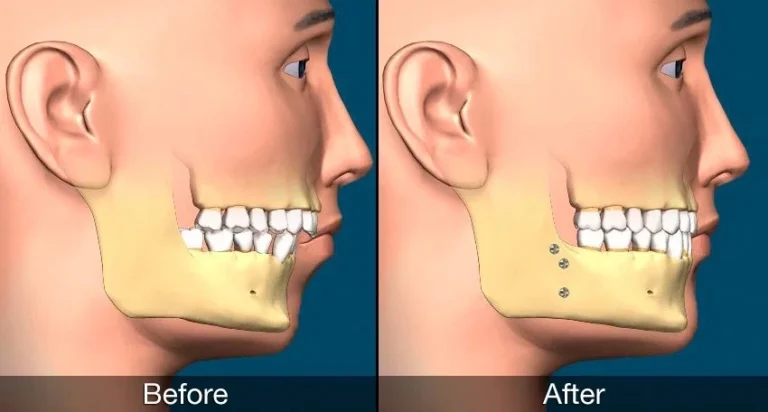
Orthodontics is a specialized field of dentistry that focuses on diagnosing, preventing, and treating dental irregularities. Understanding the types of orthodontic treatments can help you make informed decisions about your oral health. Whether you’re dealing with crowded teeth, a misaligned jaw, or bite issues, there’s likely an orthodontic solution for you. In this comprehensive guide, we will explore the most common types of orthodontic treatments that can improve your smile and boost your confidence. 1. Braces: The Traditional Treatment Braces are the most well-known orthodontic treatment and have been used for decades. They consist of metal brackets attached to your teeth and connected by wires. These components apply constant pressure to gradually move your teeth into their correct positions. While metal braces are the most common, ceramic braces are also available for a more discreet look. The process of getting braces typically starts with a consultation at Spring Hill Orthodontics. During this visit, the orthodontist will create a personalized treatment plan based on your specific needs. Braces are effective for treating a wide range of issues, including crooked teeth, overcrowding, gaps, and bite problems like overbites and underbites. 2. Invisalign: Clear Aligners for a Subtle Look Invisalign aligners are a popular alternative to traditional braces, especially for those who prefer a less noticeable treatment. These clear, removable aligners are custom-made to fit snugly over your teeth and gradually move them into place. Each set of aligners is worn for about two weeks before switching to the next set in the series. One of the key benefits of Invisalign is its convenience and aesthetics. Since the aligners are removable, you can take them out to eat, drink, brush, and floss, making it easier to maintain oral hygiene. Patients at Spring Hill Orthodontics often choose Invisalign for its discreet appearance and comfort, as there are no metal brackets or wires to irritate the mouth. 3. Lingual Braces: Hidden Behind the Teeth Lingual braces work similarly to traditional braces, but the main difference is that they are placed on the back (lingual side) of the teeth. This makes them virtually invisible when you smile or talk, providing a great option for individuals who want the effectiveness of braces without the visible hardware. This treatment requires a skilled orthodontist to ensure that the braces fit correctly behind your teeth. Lingual braces can be slightly more challenging to clean and may take some time to get used to, but they offer a hidden solution for correcting dental alignment issues. 4. Self-Ligating Braces: Faster and More Comfortable Self-ligating braces look similar to traditional braces but use clips or brackets with doors to hold the wires in place, instead of elastic bands. This system allows the braces to adjust more easily, reducing friction and making the process more comfortable for the patient. The treatment duration with self-ligating braces is often shorter compared to traditional braces. At Spring Hill Orthodontics, many patients opt for self-ligating braces because they tend to require fewer adjustments and shorter visits to the orthodontist. 5. Retainers: Maintaining the Results Retainers are an essential part of orthodontic treatment that comes into play after the braces or aligners have done their job. Their primary function is to maintain the new position of your teeth and prevent them from shifting back to their original positions. There are two main types of retainers: removable and fixed. Removable retainers are similar to Invisalign aligners, allowing you to take them out for eating and cleaning. Fixed retainers consist of a thin wire bonded to the back of your teeth. The orthodontists at Spring Hill Orthodontics will recommend the best type of retainer based on your treatment needs. 6. Palatal Expanders: Widening the Jaw For patients with a narrow upper jaw, palatal expanders can help create more space by gradually widening the jaw. This treatment is common in younger patients whose jaws are still developing. The expander fits across the roof of the mouth and applies pressure to the upper molars, slowly moving them apart. Palatal expanders can help correct crossbites and create enough room for the permanent teeth to grow in properly. At Spring Hill Orthodontics, the orthodontist will monitor the progress to ensure the expansion is happening at a safe and effective pace. 7. Headgear: Addressing Severe Bite Problems Headgear is a specialized orthodontic appliance used to correct severe bite problems and jaw misalignments. It works by applying force to the teeth and jaw to guide their growth in the right direction. While headgear is often used in conjunction with braces, it is typically recommended for patients with more complex orthodontic needs. The key to effective headgear treatment is consistency. Patients must wear it for a specified number of hours each day as advised by their orthodontist. At Spring Hill Orthodontics, personalized guidance is provided to ensure that headgear delivers the desired results. 8. Clear Braces: Aesthetic Alternative Clear braces function like traditional metal braces but with tooth-colored ceramic brackets. These braces blend with your natural teeth, making them less noticeable. Clear braces are a great option for teenagers and adults who want an effective treatment without the metallic look. Patients at Spring Hill Orthodontics often choose clear braces because they offer the same level of precision and control as metal braces while being more aesthetically pleasing. 9. Surgical Orthodontics: Correcting Jaw Irregularities Surgical orthodontics, or orthognathic surgery, is used to treat severe cases where the jaw structure needs to be corrected. This type of treatment may be necessary for patients with significant bite problems, jaw misalignments, or facial irregularities that cannot be addressed with braces or aligners alone. The process involves a combination of orthodontic treatment and jaw surgery to align the teeth and jaw properly. The team at Spring Hill Orthodontics works closely with oral surgeons to ensure the best outcomes for patients requiring surgical intervention. 10. Space Maintainers: Keeping Room for Growth Space maintainers are used in pediatric orthodontics to hold the space open for adult teeth when a child loses a baby tooth