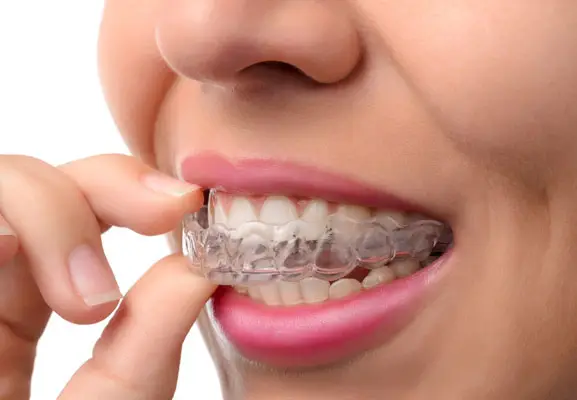
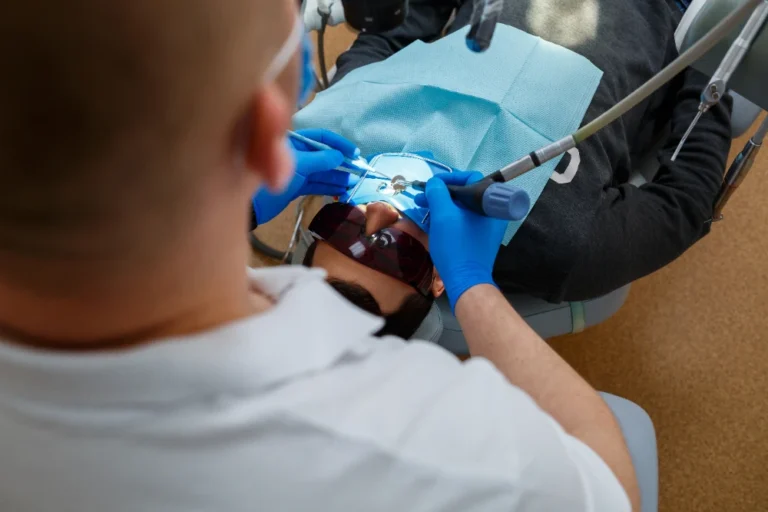
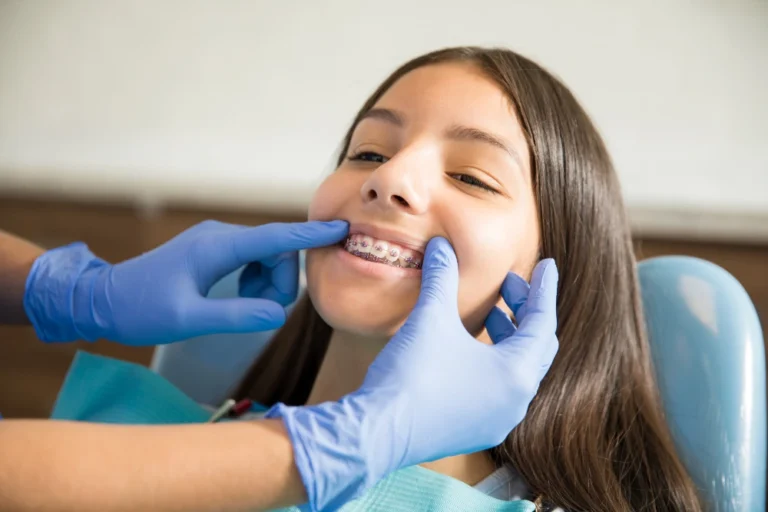
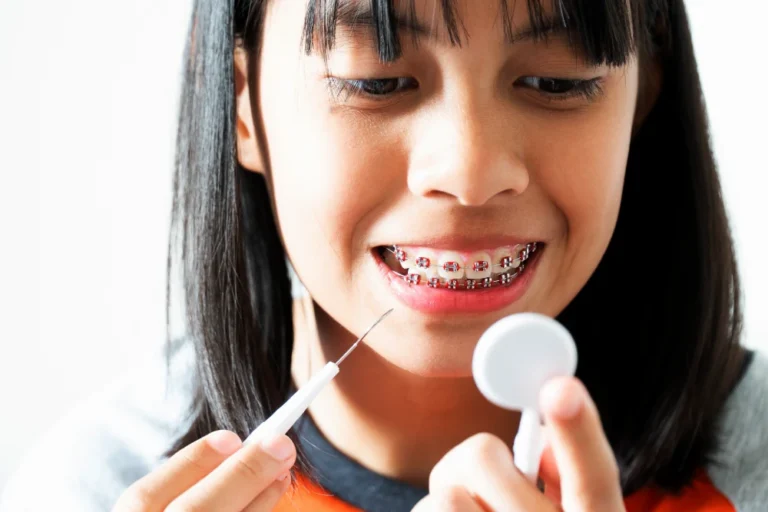
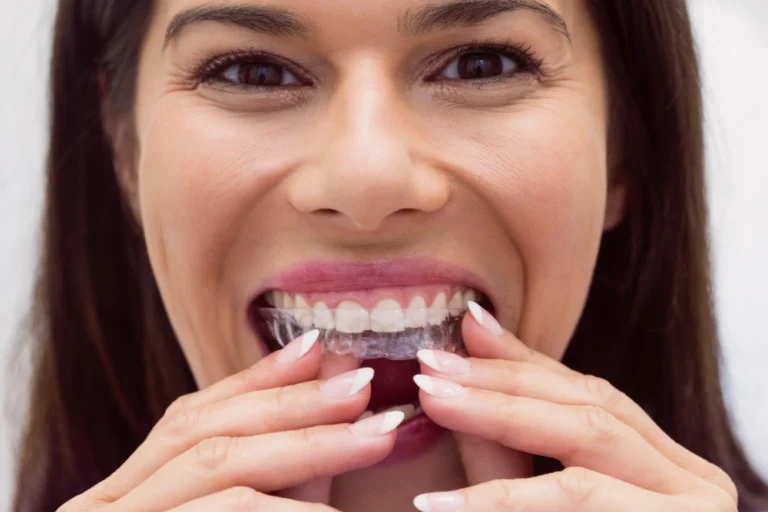
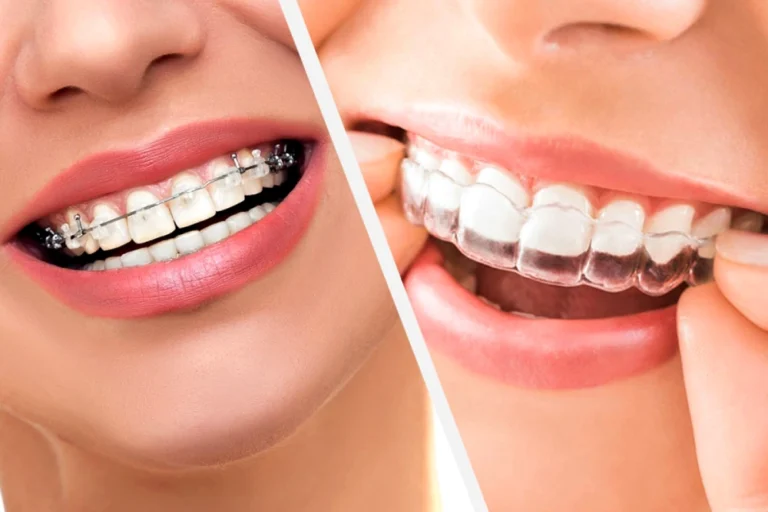
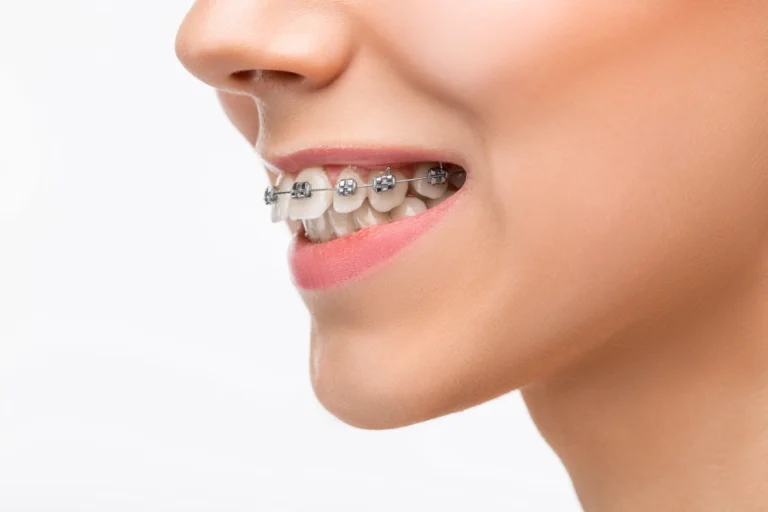
When you think of an orthodontist, what comes to mind first? Most people immediately think of braces and teeth alignment. However, there’s often a misconception that orthodontists also perform teeth cleanings like general dentists. Let’s dive into this topic to clarify the role of orthodontists, their duties, and how they collaborate with dental professionals to enhance your oral health. What Does an Orthodontist Do? Orthodontists are dental specialists who focus on correcting misaligned teeth, jaws, and bite issues. They undergo additional training beyond dental school to become experts in straightening teeth and improving oral function. Their primary tools include braces, clear aligners, and other appliances that help reposition teeth. While they play a vital role in dental care, their responsibilities differ significantly from those of general dentists. Dunedin Orthodontics emphasizes providing specialized treatment plans for each patient to ensure they achieve a healthy, straight smile. Their focus lies not on cleaning teeth but on correcting alignment issues that may otherwise lead to complications if left untreated. Differences Between Dentists and Orthodontists Understanding the distinctions between dentists and orthodontists is key to knowing when to seek their services. General dentists manage your overall dental health. They handle routine cleanings, cavity fillings, gum disease treatment, and oral hygiene advice. Orthodontists, on the other hand, focus solely on diagnosing, preventing, and treating dental and facial irregularities. Orthodontic treatment provided by Dunedin Orthodontics involves careful planning and monitoring to ensure that teeth move into their proper positions without disrupting the patient’s oral health. It is a detailed and methodical process that requires expertise in tooth movement and facial growth. Do Orthodontists Clean Teeth? The straightforward answer is no, orthodontists do not clean teeth in the same way dentists do. While they are highly skilled in their area of specialty, orthodontic treatment focuses on alignment rather than hygiene. Teeth cleanings are the domain of your general dentist or dental hygienist. Orthodontists may, however, provide valuable advice on maintaining oral hygiene, especially when you’re undergoing treatment with braces or aligners. This is because proper oral care is essential to prevent issues like plaque buildup, tooth decay, and gum disease while the appliances are in place. Importance of Good Oral Hygiene During Orthodontic Treatment Maintaining good oral hygiene becomes even more crucial when you’re wearing braces or other orthodontic appliances. These devices can make it challenging to clean your teeth properly, which is why orthodontists always stress the need to be diligent with your oral care routine. Dunedin Orthodontics often collaborates with your dentist to ensure that your teeth remain healthy throughout the treatment process. This partnership helps to prevent potential problems that could compromise the effectiveness of the orthodontic work. How Dentists and Orthodontists Work Together Though their roles are different, dentists and orthodontists often work in tandem to deliver comprehensive dental care. Your general dentist provides regular cleanings and check-ups to ensure your teeth and gums remain healthy, while your orthodontist focuses on moving your teeth into the correct position. If you’re undergoing treatment with Dunedin Orthodontics, it’s essential to continue visiting your general dentist for regular cleanings and examinations. This collaboration ensures that while your teeth are being straightened, they also remain free from decay and other dental issues. The Role of Dental Hygienists in Orthodontic Care Dental hygienists are an integral part of your oral care team, especially when you’re wearing braces. They perform deep cleanings to remove plaque and tartar that can accumulate around brackets and wires. Regular visits to your dental hygienist will help maintain the health of your teeth and gums, reducing the risk of developing cavities or gum disease during orthodontic treatment. Orthodontists from Dunedin Orthodontics recommend scheduling these cleanings at least twice a year or more frequently if your dental professional advises. Proper dental hygiene ensures that your orthodontic treatment progresses smoothly and efficiently. Common Oral Hygiene Challenges with Braces Braces come with their own set of challenges when it comes to keeping your teeth clean. Food particles can easily get stuck in the brackets and wires, leading to plaque buildup. This can cause tooth discoloration, decay, or gum inflammation if not addressed properly. Here are some tips to maintain your oral hygiene while undergoing treatment: Following these tips will help you maintain a bright and healthy smile, even while your teeth are being realigned by Dunedin Orthodontics. Aligners and Oral Hygiene Clear aligners, such as Invisalign, have made orthodontic treatment more convenient and less conspicuous. Unlike traditional braces, aligners are removable, which makes cleaning your teeth much easier. However, you still need to follow a consistent oral hygiene routine. It’s important to clean your aligners every time you brush your teeth. This prevents bacteria from building up inside the aligner trays, which can cause tooth decay or bad breath. Orthodontists at Dunedin Orthodontics recommend cleaning aligners with a soft toothbrush and lukewarm water. Why Oral Health Is a Priority for Orthodontic Patients Good oral health is critical during orthodontic treatment because any dental issues can interfere with your progress. Problems like cavities or gum disease could delay your treatment or affect the final results. Dunedin Orthodontics places a high emphasis on patient education regarding oral hygiene. They ensure that patients understand the importance of maintaining their dental health throughout the treatment process to achieve the best possible outcomes. Post-Orthodontic Treatment Care Once your orthodontic treatment is complete, it’s essential to continue practicing good oral hygiene habits. This includes regular visits to your dentist for cleanings and check-ups. Even though your teeth are now straight, they still require care to keep them in optimal condition. Retainers are usually part of the post-treatment plan to help maintain the new alignment of your teeth. Cleaning your retainer is just as important as brushing your teeth, as it can harbor bacteria if not properly maintained. The Role of Orthodontists vs. Dentists: A Closer Look While both orthodontists and dentists work to improve oral health, their areas of expertise are different yet complementary. Understanding these distinctions can help patients make informed
Best Age for Braces: Ideal Timing for a Perfect Smile
Braces have become an essential part of orthodontic care, helping individuals of all ages achieve a healthier, straighter smile. The question of when to get braces is common for parents and individuals considering treatment. Understanding the best age for braces can lead to better outcomes and a more comfortable treatment experience. In this comprehensive guide, we will explore the most suitable age for braces and why timing matters in orthodontic care. Understanding Orthodontic Treatment Orthodontics is a branch of dentistry that focuses on diagnosing, preventing, and treating dental and facial irregularities. Braces are the most common form of orthodontic treatment, used to align teeth, fix bite issues, and improve overall oral health. Treatment often starts during childhood or adolescence, but adults can also benefit from braces. Knowing when to begin can help ensure a smoother and faster treatment journey. Why Age Matters for Braces The age at which a person gets braces can significantly impact the effectiveness of treatment. Children’s and adolescents’ teeth and jawbones are still growing, making them more responsive to orthodontic interventions. Adults, on the other hand, may experience a longer treatment time because their bones have fully developed. Early intervention can also prevent more serious issues later in life. Best Age Range for Braces Ages 7-10: Early Assessment The American Association of Orthodontists recommends that children have their first orthodontic evaluation by the age of seven. At this age, the child’s mouth has a mix of baby teeth and permanent teeth, which allows the orthodontist to identify potential problems early. Early assessments can reveal issues like crowding, crossbites, or jaw misalignment. Although braces may not be needed immediately, this initial check-up sets the stage for future orthodontic care. Ages 11-14: The Most Common Age for Braces The ideal time to get braces is usually between the ages of 11 and 14. During these years, most of the permanent teeth have erupted, but the mouth and jaw are still growing. This period is optimal for orthodontic treatment because it allows for easy manipulation of the teeth and jaw. Braces can guide the teeth into their correct positions more effectively when the growth rate is at its peak. During this age, children and teens are also more adaptable to the changes that come with wearing braces. They tend to recover faster from any discomfort and can easily adjust their oral hygiene routines to accommodate braces. Spring Hill Orthodontics provides customized braces options that cater to the specific needs of pre-teens and teenagers, ensuring effective results and a comfortable experience. Ages 15-18: Late Teen Years Teens between the ages of 15 and 18 can also successfully undergo orthodontic treatment, although they may experience a slightly longer treatment period compared to younger adolescents. The jaw and teeth are still growing, but at a slower rate. Braces can still be effective, but it’s essential to follow the orthodontist’s instructions closely to achieve the best results. At this stage, teenagers may become more conscious about their appearance. Clear braces or Invisalign might be preferred options for those who want a more discreet treatment. Spring Hill Orthodontics offers a variety of braces that cater to both aesthetic preferences and orthodontic needs, providing solutions that fit seamlessly into a teenager’s lifestyle. Braces for Adults: Is It Too Late? Many adults believe that they have missed their chance for braces, but this is not the case. Orthodontic technology has advanced significantly, making it possible for adults to achieve excellent results. Adults may need braces for various reasons, such as correcting bite issues, closing gaps, or aligning crooked teeth that were never addressed in their youth. Benefits of Getting Braces as an Adult Adults who choose braces can still experience a range of benefits, including improved oral health and a boost in self-confidence. However, the treatment time might be longer because the jawbone has stopped growing, making it less malleable. Orthodontists might recommend other corrective procedures alongside braces to achieve the desired results in adults. Braces for adults come in a variety of styles, from traditional metal braces to clear aligners like Invisalign. The choice depends on the individual’s needs, budget, and preference for a less visible treatment option. Factors Influencing the Best Age for Braces 1. Growth and Development One of the main factors influencing the best age for braces is the growth and development of the jaw and teeth. Orthodontic treatments rely on the movement of teeth within the bone, which is easier when the jaw is still growing. Early teens are at an advantage because their bone structures are more flexible. 2. Severity of Dental Issues The complexity of the dental problem also plays a role in determining the best time for braces. Severe bite issues or misalignment might require treatment as early as possible to prevent complications. For minor corrections, waiting until more permanent teeth are in place could be more appropriate. 3. Emotional Readiness Wearing braces requires a commitment to maintaining oral hygiene and attending regular appointments. Children and teenagers should be emotionally ready to handle the responsibilities that come with braces. Being prepared can make the treatment process smoother and more effective. Preparing for Braces: What to Expect Before getting braces, it’s essential to consult with an orthodontist to understand the process. During the consultation, the orthodontist will assess the teeth, jaw, and facial structure using X-rays and models. This evaluation helps in creating a personalized treatment plan. The Fitting Process The fitting process is straightforward and usually painless. The orthodontist will place brackets on the teeth and thread a wire through them to create the framework that will guide the teeth into alignment. Regular adjustments are needed to ensure the teeth move correctly. Braces Care Tips Maintaining proper care of braces is crucial for achieving the best results. Here are some essential tips for taking care of your braces: Spring Hill Orthodontics emphasizes the importance of consistent care and offers guidance on maintaining good oral hygiene throughout the treatment process. The Importance of Retainers After Braces After braces
Can Orthodontists Remove Gum?
If you’ve ever faced the sticky situation of gum getting stuck in your braces or teeth, you’re not alone. Gum can be a real nuisance, especially if it adheres to dental appliances like braces. In such cases, many people wonder if orthodontists can help with removing gum or if it’s better to consult a dentist. In this article, we will answer the question: can an orthodontist remove gum? We will also look into when it might be necessary to see a professional for this problem. Understanding the Role of an Orthodontist Orthodontists specialize in correcting irregularities of the teeth and jaws. They primarily focus on diagnosing, preventing, and treating dental and facial abnormalities. Their work is different from that of a dentist. While dentists handle a broad range of oral health issues, orthodontists specifically focus on alignment problems like braces, retainers, and jaw issues. When it comes to removing gum from your teeth or braces, it might seem unusual to consult an orthodontist. However, their skills and knowledge can sometimes come in handy for such situations. Why Gum Removal Matters? Gum stuck in braces or teeth isn’t just an inconvenience; it can also lead to complications if not dealt with properly. The sticky residue from gum can attract bacteria, which can cause decay, plaque buildup, and gum disease. In severe cases, it can even cause issues with the movement of braces, delaying your orthodontic treatment. Proper gum removal is crucial to maintaining good oral hygiene and ensuring that your braces or other orthodontic appliances work effectively. Can an Orthodontist Remove Gum? Yes, an orthodontist can help in removing gum, particularly if it has adhered to your braces or orthodontic devices. Unlike a general dentist, who might focus on overall oral health and cavity prevention, an orthodontist understands the delicate nature of braces and how to handle situations where gum interferes with orthodontic treatments. However, it’s important to note that not all cases of gum removal require a visit to an orthodontist. In minor cases where the gum is only slightly stuck, there are home remedies that can be quite effective. But if the gum is deeply embedded in your braces, it’s best to let a professional handle it to avoid damaging your orthodontic appliances. Steps to Take Before Visiting the Orthodontist Before rushing to your orthodontist for gum removal, you can try a few safe methods at home. Here are some steps you can take to handle the situation: When to See an Orthodontist for Gum Removal While minor cases of gum stuck in your braces can be handled at home, there are certain situations where you should definitely consult your orthodontist: The Expertise of Orthodontists in Handling Braces Orthodontists like those at Trinity Orthodontist specialize in the care and maintenance of braces. Their training equips them to handle tricky situations like removing stubborn gum without compromising your orthodontic treatment. While it might seem like a dentist is the go-to person for gum issues, an orthodontist’s expertise is invaluable in cases where gum affects braces or similar devices. Trinity Orthodontist professionals are trained to delicately manage such problems, ensuring that your braces stay intact and effective throughout your treatment. How Orthodontists Remove Gum Safely When you visit an orthodontist for gum removal, they will usually follow a methodical approach to ensure that your braces or orthodontic devices are not damaged. Here’s what you can expect: Preventing Gum from Getting Stuck in Your Braces Preventing gum from getting stuck in your braces is the best way to avoid this hassle altogether. Here are a few tips to help you keep your braces gum-free: The Differences Between Dentists and Orthodontists in Gum Removal Understanding the distinction between dentists and orthodontists is crucial when considering the best option for gum removal. While both professionals are trained to care for your oral health, their expertise varies significantly: While dentists can certainly help with gum removal from your teeth, consulting an orthodontist like those at Trinity Orthodontist is the better choice if your braces are involved. Their skill in handling braces ensures that the process is done delicately and efficiently. Why Avoid Chewing Gum With Braces? Many orthodontists advise their patients to avoid chewing gum entirely while undergoing treatment with braces, and there are several reasons for this recommendation: Safe Alternatives to Chewing Gum for Fresh Breath If you’re concerned about fresh breath but want to avoid chewing gum while you have braces, there are several braces-friendly alternatives you can consider: The Importance of Regular Orthodontic Check-Ups Routine visits to your orthodontist play a crucial role in the success of your treatment, especially if you encounter issues like gum getting stuck in your braces. Regular check-ups with professionals like those at Trinity Orthodontist ensure that any minor problems are caught early before they can escalate into more serious issues. Benefits of Regular Orthodontic Visits: Common Misconceptions About Orthodontists and Gum Removal There are several misconceptions surrounding orthodontists and their ability to handle issues like gum removal. Let’s address some of the most common myths: Myth 1: Orthodontists Only Handle Teeth Straightening Many people believe that orthodontists only deal with aligning teeth and jaws. However, they also have the expertise to handle various problems involving your braces and dental appliances. If gum gets stuck in your braces, an orthodontist is well-equipped to remove it safely without disrupting your treatment. Myth 2: Only a Dentist Can Remove Gum from Teeth While dentists are skilled in treating general oral health issues, orthodontists have specialized knowledge of the appliances they work with. When gum is involved with braces, it’s best to consult your orthodontist, as they have the tools and training to manage the situation without compromising your braces. Myth 3: Gum Removal by Orthodontists Is Costly Many patients assume that visiting an orthodontist for gum removal will be expensive. In reality, the cost is often quite reasonable, especially when you consider the potential damage that could be caused by attempting to remove the gum yourself. The expertise
What Does an Orthodontist Do Besides Braces?
When people think of orthodontists, braces often come to mind. However, orthodontists do much more than just fit metal brackets on teeth. They specialize in diagnosing, preventing, and treating dental and facial irregularities. In this article, we’ll explore the diverse range of treatments that orthodontists offer beyond braces, from aligners and retainers to surgical options. If you’ve ever wondered what else an orthodontist does, you’re in the right place. The Role of an Orthodontist: More Than Just Braces Orthodontists focus on improving oral health and the functionality of teeth and jaws. While braces are the most well-known treatment, orthodontists have a wide array of tools and techniques to help patients achieve a healthy smile. Understanding these options can make a huge difference in your dental health journey. 1. Clear Aligners: The Modern Alternative to Braces One of the most popular alternatives to traditional braces is clear aligners. These transparent, removable trays are custom-made to fit your teeth and gradually move them into the desired position. Unlike braces, they offer a discreet way to straighten teeth without metal wires or brackets. Clear aligners are especially popular among adults and teenagers who want a more aesthetic solution to correct their smiles. They require discipline since they must be worn for at least 20-22 hours a day for optimal results. The orthodontist typically creates a new set of aligners every few weeks to continue guiding the teeth into proper alignment. 2. Retainers: Maintaining That Perfect Smile Once you’ve gone through the process of braces or clear aligners, the next step usually involves a retainer. Retainers help keep your teeth in their new positions and prevent them from shifting back to their original alignment. They come in two main types: fixed and removable. 3. Space Maintainers: Guiding Growing Teeth For children, orthodontists often use space maintainers to ensure that adult teeth grow in properly. When a child loses a baby tooth prematurely, the surrounding teeth can shift into the empty space, leading to issues with the alignment of the new tooth. A space maintainer holds the space open, allowing the permanent tooth to emerge correctly. Space maintainers are a preventive tool that reduces the need for more extensive orthodontic treatment later in life. They can be either fixed or removable, depending on the individual needs of the patient. 4. Orthodontic Appliances for Jaw Correction Orthodontists also use various appliances to address jaw-related issues like overbites, underbites, and crossbites. These problems often require a combination of dental devices that gradually adjust the jaw’s position. 5. Surgical Orthodontics: Advanced Treatment for Severe Cases In cases where misalignment is severe and cannot be corrected with braces or other orthodontic devices, surgical orthodontics may be necessary. This type of surgery focuses on correcting abnormalities in the jawbone structure that affect the bite and facial symmetry. Surgical orthodontics is usually performed in conjunction with other orthodontic treatments, like braces or aligners, to achieve the best possible outcome. The orthodontist works closely with an oral surgeon to ensure that the procedure aligns the jaw correctly. Beyond Straightening: Orthodontists’ Role in Facial Symmetry and Aesthetics An orthodontist’s work goes beyond just straightening teeth. They play a crucial role in enhancing facial symmetry and aesthetics. The position of your teeth and jaws can significantly impact the appearance of your face. Orthodontic treatments can improve your smile, enhance your facial profile, and even contribute to better speech and chewing functionality. Orthodontists often collaborate with cosmetic dentists and other specialists to develop comprehensive treatment plans that address both functional and aesthetic concerns. This multidisciplinary approach ensures that patients receive holistic care tailored to their unique needs. The Psychological Impact of Orthodontic Treatment The benefits of orthodontic care extend beyond physical health. Improved self-esteem and confidence are common psychological outcomes for patients undergoing orthodontic treatment. A well-aligned smile can enhance social interactions, increase self-assurance, and positively influence one’s professional and personal life. For teenagers and adults alike, having a smile they feel proud of can lead to a significant boost in overall well-being and mental health. It’s not just about aesthetics; it’s about how you feel when you present yourself to the world. 6. Preventive Orthodontics: Interceptive Treatments for Children Preventive orthodontics focuses on identifying and addressing potential dental issues before they become significant problems. For children, early detection of misalignment or jaw growth issues allows the orthodontist to intervene with interceptive treatments that can guide proper dental development. Techniques like space maintainers, palatal expanders, and partial braces may be used to prevent more serious issues from developing as the child grows. The goal is to minimize or eliminate the need for extensive orthodontic work in the future. How Orthodontists Work with Other Dental Professionals Orthodontists frequently collaborate with other dental specialists to provide comprehensive care. This team approach ensures that all aspects of a patient’s oral health are addressed. Whether it’s a pediatric dentist managing early childhood dental concerns or an oral surgeon handling complex jaw issues, an orthodontist’s role is integral to the overall treatment plan. Working together with general dentists, cosmetic dentists, periodontists, and other specialists, orthodontists ensure that every patient receives customized care tailored to their specific needs. This multidisciplinary strategy enhances the patient’s experience and optimizes treatment outcomes. 7. Managing TMJ Disorders: Relief from Jaw Pain Orthodontists also play a significant role in diagnosing and treating temporomandibular joint (TMJ) disorders. These conditions can cause jaw pain, headaches, and difficulty in chewing. By realigning the bite and adjusting the position of the jaw, orthodontic treatment can alleviate the discomfort associated with TMJ disorders. Splints, night guards, and braces are among the common treatments used to address TMJ issues. The aim is to reduce stress on the joint and improve jaw function, providing patients with long-term relief. 8. Treating Sleep Apnea with Orthodontic Solutions Sleep apnea is a condition characterized by interrupted breathing during sleep. In some cases, the positioning of the jaw and tongue plays a significant role in obstructing the airway. Orthodontists can offer solutions such as oral appliances
What is the Difference Between a Dentist and an Orthodontist?
Maintaining oral health is essential for overall well-being, and the world of dental care includes various professionals with specialized expertise. Two key types of dental healthcare providers are dentists and orthodontists. While both play crucial roles in ensuring proper oral hygiene and addressing dental issues, their areas of focus, training, and treatments differ significantly. Many people may wonder: What exactly is the difference between a dentist and an orthodontist? Knowing these distinctions can help you make informed decisions about when and why to seek care from each professional. Whether you’re dealing with routine dental cleanings, cavities, or more complex issues like misaligned teeth, understanding the expertise that each specialist offers will be valuable. In this article, we’ll dive into the roles and responsibilities of both dentists and orthodontists, explore the similarities and differences between them, and provide guidance on when it’s appropriate to consult each. Let’s break down the specifics to give you a clearer picture of what these professionals do. The Role of a General Dentist A general dentist is a primary oral healthcare provider who offers a broad range of dental services to people of all ages. Dentists are responsible for maintaining oral hygiene, preventing dental diseases, and treating various oral conditions. Education and Training Dentists must complete extensive training to obtain a Doctor of Dental Surgery (DDS) or Doctor of Dental Medicine (DMD) degree, which usually requires four years of dental school following a bachelor’s degree. During dental school, students receive hands-on experience in treating patients, learning everything from diagnosing oral diseases to performing dental procedures like fillings, extractions, and root canals. Services Provided by Dentists Dentists focus on the overall health of your teeth, gums, and mouth. The range of services they provide includes: General dentists are typically the first point of contact for oral health issues, and they can diagnose and treat a variety of conditions or refer patients to specialists like orthodontists when necessary. The Role of an Orthodontist Orthodontists are specialists who focus specifically on diagnosing, preventing, and correcting misaligned teeth and jaws. Their work often involves designing, applying, and managing corrective treatments to straighten teeth and ensure proper alignment. Education and Training Orthodontists undergo additional years of specialized training beyond dental school. After completing a DDS or DMD, orthodontists must participate in a residency program, which typically lasts two to three years. This program focuses exclusively on orthodontics, providing intensive training in treating dental and facial irregularities. Services Provided by Orthodontists While general dentists provide a wide array of dental services, orthodontists focus solely on issues related to tooth alignment, bite correction, and jaw structure. The treatments they offer include: Orthodontists work closely with patients over extended periods, often requiring regular visits to monitor progress and make necessary adjustments. Their expertise lies in transforming crooked, crowded, or misaligned teeth into a properly aligned and functional bite. Key Differences Between Dentists and Orthodontists Although dentists and orthodontists are both essential for maintaining oral health, their roles differ significantly. Here are the key distinctions between them: When to Visit a Dentist vs. an Orthodontist? Knowing when to visit a dentist or an orthodontist is crucial for receiving the appropriate care. Here’s a general guide to help you decide which professional to consult for specific oral health issues. When to See a Dentist When to See an Orthodontist The Overlap Between Dentists and Orthodontists In some cases, the roles of dentists and orthodontists overlap. For example, while dentists primarily handle general oral health, some may offer limited orthodontic services like Invisalign. However, for complex cases involving significant misalignment or jaw irregularities, it’s best to consult an orthodontist. Dentists and orthodontists often collaborate, particularly when patients need both general dental care and specialized orthodontic treatment. This partnership ensures comprehensive care for patients, addressing both the health and function of their teeth. Even if you’re undergoing orthodontic treatment, it’s essential to continue regular check-ups with your general dentist. Orthodontists focus on alignment and bite correction, but they do not perform cleanings or address cavities. Regular visits to your dentist will help prevent tooth decay, gum disease, and other oral health issues that can arise during orthodontic treatment. Your dentist and orthodontist can work together to ensure that your teeth remain healthy throughout your orthodontic journey. Regular cleanings and exams help catch potential problems early, making it easier to address them before they affect your overall treatment plan. How To Choose the Right Professional for Your Needs? Both dentists and orthodontists are vital in maintaining oral health, but their areas of expertise differ. Dentists focus on general dental care, including preventive services and treatment of tooth and gum issues. Orthodontists specialize in correcting misaligned teeth and jaw problems, ensuring proper function and aesthetics. When it comes to your oral health, knowing when to see a dentist and when to see an orthodontist is key to getting the best possible care. Here are a few factors to consider when making that decision: It’s also important to understand that dentists and orthodontists often work together to ensure that you receive comprehensive care. Your dentist can provide essential preventive services, while your orthodontist can address the structural alignment of your teeth and jaws. By understanding the differences between these two professionals, you can take better care of your oral health and make informed decisions about the treatments you need. Oral health is not just about having a bright, healthy smile; it plays a critical role in our overall physical health. Poor oral hygiene and untreated dental issues can lead to a range of health problems, including heart disease, diabetes, respiratory infections, and even pregnancy complications. For this reason, visiting a dentist or orthodontist when necessary becomes an integral part of maintaining holistic health. A dentist is your go-to professional for ensuring your teeth and gums are healthy. On the other hand, an orthodontist helps ensure that your teeth are properly aligned, which can have a significant impact on your oral and overall health. A misaligned bite can lead to problems
Everything You Need to Know About Orthodontists
Orthodontics is a specialized branch of dentistry that focuses on diagnosing, preventing, and treating dental and facial irregularities. Orthodontists play a critical role in ensuring that teeth and jaws are properly aligned, improving both aesthetics and function. Whether it’s correcting a crooked smile or addressing bite issues, orthodontists help people achieve healthier, more beautiful smiles. In this comprehensive guide, we’ll walk you through everything you need to know about orthodontists, their treatments, and how they contribute to overall dental health. If you’re searching for a Winter Haven orthodontist, this article will also provide insights into why orthodontic care in this area is top-notch. Who is an Orthodontist? Orthodontists are dental specialists who have undergone additional training beyond dental school. After earning a degree in general dentistry, orthodontists pursue several more years of education and residency in orthodontics. This specialized training enables them to focus on diagnosing and correcting misaligned teeth, improper bites, and jaw irregularities. Their expertise extends beyond cosmetic issues; they also address functional concerns that can impact a person’s ability to chew, speak, and maintain oral hygiene. Orthodontists use various methods and tools, including braces, retainers, aligners, and more advanced techniques, to help align teeth and jaws into their proper position. How Do Orthodontists Differ from Dentists? While both dentists and orthodontists work to improve oral health, their focus and training are different. Dentists provide a broad range of services, including cleanings, fillings, extractions, and overall dental care. Orthodontists, on the other hand, focus solely on correcting teeth and jaw alignment. General dentists may refer patients to an orthodontist when they identify issues that require specialized treatment. Although some general dentists offer orthodontic treatments like Invisalign, an orthodontist is usually better equipped to handle more complex alignment issues and long-term treatment plans. Common Orthodontic Problems Orthodontists treat a variety of dental and facial problems, many of which involve misalignment of the teeth or jaw. Here are some of the most common issues orthodontists address: 1. Crowded Teeth When there isn’t enough space in the mouth for all teeth to fit properly, it can lead to crowding. Crowded teeth can overlap or rotate, making it difficult to clean between them. This increases the risk of cavities and gum disease. 2. Overbite An overbite occurs when the upper front teeth overlap significantly over the lower front teeth. This can cause excessive wear on the lower teeth, jaw pain, and even lead to speech issues if left untreated. 3. Underbite An underbite happens when the lower teeth extend beyond the upper teeth. This condition can cause chewing difficulties, speech problems, and jaw pain. 4. Crossbite A crossbite occurs when some of the upper teeth fit inside the lower teeth rather than on the outside. This can affect the appearance of the smile and lead to uneven wear on the teeth. 5. Open Bite An open bite happens when there is a gap between the upper and lower teeth when the jaws are closed. This condition can cause speech issues and difficulty chewing. 6. Spacing Some people have gaps between their teeth due to missing teeth or unusually large spaces. While this can be a cosmetic issue, it can also affect how the bite functions. What Orthodontic Treatments are Available? Orthodontic treatments have evolved significantly over the years, offering patients a wide range of options based on their specific needs. The most common treatments include: 1. Traditional Braces Traditional metal braces are one of the most common and effective treatments for correcting teeth alignment. These braces consist of metal brackets attached to the teeth and connected by wires. Over time, these wires are adjusted to gently move the teeth into their proper positions. 2. Ceramic Braces Ceramic braces work similarly to traditional braces but use clear or tooth-colored brackets, making them less noticeable. They are a popular option for adults and teens who want a more discreet treatment while still achieving excellent results. 3. Clear Aligners Clear aligners, such as Invisalign, have become an increasingly popular option for both teens and adults. These custom-made, removable trays gradually shift teeth into alignment. Aligners are nearly invisible and allow patients to eat and clean their teeth with ease, making them a convenient and aesthetic option. 4. Lingual Braces Lingual braces are similar to traditional braces but are placed on the inside surface of the teeth, making them invisible from the outside. While they offer a discreet option for orthodontic treatment, they can be more difficult to clean and may take longer to adjust to. 5. Retainers Retainers are often used after the completion of orthodontic treatment to maintain the new position of the teeth. They can be removable or fixed and are an essential part of preventing teeth from shifting back into their previous positions. The Benefits of Orthodontic Treatment Orthodontic treatments offer a wide range of benefits beyond just achieving a straighter smile. These include: 1. Improved Oral Health Misaligned teeth can be more difficult to clean, leading to plaque buildup, cavities, and gum disease. By correcting alignment issues, orthodontic treatment makes it easier to maintain good oral hygiene. 2. Better Function Correcting bite issues like overbite or underbite can improve your ability to chew, speak, and breathe more effectively. Proper jaw alignment can also reduce strain on the jaw muscles and joints, alleviating pain or discomfort. 3. Enhanced Appearance Orthodontic treatments improve the appearance of your smile, boosting your self-esteem and confidence. A straight, well-aligned smile can enhance both your personal and professional life. 4. Prevention of Further Issues Correcting misalignment early on can prevent more serious dental issues down the line. For example, addressing crowding can reduce the risk of cavities and gum disease, while correcting bite issues can prevent premature wear on the teeth. When Should You See an Orthodontist? It’s recommended that children visit an orthodontist around the age of 7, as this is when permanent teeth begin to emerge. Early visits allow orthodontists to identify potential problems and develop a treatment plan to guide the growth of
10 Tips for Choosing the Right Orthodontist in Brandon, FL
Selecting the right orthodontist can significantly impact your dental health, confidence, and overall experience during the treatment process. Orthodontic treatment is often a long-term commitment, so it’s crucial to find a professional who not only meets your dental needs but also provides a comfortable and welcoming environment. If you are looking for an orthodontist in Brandon, FL, this comprehensive guide will provide you with 10 essential tips to help you make an informed decision. 1. Start with Recommendations and Research One of the best ways to begin your search for an orthodontist is by asking for recommendations from people you trust. Friends, family members, and even your general dentist can provide valuable insights based on their experiences. Online reviews and testimonials can also offer a broader perspective on the quality of service provided by local orthodontists. Make a list of potential candidates and conduct some preliminary research to learn more about their credentials, services, and patient experiences. Why Recommendations Matter Recommendations from trusted sources give you a sense of the orthodontist’s reputation and the level of care they provide. A positive word-of-mouth referral often indicates that the orthodontist has a track record of satisfied patients and successful treatments. Online Reviews and Testimonials Websites like Google, Yelp, and Healthgrades offer platforms where patients share their experiences. Look for consistent feedback regarding the orthodontist’s professionalism, the office environment, and treatment outcomes. Pay attention to how the orthodontist responds to both positive and negative reviews, as this can give you an idea of their approach to patient care and communication. 2. Verify Credentials and Experience Orthodontic treatment requires specialized training beyond dental school. To ensure you’re in good hands, verify the credentials of any orthodontist you’re considering. They should be board-certified and have the appropriate licenses to practice in your state. You can typically find this information on their website or by contacting the office directly. Board Certification Board certification by the American Board of Orthodontics (ABO) is an important indicator of an orthodontist’s expertise and commitment to maintaining high standards of practice. Board-certified orthodontists undergo rigorous testing and must demonstrate their knowledge and skills through clinical case presentations. Years of Experience Experience matters, especially for complex orthodontic cases. An orthodontist with many years of practice is likely to have encountered a wide range of scenarios, making them better equipped to handle unique or challenging cases. Inquire about the orthodontist’s experience with the specific treatment options you’re considering, such as traditional braces, Invisalign, or other orthodontic appliances. 3. Consider the Range of Services Offered Orthodontic treatment is not one-size-fits-all. Different patients have different needs, and the right orthodontist should offer a range of services to meet those needs. Common orthodontic services include traditional metal braces, ceramic braces, Invisalign, lingual braces, and early interceptive treatments for children. Treatment Options Ask potential orthodontists about the treatment options they provide and which ones might be suitable for your case. A comprehensive consultation can help you understand the pros and cons of each option, the expected treatment duration, and the associated costs. Advanced Technology and Techniques Inquire about the technology and techniques used in the practice. Orthodontists who invest in advanced technology, such as digital imaging, 3D scanning, and computer-assisted treatment planning, can offer more precise and efficient treatment options. 4. Evaluate the Orthodontist’s Communication Style Effective communication between you and your orthodontist is key to a successful treatment experience. During your initial consultation, pay attention to how the orthodontist interacts with you. Do they take the time to explain your diagnosis and treatment options clearly? Are they willing to answer all your questions? Do they make you feel comfortable and confident in their care? Patient Education A good orthodontist will prioritize patient education, ensuring that you understand every aspect of your treatment plan. They should provide clear explanations of the treatment process, what to expect at each stage, and how to care for your teeth and braces during treatment. Availability and Responsiveness Consider the orthodontist’s availability and how easy it is to reach them in case of an emergency or if you have questions between appointments. An orthodontist who is responsive and accessible can make the treatment process more convenient and less stressful. 5. Assess the Office Environment The environment of the orthodontic office can significantly impact your overall experience. A clean, modern, and well-organized office reflects a practice that values patient comfort and safety. During your visit, observe the atmosphere of the office, the friendliness of the staff, and the efficiency of their processes. Cleanliness and Safety Make sure the office follows strict cleanliness and safety protocols, especially in the wake of increased health concerns. The use of personal protective equipment (PPE), regular sanitization, and well-maintained equipment are all signs of a practice that prioritizes patient safety. Friendly and Professional Staff The staff’s attitude and professionalism are crucial, as they will be your point of contact for scheduling, billing, and other administrative matters. A welcoming and helpful team can enhance your experience and make the treatment process smoother. 6. Consider Location and Office Hours Orthodontic treatment often requires regular visits, so choosing an office that is conveniently located and has flexible hours is important. Consider how easy it will be for you to get to the office from your home, work, or school. Flexible office hours, such as evening or weekend appointments, can be a significant advantage, especially for busy families and professionals. Proximity to Home or Work A nearby office can save you time and reduce the inconvenience of travel, particularly for frequent adjustments and check-ups. It’s worth considering an orthodontist who is centrally located in Brandon, FL, for easy access. Flexible Scheduling Ask about the office’s scheduling policies and whether they can accommodate your needs. Orthodontic treatment can take several months or even years, so it’s essential to choose a practice that offers appointment times that fit your schedule. 7. Understand the Cost and Payment Options Orthodontic treatment can be a significant investment, so it’s important to have a clear understanding of
Why Should You Visit an Orthodontist in Brandon, FL?
When it comes to maintaining a healthy and beautiful smile, orthodontic care is essential. While many people associate orthodontists with braces for teenagers, the reality is that they offer a wide range of services for all ages, from children to adults. If you are considering orthodontic treatment or have been recommended to see an orthodontist in Brandon, FL, it’s important to understand the benefits and impact it can have on your overall well-being. This article explores why visiting an orthodontist is crucial, what to expect during your visit, and how specialized care can make a significant difference in your life. Understanding the Role of an Orthodontist Orthodontists are dental specialists trained to diagnose, prevent, and treat dental and facial irregularities. They undergo additional years of specialized training after dental school to understand the intricacies of tooth movement and facial development. Their expertise goes beyond general dentistry, focusing on correcting misaligned teeth, improper bites, and other jaw-related issues. Orthodontic treatment is not just about aesthetics; it also plays a critical role in maintaining oral health. Misaligned teeth and bite issues can lead to several complications, including: Orthodontic treatment can help address these issues, providing both functional and aesthetic benefits. Benefits of Visiting an Orthodontist 1. Personalized Treatment Plans Every smile is unique, and so are every patient’s orthodontic needs. Orthodontists in Brandon, FL, offer personalized treatment plans tailored to address the specific concerns of each patient. Whether you need traditional braces, clear aligners, or specialized appliances, an orthodontist can recommend the best treatment options to achieve optimal results. 2. Advanced Technology and Techniques Modern orthodontics has come a long way from the days of bulky metal braces. Today, orthodontists utilize advanced technology and innovative techniques to make treatments more effective, comfortable, and discreet. Options like Invisalign, clear braces, and self-ligating braces are popular choices for those seeking less noticeable treatments. Orthodontists in Brandon, FL, stay updated with the latest advancements to provide the best care possible. 3. Comprehensive Care for All Ages Orthodontic treatment is not limited to teenagers. Adults and children can also benefit from visiting an orthodontist. Early intervention for children can prevent more severe problems in the future, while adults can improve their smiles and oral health at any age. Orthodontists in Brandon, FL, are experienced in treating patients of all ages, ensuring everyone can achieve a healthy and beautiful smile. 4. Improved Oral Health Straight teeth are easier to clean and maintain, reducing the risk of cavities and gum disease. Orthodontic treatment can help correct alignment issues that make oral hygiene challenging. By addressing these problems, you can enjoy a healthier mouth and a reduced risk of dental issues in the future. 5. Boosted Confidence and Self-Esteem A beautiful smile can have a profound impact on your self-confidence. Whether it’s in personal interactions or professional settings, a straight, healthy smile can boost your self-esteem and help you feel more confident. Orthodontic treatment can transform your appearance and improve your quality of life. Common Orthodontic Treatments Available 1. Traditional Braces Traditional metal braces are the most common type of orthodontic treatment. They are highly effective in correcting a wide range of dental issues, from mild to severe. Modern metal braces are smaller and more comfortable than ever before, making them a popular choice for patients of all ages. 2. Clear Aligners Clear aligners, such as Invisalign, have gained popularity in recent years due to their discreet appearance and convenience. They are a great option for those who want to straighten their teeth without the visibility of metal braces. Clear aligners are custom-made to fit snugly over your teeth and gradually shift them into place. 3. Ceramic Braces Ceramic braces function similarly to traditional metal braces but are made of clear or tooth-colored materials, making them less noticeable. They are a good option for patients who need the effectiveness of traditional braces but want a more aesthetically pleasing appearance. 4. Lingual Braces Lingual braces are placed on the back of the teeth, making them virtually invisible from the front. They are an excellent choice for those who require the strength of traditional braces but prefer a more discreet option. 5. Retainers Retainers are typically used after active orthodontic treatment to maintain the results achieved. They prevent teeth from shifting back to their original positions and are an essential part of the treatment process. When Should You See an Orthodontist? While many people associate orthodontic treatment with adolescence, there are several indicators that you may benefit from a visit to an orthodontist at any age. Some signs that you should see an orthodontist include: Early intervention can prevent more severe problems down the road. Even if you don’t have any of these issues, a consultation with an orthodontist can help identify potential problems before they become more serious. The Orthodontic Consultation: What to Expect If you’re considering orthodontic treatment, the first step is to schedule a consultation. During this initial visit, the orthodontist will evaluate your teeth, gums, and jaw to determine the best course of action. Here’s what you can expect during your consultation: 1. Comprehensive Examination The orthodontist will perform a thorough examination of your mouth, including your teeth, gums, and jaw. They may take X-rays, photographs, and impressions of your teeth to get a complete picture of your oral health. 2. Discussion of Treatment Options Based on the examination, the orthodontist will discuss the different treatment options available to address your specific needs. They will explain the benefits and potential drawbacks of each option, helping you make an informed decision. 3. Treatment Plan and Timeline Once you’ve decided on a treatment option, the orthodontist will create a personalized treatment plan outlining the steps involved and the expected timeline. They will also discuss the cost of treatment and any available payment options. 4. Questions and Concerns This is your opportunity to ask any questions you may have about the treatment process, the expected results, or anything else you’re curious about. A good orthodontist will take the time
How to Make the Most of Your Visit to an Orthodontist in Brandon, FL
Visiting an orthodontist is a significant step towards achieving a healthy and confident smile. Whether it’s your first visit or a routine follow-up, making the most of your time with the orthodontist can have a lasting impact on your treatment plan and results. In Brandon, FL, where orthodontic services are known for their quality and advanced treatments, knowing how to navigate the process can make your experience smoother and more effective. In this comprehensive guide, we will provide essential tips on how to prepare for your orthodontic appointment, what to expect during your visit, and how to maximize the results of your treatment plan. Whether you’re seeking braces, Invisalign, or other orthodontic solutions, these strategies will help you get the most out of your consultation and follow-up care. The Role of an Orthodontist An orthodontist specializes in diagnosing, preventing, and treating dental and facial irregularities. They focus on correcting misaligned teeth and jaws, which not only improves the appearance of your smile but also promotes overall oral health. Common orthodontic treatments include traditional metal braces, clear aligners like Invisalign, retainers, and more. The initial consultation with your orthodontist is the foundation of your treatment plan. This is where you will learn about your options, the timeline of the treatment, and any costs involved. It’s crucial to be prepared and informed to ensure the best possible outcome from your visit to an orthodontist Brandon Fl. The Importance of Orthodontic Care: Why it Matters Orthodontic care goes beyond just straightening teeth for cosmetic reasons; it plays a crucial role in your overall oral health. Misaligned teeth and bite issues can lead to several complications if left untreated, including: By visiting the best orthodontist in Brandon, FL, you’re investing not only in the appearance of your smile but also in the long-term health and functionality of your teeth and jaws. Early intervention can prevent the development of more serious dental problems, which might require extensive and costly treatments down the road. Preparing for Your Orthodontic Appointment Before heading to your orthodontic appointment, preparation is key. Here are a few steps to help you get ready for your visit: 1. Know Your Orthodontic History If you’ve had previous dental treatments or orthodontic care, gather any records or history you have. This includes X-rays, notes from previous orthodontists, or any other relevant information. Sharing this with your current orthodontist will give them a complete picture of your oral health and any past treatments, which helps in determining the best course of action. 2. Consider Your Treatment Goals Before your visit, think about what you hope to achieve with orthodontic for all ages. Are you looking to correct crooked teeth, fix bite issues, or explore cosmetic improvements? Understanding your goals will guide your conversation with the orthodontist and help them tailor the treatment to your specific needs. 3. Prepare Questions Your visit is the perfect time to ask any questions you have about the treatment process. Whether you’re curious about the length of treatment, what type of braces are right for you, or how to maintain your oral hygiene during treatment, asking these questions during your appointment can give you peace of mind and help you make informed decisions. 4. Research Payment Options Orthodontic treatment can be an investment, so it’s important to know your payment options in advance. Many orthodontists, including those in Brandon, FL, offer flexible payment plans or financing options. Check with your insurance provider as well to see if orthodontic treatments are covered, and ask the orthodontist’s office for any financial assistance they might offer. The Role of Modern Technology in Orthodontics In today’s world, orthodontic treatments have evolved to become more comfortable, efficient, and aesthetically pleasing. With advancements in orthodontic technology, treatments like Invisalign and self-ligating braces offer patients faster results with less discomfort. Here are some cutting-edge technologies that you might encounter during your visit to an orthodontist in Brandon, FL: 1. Digital Scanning Traditional impressions using molds are being replaced by digital scanning systems that create a 3D image of your teeth. This method is not only faster but more accurate, ensuring better-fitting braces or aligners. 2. Invisalign Technology Invisalign uses clear, removable aligners that are custom-made based on 3D scans of your teeth. These aligners are comfortable, almost invisible, and can be taken out while eating or brushing, making them a popular choice for adults and teenagers alike. 3. 3D Treatment Planning Many orthodontists now use 3D modeling to plan treatments with more precision. This allows for customized treatment plans tailored specifically to your unique needs, ensuring the best possible results. 4. Accelerated Orthodontics Orthodontic treatments like AcceleDent or Propel can shorten treatment time by stimulating bone remodeling, allowing teeth to move into their new positions faster than with traditional treatments. The incorporation of these technologies means that orthodontic treatments are becoming more patient-friendly and results-driven, offering significant improvements in both experience and outcome. What to Expect During Your Visit to an Orthodontist in Brandon, FL? Your first visit to the orthodontist will generally include an examination, discussion of treatment options, and potentially a digital scan or X-ray of your teeth. Here’s what you can expect: 1. Initial Consultation During the initial consultation, the orthodontist will evaluate your teeth, jaws, and facial structure. They will likely take photos and X-rays to assess the alignment of your teeth and determine if you need braces or other orthodontic treatments. This consultation is a critical step in crafting your personalized treatment plan. The orthodontist will explain the different options available to you, such as metal braces, ceramic braces, or clear aligners like Invisalign. They will discuss the pros and cons of each option, allowing you to choose the treatment that best suits your lifestyle and preferences. 2. Creating a Treatment Plan Once your orthodontist has evaluated your teeth and jaws, they will create a customized treatment plan for you. This plan will outline the type of orthodontic treatment you need, the estimated duration of the treatment, and any follow-up appointments
What to Expect When Getting Braces in North Lakeland?
Braces have been a go-to solution for straightening teeth and improving smiles for decades. Whether you’re considering braces for yourself or your child, the journey to a better smile can seem a bit overwhelming. From understanding the process to finding the right orthodontist, there are many factors to consider before committing to treatment. In North Lakeland, braces have become more accessible, and orthodontic care is increasingly patient-centered. This comprehensive guide will walk you through everything you need to know about getting braces in North Lakeland, including what to expect during treatment, the types of braces available, and tips for maintaining your oral health while wearing them. Why Get Braces? Before diving into the details of what to expect when getting braces, it’s essential to understand why braces are such a popular and effective treatment for straightening teeth. Benefits of Braces With these benefits in mind, let’s explore the steps you can expect when getting braces in North Lakeland. Choosing an Orthodontist in North Lakeland The first step in getting braces is choosing the right orthodontist. Orthodontists specialize in diagnosing and treating dental misalignments and jaw irregularities, so it’s crucial to pick someone with experience and a good reputation in North Lakeland. How to Find the Right Orthodontist? What to Expect During the First Orthodontic Consultation? Once you’ve selected an orthodontist in North Lakeland, your first consultation will involve a comprehensive evaluation of your teeth, jaw, and bite. The orthodontist will take X-rays, photos, and possibly digital scans of your mouth to assess the severity of the misalignment. Based on this evaluation, they will recommend the most suitable treatment for your situation. Types of Braces Available in North Lakeland There’s no one-size-fits-all approach to braces. Orthodontists in North Lakeland offer several types of braces to cater to different needs, preferences, and budgets. Traditional Metal Braces Traditional metal braces are the most common type of braces. They consist of metal brackets attached to the teeth, with a wire threaded through them to guide the teeth into the correct position over time. Ceramic Braces Ceramic braces work similarly to metal braces but are made from a tooth-colored material, making them less visible. Invisalign (Clear Aligners) Invisalign uses a series of clear, removable aligners to straighten teeth over time. These are custom-made to fit your teeth and are nearly invisible when worn. Lingual Braces Lingual braces are similar to traditional braces, but they are attached to the inside (back) of the teeth, making them invisible from the outside. The Process of Getting Braces Now that you’ve chosen an orthodontist and selected the type of braces that suit your needs, the next step is the actual process of getting braces. Here’s what to expect. 1. Preparation and Planning Before your braces are placed, your orthodontist will ensure that your teeth and gums are healthy enough for treatment. If necessary, you may need to undergo cleaning or other dental procedures, such as fillings or extractions. 2. Application of Braces On the day of your appointment, the process of attaching braces usually takes between one to two hours. The orthodontist will clean your teeth and then bond the brackets to your teeth using a special adhesive. Once the brackets are in place, the archwire is threaded through them and secured with small elastic bands. 3. Adjustments and Tightenings After the initial placement, you’ll need to visit your orthodontist every 4-8 weeks for adjustments. During these appointments, the orthodontist will tighten or replace the archwire to gradually guide your teeth into the correct position. 4. Living with Braces: What to Expect Day-to-Day Getting used to braces can take some time, especially during the first few weeks. You might experience discomfort or mild soreness as your teeth start to move. Here’s what you can expect: Orthodontic Treatment Timeline: How Long Will You Need Braces? The length of time you’ll need to wear braces depends on several factors, including the severity of your misalignment, the type of braces you choose, and how well you follow your orthodontist’s instructions. On average, most patients in North Lakeland wear braces for 18 to 24 months. For more complex cases, treatment may extend up to three years. Maintaining Oral Health During Orthodontic Treatment Good oral hygiene is critical during orthodontic treatment. With braces, food particles can easily get trapped in the brackets and wires, increasing the risk of plaque buildup, cavities, and gum disease. Here are some tips to keep your mouth healthy: Brushing Flossing Flossing can be tricky with braces, but it’s essential for preventing plaque buildup between your teeth. Use floss threaders or a water flosser to make the process easier. Rinsing Rinsing with a fluoride mouthwash can help strengthen your enamel and protect against cavities. What Happens After Braces: Retainers and Long-Term Maintenance Once your braces are removed, your orthodontic journey isn’t over just yet. To maintain the new position of your teeth, your orthodontist will fit you with a retainer. Retainers are essential for preventing your teeth from shifting back to their original position. Types of Retainers Your orthodontist will instruct you on how long you need to wear the retainer and how to care for it. In some cases, you may need to wear it full-time for several months, then switch to wearing it only at night. Choosing a Teeth Straightening Clinic in North Lakeland Finally, selecting the right teeth straightening clinic is crucial for a successful orthodontic experience. North Lakeland offers several high-quality orthodontic clinics, each with its own unique approach to patient care. When selecting a clinic, consider the following: While the primary focus of getting braces is on straightening teeth, there are several additional factors to consider that can enhance your overall experience. One important aspect is regular communication with your orthodontist. Don’t hesitate to ask questions or voice any concerns you may have during your treatment. They can provide valuable insights and adjust your plan as needed. Another consideration is the impact of lifestyle changes. Engaging in sports or activities may require special mouthguards