If you think of braces, the very first thought you think of could be straightening your teeth. But braces can do more than straighten your smile. They are also a key factor in correcting the jaw’s alignment. If you’re thinking, “Can braces fix jaw alignment in adults? The answer is yes. Proper jaw alignment improves the overall health of your mouth regarding comfort and function. Thus, understanding the science behind how braces can help you achieve this and why proper jaw alignment is essential for your health is crucial.
Key Takeaways
- Braces primarily move teeth, but this movement can guide the jaw into a better, more functional position over time.
- Braces can correct common bite problems like overbites, underbites, crossbites, and open bites.
- For severe skeletal jaw misalignments, braces alone may not be enough — jaw surgery combined with orthodontics may be needed.
- Treatment timelines vary from 6 months for mild cases to 2-3 years for more complex jaw alignment issues.
- A full orthodontic evaluation is the only way to know which approach — braces alone, or braces with surgery — is right for you.
What Is Proper Jaw Alignment?
Neutral jaw position is how your two lower and upper jaws are positioned when chewing. It’s the condition where your jaws are correctly placed to ensure your teeth fit as required when chewing, biting, and even talking. However, any malocclusion, including underbite, overbite, or crossbite, can cause many problems, from wear and tear to headaches and joint pains.

- A properly aligned jaw ensures maximum function and comfort.
- Uneven alignment of teeth can lead to discomfort and wear.
- Problems when chewing or speaking.
Common Types of Jaw Misalignment
Jaw misalignment, also called malocclusion, happens when the upper and lower teeth don’t fit together correctly when biting down. According to clinical research on orthodontic treatment, correcting these bite issues plays a key role in long-term oral health and jaw function. The most common types include:
- Overbite — The upper front teeth significantly overlap the lower front teeth.
- Underbite — The lower front teeth sit in front of the upper front teeth.
- Crossbite — Some upper teeth sit inside the lower teeth when biting down.
- Open Bite — The front upper and lower teeth don’t touch when the back teeth are closed, leaving a visible gap.
These issues can stem from genetics, childhood habits like thumb-sucking, or injury. Left untreated, they can contribute to uneven tooth wear, jaw pain, and difficulty chewing or speaking.
The Function of Braces In Jaw Alignment In Adults
Braces come in a combination of wires, brackets, and elastic bands fixed gently between the teeth. When your teeth move along with the jaws, the foundations of bones in the jaws will soon change with the new postures. As time passes, the pressure also influences the jaw’s position, which helps it align correctly. Although this process is slow, it could dramatically improve your jaw’s health and bite.
- Braces utilize pressure to shift teeth to the correct position.
- They can affect the alignment of jaws by shifting the teeth closer together.
- Braces improve the appearance and function of the teeth after removal.
How Do Braces Actually Move Your Jaw?
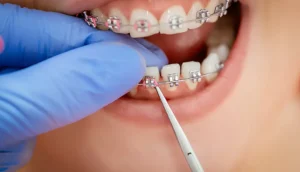
Braces work through three main components acting together: brackets attached to each tooth, a thin archwire that threads through them, and small elastics or ligatures that hold the archwire in place. Whether you choose traditional metal braces or clear ceramic braces, the archwire applies continuous, gentle pressure that guides teeth — and over time, the surrounding jaw structure — into proper position.
This pressure triggers a biological process at the root of each tooth. On one side of the tooth, bone tissue breaks down slightly to allow movement (a process called resorption). On the other side, new bone forms to support the tooth in its new position (called ossification). This slow remodeling process is what allows braces to reshape not just tooth position, but the functional relationship between your upper and lower jaw.
Do Braces Fix Jaw Alignment? Yes, If Done Properly.
There are many methods by which braces can help correct jaw alignment.
- Braces may aid in repositioning upper teeth overlapping excessively with lower teeth.
- They can help push back the lower or upper teeth to improve the bite.
- Braces aid in correcting the situation where the upper jaw teeth bite the lower jaw.
- Braces gently move teeth to move the jaw back to a more comfortable position.
- This process needs constant pressure throughout the day to ensure jaw alignment with teeth.
- The jaw misalignment is fixed by repositioning both jaws and teeth to the correct position.
Can Braces Fix Jaw Alignment in Adults?
Some people believe braces are only intended for teenagers. However, adults are also able to get orthodontic treatments. Indeed, many adults choose to use braces for problems with jaw alignment. However, whether your problem developed over time or was present in childhood, braces can fix the issue and help achieve a better bite.
- Braces can be effective for adults and children.
- Adults may notice a significant improvement in the alignment of their jaws with braces.
- Adult braces may require a bit longer than those for children; however, they are equally effective.
For adults considering treatment for bite or alignment concerns, an orthodontist for adults in Tampa Bay can evaluate the jaw and teeth to determine which treatment may be appropriate.
When Braces Aren’t Enough: The Role of Jaw Surgery
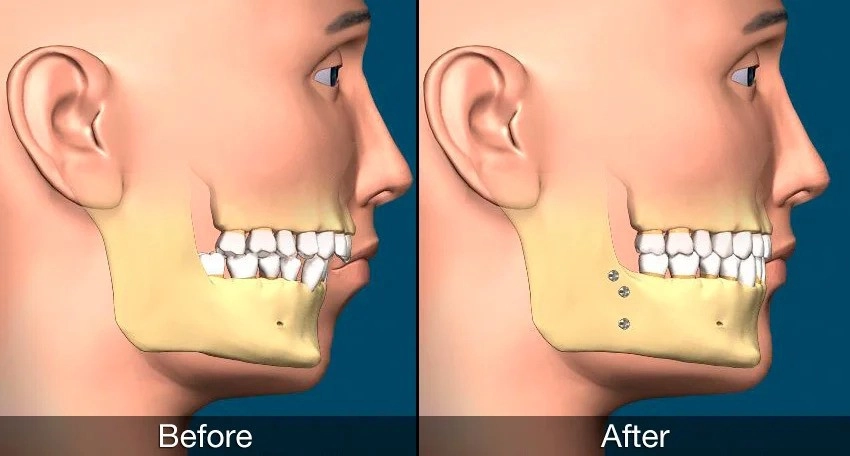
While braces are highly effective for correcting how teeth fit together, they have limits. For adults with severe skeletal discrepancies — where the misalignment is in the jawbone itself rather than just tooth position — braces alone typically cannot fully correct the issue.
In these cases, corrective jaw surgery (also called orthognathic surgery) may be recommended alongside orthodontic treatment. This combined approach usually follows three phases:
- Pre-surgical orthodontics — Braces are worn first to align the teeth within each dental arch, preparing them for surgery.
- Jaw surgery — An oral and maxillofacial surgeon repositions the upper jaw, lower jaw, or both to correct the underlying skeletal issue.
- Post-surgical orthodontics — A final phase of braces fine-tunes the bite once the jaw has healed in its new position.
For children and teens whose jaws are still growing, early intervention with appliances like palatal expanders can often guide jaw development and reduce or eliminate the need for surgery later in life — this is one reason we recommend orthodontic evaluations for all ages starting early. A full evaluation — including X-rays and imaging — helps determine whether braces alone, Invisalign, or a combined surgical approach is the right path for your specific case. Schedule a free consultation to find out which option fits you.
6 Reasons Why Proper Jaw Alignment Is Important
A misaligned jaw can result in various issues, for example:
- It can cause pain and discomfort.
- Unbalanced jaws may cause uneven wear on your teeth.
- This can lead to premature erosion of enamel and tooth breakage.
- Misalignment may cause headaches.
- The jaw’s misalignment can cause difficulty chewing.
- A severe misalignment may cause sleep apnea.
As a result, a proper jaw alignment procedure is necessary.
What Is The Time Frame For Correcting Jaw Alignment Using Braces?
The effort spent to ensure the correct positioning of the jaws depends on the extent of misalignment, which could be corrected with braces. For some individuals, it could only take up to six months. Other people could even need many years. Braces are a process of slow retraining of your jaw to adopt an upright position, and therefore, following all the instructions given to you by the orthodontist is essential.
- Mild misalignments can take between 6 and 12 months to rectify.
- The most severe cases can take up to 3 years or more.
- It is crucial to keep track of appointments to track progress and adjust.
Three Major Types of Braces for Jaw Alignment
These braces are from the field of orthodontics and can be altered according to your needs and wants. The orthodontist you speak with will prescribe the best brace for the problems based on how you live. The most popular braces are:
- Braces made of traditional metal: This is the most popular type of brace, renowned for its longevity and efficiency.
- Ceramic braces: These are similar to metal ones but less visible due to the tooth-coloured brackets.
- Invisalign: Clear aligners are virtually invisible, easily removed, and suitable for adult patients requiring less intense treatment.
Do Braces Fix Jaw Alignment?
Braces are a solution for jaw alignment and are mainly used with other therapies like jaw surgery, retainers, or surgical procedures for serious malalignments. Orthodontists customize the treatment plan for your needs to ensure that your jaw and teeth are in sync. It’s a straight smile and a healthy and functional dental bite that improves the overall quality of life.

- Braces work well to align teeth and jaw position.
- In extreme cases, braces can be a part of a complete treatment program, including surgical intervention.
- Orthodontists can tailor treatments according to your requirements and preferences.
Frequently Asked Questions
Can braces change my face shape?
Yes, in some cases. Correcting an overbite or underbite can improve the balance and proportion of your lower face and jawline, leading to a more harmonious facial profile.
How long does it take for braces to fix jaw alignment?
Most comprehensive treatment takes between 12 and 24 months, though mild cases may resolve in as little as 6 months. Cases requiring jaw surgery typically take longer due to the additional pre- and post-surgical phases. Learn more about our treatment options for all ages.
Will fixing my jaw alignment with braces hurt?
You may feel mild discomfort for a few days after braces are placed or adjusted, which is normal and manageable with over-the-counter pain relief. If jaw surgery is part of your treatment plan, your surgeon will discuss what to expect during recovery.
Do I need jaw surgery, or will braces alone work?
It depends on whether your misalignment is primarily dental (tooth position) or skeletal (jawbone position). A comprehensive orthodontic evaluation, including imaging, is the only way to know for sure. Explore whether metal braces, clear braces, or Invisalign fit your case best during your visit.
Dietrich & Kelso Orthodontics For Getting Braces For Jaw Alignment
Suppose you seek to improve your jaw’s alignment, either in childhood or as an adult. In that case, Dietrich & Kelso Orthodontics will be of assistance. Our experienced orthodontists analyze your circumstances and design a customized strategy to adjust your smile and jaw to ensure optimal comfort and functionality. We have many brace solutions that fit your needs and ensure you will get the highest quality outcomes.
Conclusion
Correct jaw alignment isn’t simply about appearances but overall oral health, including comfort and how your teeth interact. Whether you’re an adult or a teen, braces could aid in correcting misalignments and enhance your smile and bite. Finally, you’ll get the healthiest, most aligned teeth and a confident smile through time and proper treatment at Dietrich & Kelso Orthodontics.

Dietrich & Kelso Orthodontics
Dietrich & Kelso Orthodontics provides advanced orthodontic care with Invisalign and ceramic braces to help patients achieve healthy, confident smiles. We specialize in modern teeth straightening solutions for kids, teens, and adults, with a focus on comfort, precision, and long-lasting results.
Book a Free Consult