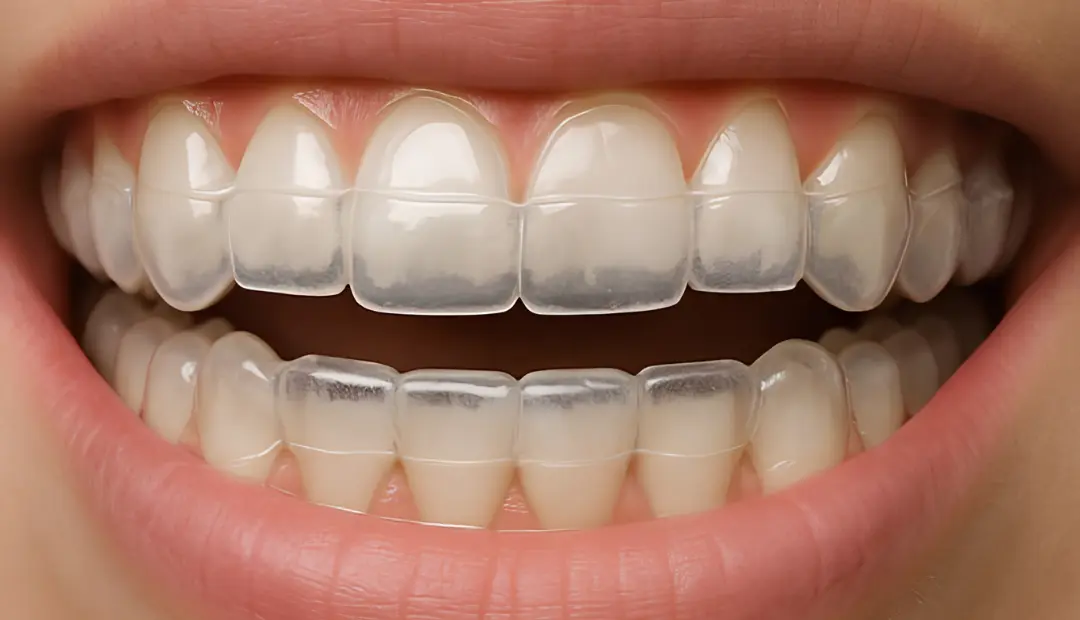
Invisalign typically takes 6 to 18 months to work. For mild cases, treatment can be completed in 3 to 6 months. Complex cases take more time, about 24 months or more. If you are in search of how long Invisalign takes to actually get results, the good news is that most patients notice initial changes within just 4 to 6 weeks of continuous wear.
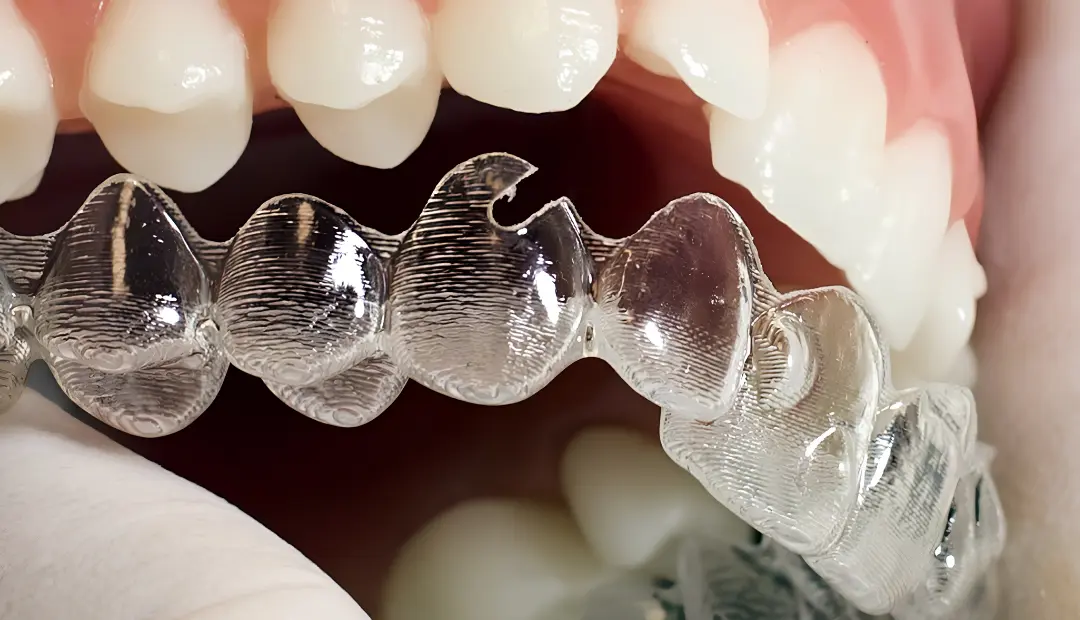
But your exact timeline depends on your starting bite, how consistently you wear your aligners, and how your teeth respond. In this guide, we will discuss what really speeds up your treatment and what you can expect at every step of the process.
How Long Does Invisalign Take to Work?
The complete treatment of Invisalign usually takes 6 to 18 months for most people. Mild cases can finish in 3 to 6 months, and serious cases take 24 months or more. You will usually notice small changes in 4 to 6 weeks, which helps patients stay motivated to wear their aligners.
The timing varies for everyone because every smile is different. A person with small gaps will see results much faster than someone dealing with a complex bite problem. So, it is best to have realistic expectations at your first consultation rather than comparing your treatment duration to others’.
What Factors Affect How Fast Invisalign Works?
It really comes down to 3 things: how many hours you wear your aligners, how often you switch trays, and how complex your case is. For the best, steady results, you will wear your aligners 20 to 22 hours a day. If you take them out too much, your treatment will just take longer.
You will also switch to a new tray every 1 to 2 weeks, exactly as your orthodontist tells you. Sticking to that schedule is what keeps everything moving forward. And lastly, the complexity matters. Big tooth rotations, large gaps, or bite issues simply take more time. Even if you do everything perfectly, those cases just need more time to get right.
What Does the Invisalign Timeline Look Like Month by Month?
Invisalign treatment is not a single-step process but consists of some different steps. The following are the main steps in every Invisalign treatment.
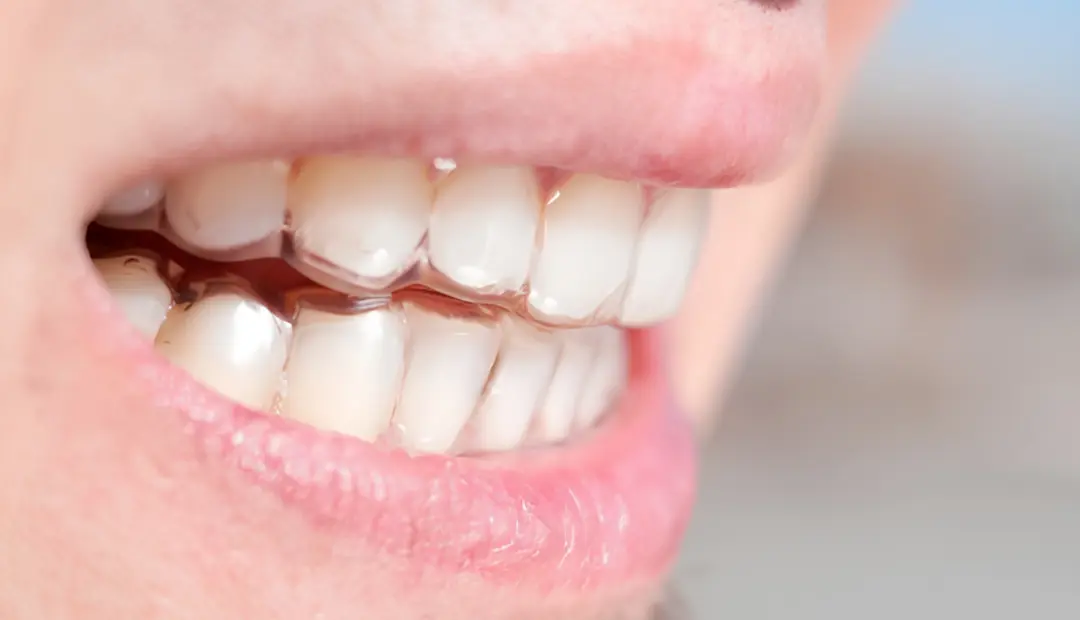
Month 0: Consultation and Planning
In the first step, your orthodontist will take digital scans and molds of your teeth, check your bite, and build a plan just for you. It will give you a chance to discuss your goals and learn the treatment duration. Many patients also get to see a digital preview of their future smile here, which is a great way to get excited right away.
Month 1: Getting Started
In the 1st month, you will get your first aligner set. An orthodontist will instruct you on how to wear and clean them. Your tooth-colored attachments will be provided. You will wear aligners 20 to 22 hours a day. When you feel light pressure and notice a small change in your speech, do not worry at all. You will get used to it in no time.
Month 2: Early Movement Begins
The second month makes things start happening. With continuous wear, your teeth start shifting, and there will be changes in crowding or gaps. Switching to a new tray will become routine for you. Every new tray will cause a little pressure for just a day or two, but it will result in your speech being back to normal by now
Month 3: Visible Progress
In the third month, there will be considerable changes. Small improvements in alignment show up, and your teeth even look straighter in selfies. Many people feel more motivated at this point. Brushing and flossing get easier, and smiling feels more natural. If you have a mild case, half of your treatment is done.
Months 4 to 6: Mid-Treatment Progress
At this point, bigger changes occur. Bite adjustments and straightening of crooked teeth happen. Your orthodontist will check how your trays are tracking and will suggest changes to your wear time or attachments. By month six, most people see a lot of difference and a much straighter smile.
Months 7 to 15: Refinement and Complex Corrections
Many people go through a refinement phase between months 7 and 9. It just means a few extra aligners to perfect the spacing and balance for the best result. For more complex cases, months 10 to 15 are enough to fine-tune your bite and get every tooth back to the right position. No doubt, it is slower, but it is part of the successful process.
Final Month: Completion and Retainers
You made it! Once your goals are met, your orthodontist will take final scans, remove the attachments, and make your retainers. This part is super important. Teeth will naturally shift back, so wearing your retainers as the orthodontist said keeps all your hard work from going to waste.
How Does Treatment Time Compare by Case Type?
Treatment time varies widely depending on how difficult your case is. It ranges from just a few months for mild issues to two years or more for complex bite fixes. The following table shows typical timelines by case type.
Case Type | Typical Treatment Time | Example Issues |
| Mild | 3 – 9 months | Small gaps, slight crowding |
| Moderate | 6 – 15 months | Noticeable crowding or spacing issues |
| Complex | 12 – 24+ months | Severe misalignment or bite corrections |
According to industry data, teeth move about 0.25 to 0.33 millimeters per aligner tray. That is why bigger corrections naturally need more trays and more time to reach the final result.
FAQs
How quickly do your teeth move with Invisalign?
Teeth move about 0.25-0.33 mm per aligner tray. Most patients see visible changes within 6 to 12 weeks of starting treatment.
What is the failure rate of Invisalign?
The overall clinical failure rate is low, about 4% to 5%. Still, around 17% of patients end up switching to traditional braces due to setbacks and complex adjustments
What is the hardest week of Invisalign?
Most patients say the first week is the hardest. That is when you adjust to wearing aligners all day and get used to light pressure and speech changes.
Do I have to wear Invisalign aligners all day?
Yes, you should wear aligners 20 to 22 hours per day for the best results. Taking them out too much can really slow down your treatment time.
Are refinement aligners a sign something went wrong?
No, refinement aligners are a normal part of many plans. They help fine-tune spacing and balance to make sure you get the best final result.
How soon will I notice a difference in my smile?
Most patients notice early changes within 4 to 6 weeks. More visible progress usually shows up by month three of treatment.
Final Thoughts!
To finalize, the timeline of Invisalign treatment is 6 to 18 months. Mild cases are faster, and complex cases take longer. It depends on daily wear time and your own dental condition. In the first 4 to 6 weeks, you will see a big difference. By wearing aligners on time and changing trays as directed, you will stay on schedule.
Our orthodontic team at DKO Smile is always by your side to create a personal Invisalign timeline according to your smile goals. Schedule a consultation now and learn exactly how long your treatment will take

Dietrich & Kelso Orthodontics
Dietrich & Kelso Orthodontics provides advanced orthodontic care with Invisalign and ceramic braces to help patients achieve healthy, confident smiles. We specialize in modern teeth straightening solutions for kids, teens, and adults, with a focus on comfort, precision, and long-lasting results.
Book a Free Consult