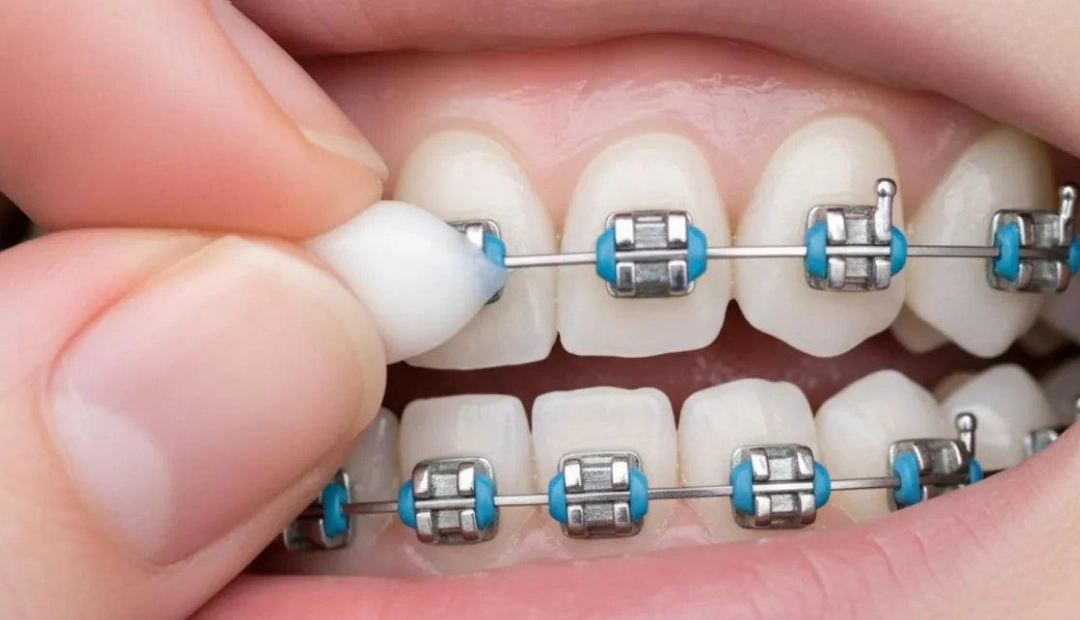
You can stop braces from rubbing and cutting your cheeks by putting a little orthodontic wax over the bracket or wire that feels sharp. Then rinse with warm salt water to soothe that spot while it heals. Sore cheeks from braces are totally normal right after you first get braces or get them tightened, because your mouth just needs some time to get used to all the new hardware.
The good news is most rubbing and little cuts get better in just a few days once you take the pressure off. Below, we’ll cover quick ways to feel better, how to tell if a wire is really poking you, which foods to avoid, and easy daily habits to keep your cheeks safe between visits to Dietrich & Kelso Orthodontics.
Why Braces Rub or Cut the Inside of Your Mouth
Braces can poke and scratch the inside of your mouth at first. It happens when a bracket, wire, or band rubs against your cheek, lip, or tongue while your mouth is still getting used to them. New brackets sometimes feel a little sharp, and after an adjustment, the wire can move just enough to hit a new spot. The bands around your back teeth cause the most rubbing as they sit right where your cheek moves a lot when you chew and talk.
This is completely normal. When you wear new shoes, they rub your heel until your skin gets tougher. Your cheeks also do the same for a week or two. The American Dental Association says to press a small amount of orthodontic wax onto any bracket or wire that is irritating you. So whenever you feel a sore spot starting, grab the wax first and cover it.
Do This Right Now for Fast Relief
The quickest way of getting relief is to dry the sore spot with a tissue. After that, you should cover the bracket or wire with orthodontic wax, and do a warm salt-water rinse if the area already feels raw. You can do both steps in less than five minutes and find it effective for almost all types of rubbing or small cuts.
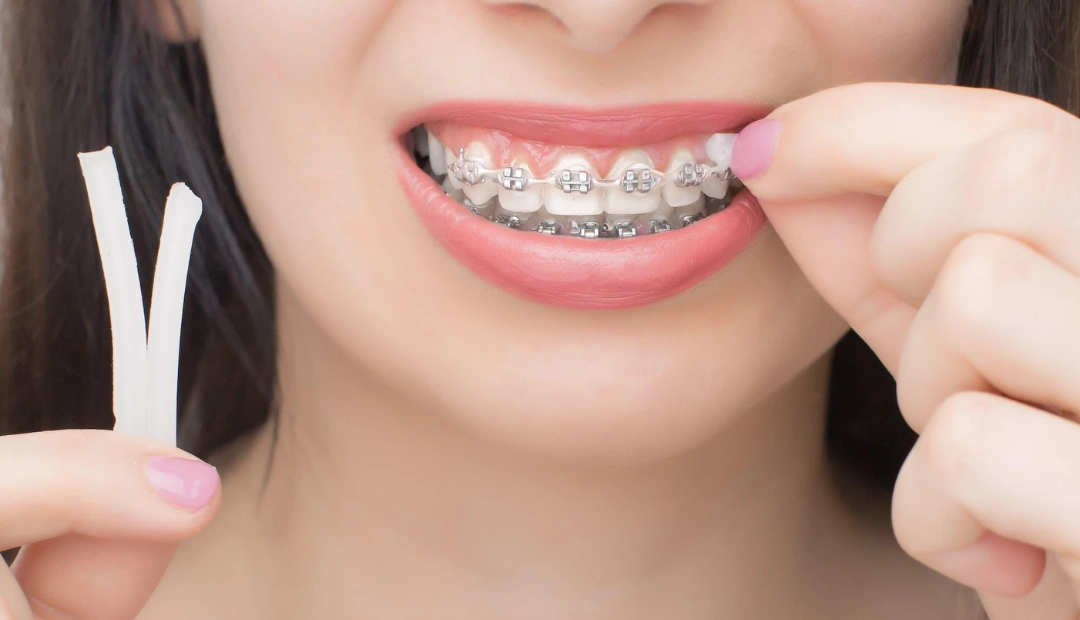
Orthodontic wax (step-by-step)
- First, wash your hands so you do not transfer bacteria to the sore spot.
- Then dry the bracket or wire with a clean tissue, because wax sticks better to a dry spot than a wet one.
- Break off a small piece of wax, roll it between your fingers until it softens into a smooth ball about the size of a small pea.
- Then press it tightly over the sharp edge until it stays. The wax usually stays on while you eat and talk for a few hours. Replace it only when it wears out or falls off.
No wax? Try this
No wax on hand? A little piece of clean cotton or a dab of sugar-free gum pressed right on the sharp spot can work as a quick cushion till you get something else. A soft silicone cover is another solid backup if your wax keeps popping off during the day.
Warm salt-water rinse
Stir about half a teaspoon of salt into a glass of warm water, swish it gently over the sore area for around 30 seconds, then spit. This simple rinse helps clean the little cut, reduces swelling, and you can do it a few times a day. That is why a lot of orthodontists recommend it along with wax while your cheek heals.
Over-the-counter pain relief guidance
A gel made for mouth sores can numb a cut cheek for a little while. You can also take a regular over-the-counter pain medicine if it hurts too much to eat or sleep. Just go by what the label says for the dose, and talk to your orthodontist or pharmacist first if you are giving it to a younger child.
When It’s a Poking Wire, Not Just Rubbing
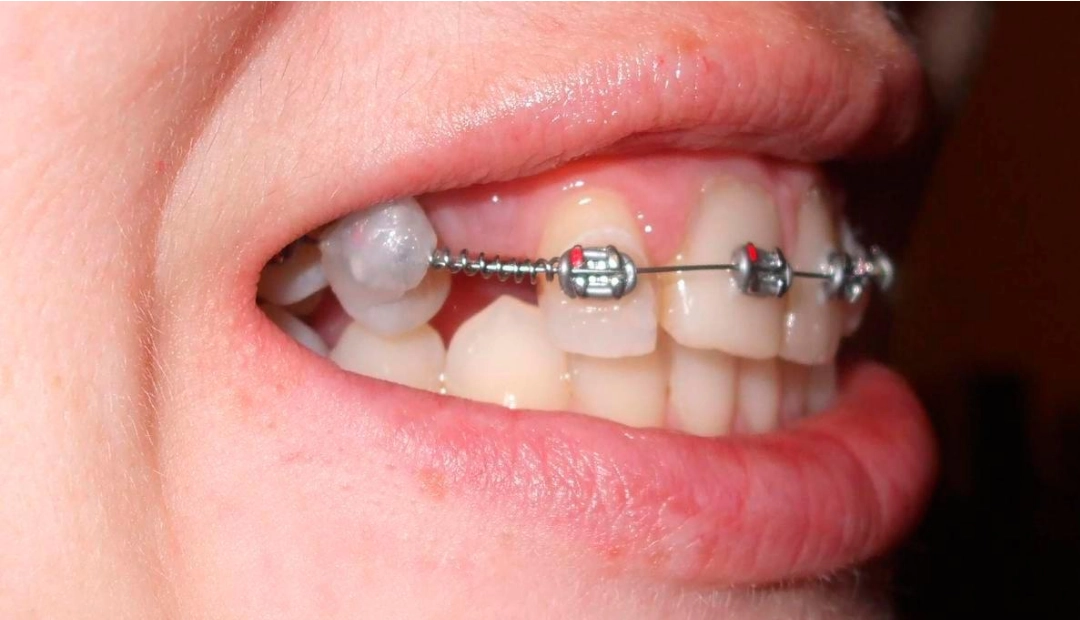
It is more than just rubbing when you feel a sharp, pointy end jabbing one exact spot every time you close your mouth, instead of a wider area that just feels sore. A wire that pokes usually means the archwire slid out of a bracket or the end was loose. Wax alone isn’t enough to hold it for long. For a fast fix, use a clean new pencil eraser and gently press the wire flat against your tooth, or use clean tweezers to tuck the loose wire tip away from your cheek.
Don’t cut the wire yourself unless you have to. The American Association of Orthodontists says cutting a sticking-out archwire at home is risky because you could swallow or breathe in the tiny piece. Only do it if you cannot get to your orthodontist and the wire keeps hurting. If you cut it, use clean nail clippers that you have wiped with alcohol, snip as close to the bracket as you can, and cover that new end with wax right away.
Foods to Avoid Until It Heals
Soft, easy-to-chew foods help a sore cheek heal faster, while crunchy, sticky, or acidic foods can reopen the irritation or make it sting. Choosing gentler foods for a few days after you get braces, get them tightened, or start rubbing helps the sore spot settle down much quicker.
Better Choices While Healing | Foods to Avoid |
| Yogurt and Smoothies | Chips and Pretzels |
| Mashed Potatoes | Nuts and Popcorn |
| Scrambled Eggs | Crusty or Chewy Bread |
| Soup and Broth | Citrus fruit and Juice |
| Soft Pasta | Caramel and Other Sticky Candy |
Drinking lots of water all day also keeps your mouth wet, which means less rubbing between your cheeks and the metal when you talk or chew.
When to Call Your Orthodontist Same-Day
Call your orthodontist the same day if a wire keeps poking the same spot no matter what you do, if a bracket or band comes loose, or if you see swelling, pus, fever, or a sore that doesn’t improve after a few days of home care. These are signs that wax and rinsing will not be enough. Getting checked quickly stops a small problem from getting bigger or slowing down your treatment.
Frequently Asked Questions
What can I use if I don’t have orthodontic wax?
A small piece of clean cotton or a bit of sugar-free gum pressed on the sharp spot can help for a short time until you get wax.
Is it safe to cut a poking wire myself?
Only do this as a last resort, because a cut piece could be swallowed or breathed in. Try using a pencil eraser or wax first, and call your orthodontist if the wire is still poking.
How long does cheek irritation from braces usually last?
Most rubbing and small cuts heal in 3 to 5 days after the pressure goes away. About a week is usually enough for general soreness after a tightening to fade.
Does Vaseline work as well as orthodontic wax?
With Vaseline, a sore spot feels slippery, but it does not stay in place or protect like orthodontic wax. So you must use wax, especially for a sharp bracket or wire edge.
Can rubbing from braces cause an infection?
There is no risk of getting an infection when you clean a small cut from rubbing with saltwater rinses. But if you continuously feel irritation, swelling, or pus, have your orthodontist check it.
Final Thoughts
Cheek irritation from braces is not a big issue. You can easily deal with it at home with orthodontic wax, a warm salt-water rinse, and a few days of softer food. The only time you should skip home fixes is if you have a poking wire that digs the same spot again and again. That’s when you need a same-day call, not just home fixes.
The team at Dietrich & Kelso Orthodontics always serves patients in Wesley Chapel, Tampa, Lakeland, Brandon, Dunedin, and South Tampa to help them feel comfortable again, whether they need a quick wire adjustment or more wax. If a sore spot is still irritated, schedule a consultation with Dietrich & Kelso Orthodontics right now and let the team check it before it slows your treatment down.

Dietrich & Kelso Orthodontics
Dietrich & Kelso Orthodontics provides advanced orthodontic care with Invisalign and ceramic braces to help patients achieve healthy, confident smiles. We specialize in modern teeth straightening solutions for kids, teens, and adults, with a focus on comfort, precision, and long-lasting results.
Book a Free Consult