
Are you wondering how long to wear a retainer after braces? Should you plan for it? The real answer is for life; however, as your teeth adjust into their new positions over time, the actual daily schedule changes significantly.
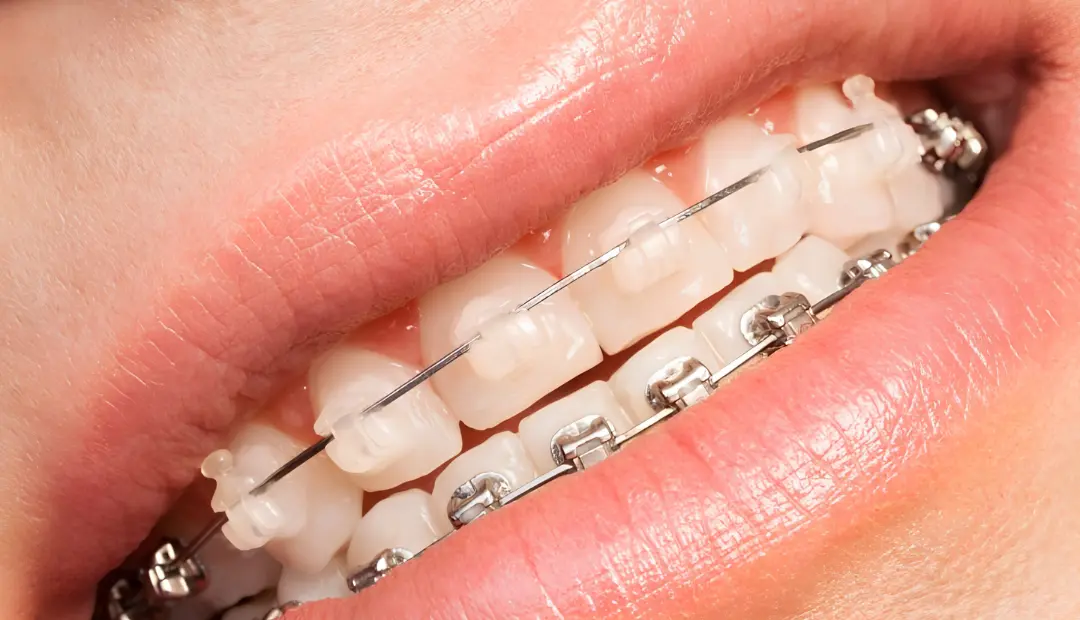
For the initial 3 to 6 months, most patients wear their retainer full-time. After that, they shift to wearing it only at night, and eventually they wear it just a few nights a week indefinitely. This article explains the many types of retainers available as well as what to expect after your braces come off. It also covers daily habits that help keep your new smile in place for many years to come.
How Long Do You Need to Wear a Retainer After Braces?
If you want your teeth to remain straight, you will need to wear a retainer for the rest of your life. However, the schedule changes. For the first 3 to 6 months after your braces are removed, full-time wear of 20 to 22 hours per day is usually required. After that, most patients switch to wearing them only at night.
To prevent natural shifting, they eventually reduce it to a few nights per week indefinitely. You risk losing the results your braces helped achieve if you skip this plan.
The table below explains what that wear schedule usually looks like at each stage.
Time Period | Wear Pattern | Purpose |
| First 3–6 Months | Full-time, 20–22 hours a day | Lets bone and gums stabilize around new tooth positions |
| 6 Months to 2 Years | Nighttime only | Maintains position while reducing daily wear |
| Long-Term / Lifetime | A few nights per week | Prevents natural age-related shifting |
Types of Retainers Explained
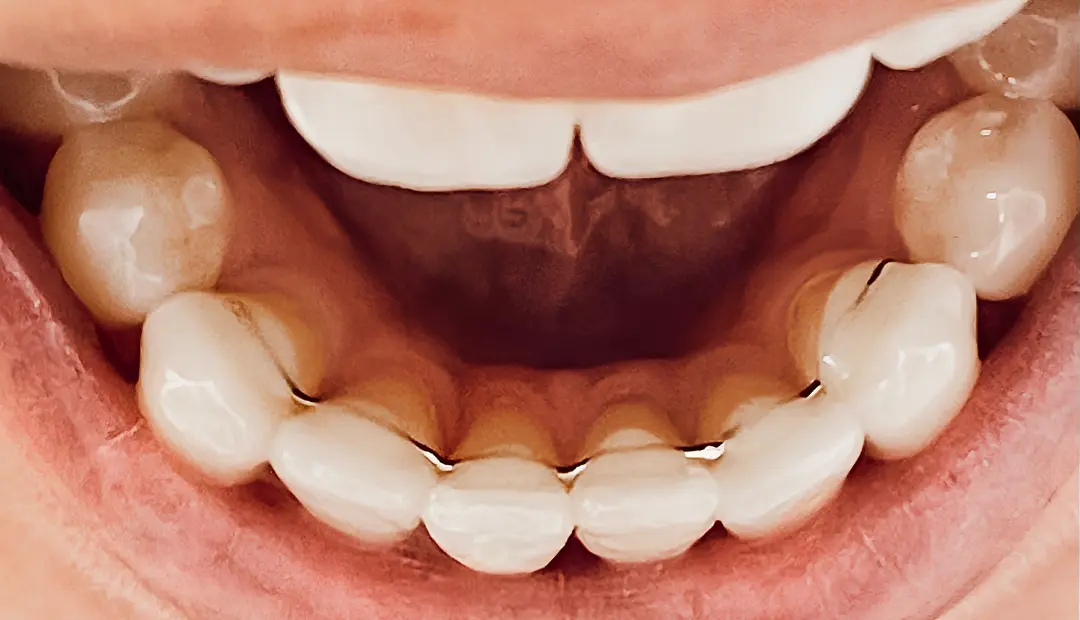
There are three main types of retainers. Hawley retainers, which are made of metal wire and an acrylic base; clear plastic retainers that are clear and removable; and fixed retainers that are glued behind your teeth for 24/7 support.
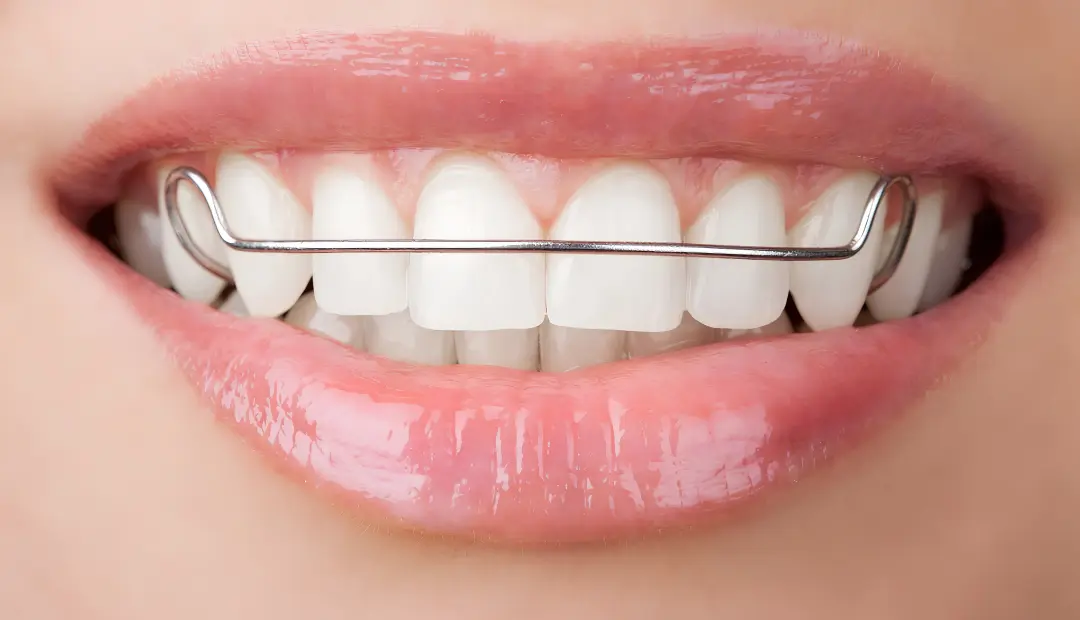
Even though each type keeps your teeth from moving back, they differ in visibility, comfort, and daily effort. Your orthodontist will suggest the type that best suits your specific case. It is easier to know what to expect from the specific retainer if you are aware of the differences up front.
1: Fixed Retainers
Thin wires connected directly behind your teeth are known as fixed retainers. They give constant support without needing daily effort on your part. For patients concerned about forgetting to wear a removable retainer, it is an excellent choice. However, they need a little extra care when flossing, as a floss threader is usually required to reach underneath the wire effectively.
2: Hawley Retainers
They are made of an acrylic base and a metal wire, which rest against the roof of your mouth or along your lower jaw. Many patients value the option to be removed for meals and cleaning, and they are durable and adjustable.
3: Clear Plastic Retainers
The most discreet option is clear plastic retainers, which fit over your teeth like a thin, transparent shell. They are popular because of their invisible appearance; however, they require careful handling to avoid warping from heat.
How Retainers Fit Into Life After Braces
Completing active orthodontic treatment is like reaching the finish line. Retainers are the maintenance stage that protects everything that you have just completed. More than 4 million people in the nation use braces at any given time. They will all eventually have to make the same transition to wearing retainers. It is much simpler to maintain consistency during those first crucial months when retainers are viewed as a crucial part of the treatment rather than an optional afterthought.
Why Long-Term Retainer Wear Matters
Long-term retainer wear is important because, once braces are removed, your gums and bone require time to stabilize and rebuild around your teeth in new positions. Also, lifetime retainer wear is still recommended as teeth naturally shift with age, even for those who have never worn braces. If you skip this step, months or years of orthodontic success could be slowly undone. After skipping wear, teeth may start to move 48 to 72 hours later.
Retainer Care Tips
It is easy to keep your retainer in good condition.
- You should avoid using toothpaste, as it can damage clear plastic.
- Clean it every day with a gentle toothbrush and water or light soap.
- Heat can permanently warp retainers, so keep them away from hot water, hot cars, and other heat sources.
- Removable retainers should always be kept in a hard case rather than loose in a bag or on a napkin. The most common way retainers are accidentally thrown away is when they get caught on napkins.
Common Retainer Mistakes to Avoid
- Leaving retainers in direct heat, cleaning them with hot water, and putting them in a napkin are the most common mistakes.
- The other usual mistakes are skipping wear and attempting to push them back in later, as well as biting on them unintentionally.
- Another mistake that can trap sugar against your teeth is drinking sugary drinks while wearing a retainer. Do not ignore it if your retainer feels tight after skipping wear because this means your teeth are already trying to move.
Retainers in Real Life: Eating, Sports, and Travel
Real life adds a few practical wrinkles to retainer wear, starting with meals. Always remove removable retainers before eating, and rinse them before putting them back in. For contact sports, swap your retainer for a mouthguard, but non-contact sports usually don’t require any change to your routine. When traveling, always pack the case, keep it in the same pocket every time, and never toss a retainer loose into a bag or suitcase.
Keeping a spare case in your car or backpack is a small habit that prevents most retainer emergencies before they happen.
FAQ’s
Can I go 2 weeks without my retainer?
It is not recommended to go two weeks without your retainer. Your teeth may move, making the retainer painful, tight, or not fit correctly.
How many years should I wear a permanent retainer after braces?
You may wear a fixed retainer for a few years or even your entire life, as long as the wire remains safe, unharmed, and clean.
How fast do teeth move without a retainer?
Without a retainer, teeth might start moving within 48 to 72 hours. It usually takes 1 to 3 months for visible gaps or crowding to appear. This speed is based on how recently you removed your braces.
Do I really need to wear a retainer forever?
Absolutely, because even people without braces have natural changes in their teeth as they age. Your results are maintained by long-term wear, even if it is only a few nights a week.
What should I do if I lose my retainer?
Instead of waiting, contact your orthodontist right away because teeth can begin to shift a few days after you stop using one. Most practices can quickly set up a replacement.
Can I clean my retainer with mouthwash?
Because mouthwash might eventually damage clear plastic, it is usually not advised for daily cleaning. The safer daily choice is a soft toothbrush with water or mild soap.
Final Thoughts
The key to understanding how long to wear a retainer after braces is to start with full-time wear and slowly reduce it to a few nights per week for life. The results your braces worked so hard to achieve over months or years of treatment are maintained by following this schedule. Simple care habits like avoiding heat and always using a case also help protect those results.
You can also make an appointment with DKO Smiles’ orthodontist today if you need a replacement or have questions about your specific retainer routine.

Dietrich & Kelso Orthodontics
Dietrich & Kelso Orthodontics provides advanced orthodontic care with Invisalign and ceramic braces to help patients achieve healthy, confident smiles. We specialize in modern teeth straightening solutions for kids, teens, and adults, with a focus on comfort, precision, and long-lasting results.
Book a Free Consult





[…] Retainers can also cause a temporary change in speech, especially when you first start wearing them. Like braces and clear aligners, a retainer can change the space inside your mouth and affect how your tongue moves when you pronounce certain sounds. […]