Dental insurance may help pay for braces or Invisalign in Florida, but coverage depends on your plan. Some policies include orthodontic benefits, while others do not cover orthodontic treatment.
Even when a plan covers braces, it may have age limits, payment limits, or rules about the type of treatment. Invisalign may also have different coverage rules.
For example, one plan may pay a percentage of treatment costs up to a lifetime maximum. Another may offer a fixed benefit or cover orthodontic treatment only for children.

Before starting treatment, find out what your insurance will pay and what you will need to pay yourself.
This guide explains dental insurance coverage for braces and Invisalign in Florida. It also covers Medicaid rules for children, insurance limits, treatment costs, and what happens when your insurance pays less than expected.
Does Dental Insurance Cover Braces in Florida?
Yes, some dental insurance plans in Florida cover braces. However, your policy must include orthodontic benefits.
How much your insurance pays depends on your plan’s terms. Some plans cover a percentage of the approved treatment cost. Others pay a fixed amount. Many also have a lifetime orthodontic maximum.
For example, imagine your plan covers 50% of orthodontic treatment up to a $1,500 lifetime maximum. If your treatment costs $5,000, the insurance company may pay up to $1,500, not $2,500. You would be responsible for the remaining $3,500.
This is why the coverage percentage alone does not tell you how much help you will receive.
Does Dental Insurance Cover Braces for Adults?
Some dental insurance plans include orthodontic benefits for adults, but others only cover children and teenagers.
Before choosing a plan, check its age restrictions. A policy may cover braces for a child but provide no orthodontic benefits for an adult under the same coverage.
Also, check whether the plan covers treatment for any orthodontic need or only certain conditions. Some policies have specific requirements that must be met before they pay.
If you are an adult considering braces, ask your insurance company to confirm your eligibility in writing.
Does Insurance Cover Invisalign Treatment?
Insurance may cover Invisalign if your plan includes orthodontic benefits and allows coverage for clear aligners.
Some plans treat Invisalign and braces under the same orthodontic benefit. Others may have restrictions on the type of appliance or treatment they cover.
Do not assume that insurance will pay for Invisalign just because it covers traditional braces.

Is Invisalign Covered Under the Same Benefit as Braces?
It depends on your policy.
If your plan covers Invisalign under its regular orthodontic benefit, the same lifetime maximum and other limits may apply.
For example, if your policy has a $2,000 orthodontic maximum, that limit may apply whether you choose braces or Invisalign. The insurer will still need to confirm that your selected treatment meets its coverage rules.
Ask your insurance company these questions:
- Does my plan cover Invisalign?
- Is Invisalign included under the regular orthodontic benefit?
- Does the same lifetime maximum apply?
- Are there age restrictions?
- Does the plan have any treatment exclusions?
A pre-treatment estimate can help you understand the expected payment before you begin.
Braces vs Invisalign: How Can Insurance Coverage Differ?
| Factor | Braces | Invisalign |
|---|---|---|
| Insurance category | May fall under orthodontic benefits | May fall under the same benefit |
| Coverage amount | Depends on the policy | Depends on the policy |
| Age restrictions | May apply | May apply |
| Treatment restrictions | Follow policy terms | Clear aligner restrictions may apply |
| Payment limit | May have a lifetime maximum | May share the same lifetime maximum |
Your insurer must confirm the details for your specific policy.
What Types of Insurance May Help Pay for Orthodontic Treatment?
Several types of dental coverage may help with braces or Invisalign. These include private dental insurance, employer-sponsored plans, and Florida Medicaid for eligible children.
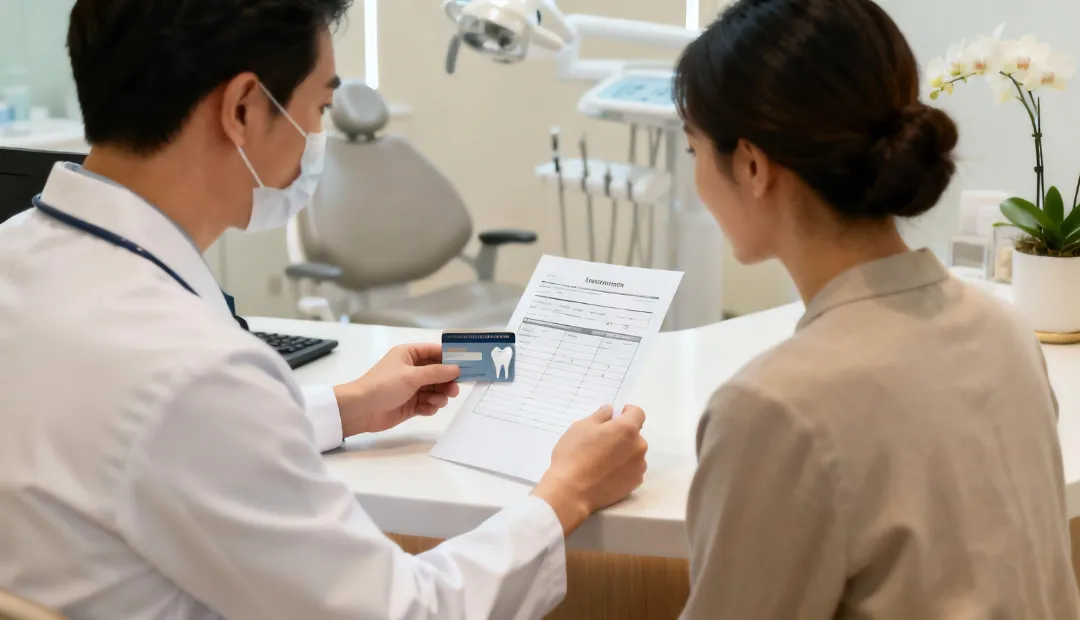
However, not every plan includes orthodontic benefits.
Private Dental Insurance
Private dental insurance is available through individual policies. Some plans include orthodontic coverage, while others do not offer it.
Before buying a plan, review more than its monthly premium. A plan with a lower premium may have a smaller orthodontic benefit or a longer waiting period.
Compare these details:
- Orthodontic coverage amount
- Age restrictions
- Lifetime maximum
- Waiting period
- In-network provider rules
- Coverage for braces and Invisalign
If you already have dental insurance, check your existing benefits before buying another policy.
Employer-Sponsored Dental Plans
Some employers offer dental insurance as part of their employee benefits. These plans may include orthodontic coverage for employees, children, or other dependents.
The available benefits depend on the employer’s selected plan.
For example, Florida’s 2026 state employee dental comparison chart lists different orthodontic benefits across its plans. Some plans offer orthodontic coverage without an age limit, while others have age restrictions, waiting periods, or no orthodontic coverage.
This is a useful example of why you should compare the actual benefit documents instead of assuming all PPO or DHMO plans offer the same coverage.
Ask your HR department for the current benefits summary. Check the orthodontic maximum, age limits, waiting period, and treatment rules before selecting a plan.
Does Florida Medicaid Cover Braces for Children?
Florida Medicaid may cover braces for eligible children under 21 who have a qualifying handicapping malocclusion.
According to InsureKidsNow.gov, Florida Medicaid lists braces for children under 21 with handicapping malocclusions. Prior authorization is required.
This means that having crooked teeth does not automatically qualify a child for Medicaid orthodontic coverage. The child’s condition must meet the program’s requirements.
Florida Medicaid recipients receive dental services through dental plans. These include DentaQuest, Liberty Dental, and MCNA Dental.
If you think your child may qualify, contact their Medicaid dental plan. Ask about the orthodontic evaluation, required records, and prior authorization process.
You can also review the Florida Medicaid dental benefits information from the Florida Statewide Medicaid Managed Care Program.
What Factors Affect Orthodontic Insurance Coverage?
Your insurance benefits depend on several parts of your policy. These include your age, treatment type, lifetime maximum, waiting period, and provider network.
Understanding these details can help you avoid unexpected costs.
Age and Treatment Eligibility
Some plans cover orthodontic treatment only for children and teenagers. Others may include adults.
A policy may also have different rules for medically necessary and non-medically necessary treatment.
Check whether your plan covers your age group and whether your treatment needs to meet any additional requirements.
Lifetime Orthodontic Maximum
A lifetime maximum is the total amount an insurance company will pay toward orthodontic treatment under your plan.
For example, a policy may have a $1,500 lifetime maximum. Once the insurer has paid that amount, it will not pay more toward the same benefit, even if treatment continues.
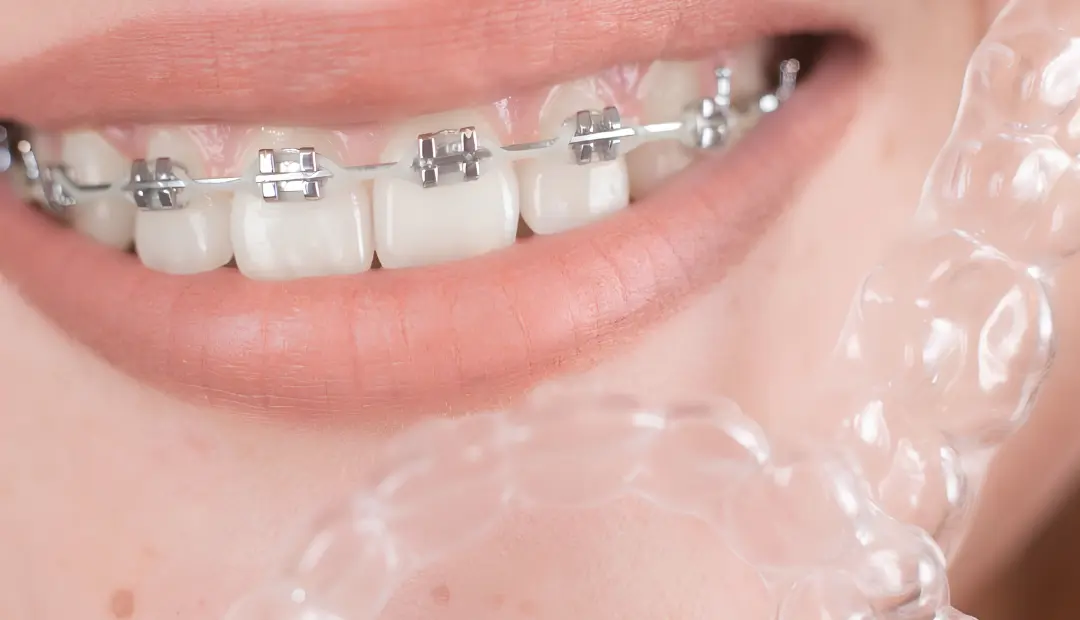
This limit may be shared across different orthodontic treatment phases or services, depending on the policy.
Before treatment starts, ask how much of your lifetime maximum is still available. If you have used orthodontic benefits before, previous payments may affect the remaining amount.
Annual Dental Maximum vs Lifetime Orthodontic Maximum
What Is the Difference Between an Annual Dental Maximum and a Lifetime Orthodontic Maximum?
An annual dental maximum is the total amount an insurance plan may pay for covered dental services during one policy year. A lifetime orthodontic maximum is the total amount the plan may pay toward orthodontic treatment over a person’s lifetime.
These limits apply to different types of benefits. For example, a dental plan may have a $1,500 annual dental maximum and a separate $2,000 lifetime orthodontic maximum. The annual limit may apply to services such as fillings, cleanings, and other covered dental procedures, while the orthodontic maximum applies to eligible braces or Invisalign treatment.
Waiting Periods
Some plans require you to wait before using orthodontic benefits.
For example, a policy may have a 12-month waiting period. This means you may need to keep the plan for 12 months before certain orthodontic benefits become available.
Other plans may have no waiting period.
Check this detail before buying a policy, especially if you want to start treatment soon.
In-Network and Out-of-Network Providers
Your insurance plan may pay different amounts depending on whether your orthodontist is in its provider network.
An in-network provider has an agreement with the insurance company. An out-of-network provider may have different payment rules.
Before scheduling treatment, ask:
- Is the orthodontist in my network?
- Does the plan pay less for out-of-network treatment?
- Will I have to pay any amount above the plan’s allowed fee?
- Does the plan require a referral or prior approval?
These details can affect your final bill.
What Happens If You Change Insurance During Orthodontic Treatment?
Changing dental insurance while wearing braces or using Invisalign can affect how your treatment is paid for.
Your new plan may have different coverage rules, waiting periods, or lifetime maximums. It may also exclude treatment that started before the new policy became active.
However, some plans have rules that protect patients who are already receiving approved treatment.
For example, Florida Medicaid’s dental program has continuity-of-care rules for certain ongoing treatments. Its official FAQ explains that active orthodontic services may continue beyond the usual 90-day transition period until care is completed, when the required conditions are met.
This rule applies to the relevant Florida Medicaid program. It should not be assumed to apply to every private dental insurance policy.
If you plan to change insurance, ask both providers:
- Will my current orthodontic treatment remain covered?
- Does the new plan cover treatment that started under another policy?
- Will previous insurance payments affect my new lifetime maximum?
- Do I need a new approval or treatment estimate?
- Who will pay for the remaining treatment visits?
Get the answers before changing plans. This can help you understand whether you may need to pay more during treatment.
Treatment Already in Progress
Does New Dental Insurance Cover Orthodontic Treatment Already in Progress?
A new dental insurance plan does not automatically cover orthodontic treatment that started under a previous policy.
Some plans exclude treatment that began before the new coverage became effective. Others may have specific rules for continuing orthodontic care or may consider benefits based on the treatment start date.
Before changing plans, ask the new insurer:
Does the policy cover orthodontic treatment that has already started?
Will previous treatment payments affect the available benefit?
Does the plan require a new waiting period?
Are ongoing braces or Invisalign payments eligible for coverage?
Is documentation from the previous orthodontist required?
Get confirmation from the new insurer before relying on its orthodontic benefits. This can help you understand whether changing plans may increase your out-of-pocket costs.
Can Children Use Orthodontic Insurance for More Than One Treatment Phase?
Some children receive orthodontic care in more than one phase. For example, an orthodontist may recommend early treatment while a child still has some baby teeth, followed by another phase when more permanent teeth have come in.

Insurance coverage for these phases depends on the policy.
Some plans may apply one lifetime maximum to all orthodontic treatment. Others may have specific rules about how they cover different treatment phases.
Before starting early orthodontic treatment, ask your insurer:
- Does the plan cover two phases of treatment?
- Will the first phase use part or all of the lifetime maximum?
- Can the child receive another orthodontic benefit later?
- Are separate approvals required for each phase?
An insurance company can explain the policy limits. An orthodontist can explain why one or more treatment phases may be recommended for the child’s dental development.
What Happens When Insurance Pays Less Than Expected?
The amount listed in a pre-treatment estimate may differ from the final insurance payment.
This can happen because the estimate is based on the information available before treatment. The final claim may be reviewed under the policy’s terms, the patient’s eligibility, and the services submitted.
For example, your insurance company may pay less than expected because:
- Your lifetime maximum has already been partly used.
- The plan does not cover the selected treatment.
- The policy has an age restriction.
- A waiting period has not ended.
- The provider is out of network.
- The claim does not meet the plan’s approval requirements.
Appealing a Denied Claim
How Can You Appeal a Denied Orthodontic Insurance Claim?
If your insurance company denies an orthodontic claim, review the Explanation of Benefits (EOB) first. It should explain why the claim was denied or why the payment was lower than expected.
The next steps depend on the reason for the denial and your policy’s appeal rules.
You can generally take these steps:
Review the denial reason: Check whether the claim was denied because of an age limit, waiting period, missing documentation, or an excluded treatment.
Compare it with your policy: Review your orthodontic benefits and coverage exclusions to understand whether the decision follows your plan’s terms.
Collect supporting documents: Ask your orthodontist for relevant treatment records, clinical documentation, or other information requested by the insurer.
Contact your insurer: Ask about the reason for the decision and the process for requesting a review.
Submit an appeal: Follow the insurer’s instructions and deadlines for submitting an appeal.
Keep copies of the denial notice, supporting documents, and communication with your insurer. An appeal does not guarantee approval, but it allows the insurer to review the decision.
What Is an Explanation of Benefits (EOB)?
An Explanation of Benefits, or EOB, is a document from your insurance company that explains how it processed a claim.
It usually shows:
- The service submitted by the provider.
- The amount the insurance company allowed.
- The amount paid by the insurer.
- Any amount assigned to the patient.
- The reason for a reduced or denied payment.
An EOB is not the same as a bill. It explains how the claim was processed.
If the payment is lower than expected, compare the EOB with your policy and pre-treatment estimate. Contact the insurance company if something is unclear. You can also ask whether the claim can be reviewed or appealed.
How Much Do Braces Cost Without Insurance?
The cost of braces or Invisalign depends on the patient’s needs, the type of treatment, and the length of care.
The following figures are general estimates cited in consumer dental information, not confirmed prices for every orthodontic office in Florida.
According to Healthline, braces may cost around $3,000 to $10,000, while Invisalign may cost around $3,000 to $7,000. Actual fees can be higher or lower depending on the case and provider.
Your treatment estimate may include the appliances, appointments, adjustments, and other services included in your orthodontic plan. Ask what the quoted fee covers before making a decision.
How Can You Estimate Your Out-of-Pocket Cost?
Your out-of-pocket cost is the amount you must pay after insurance benefits are applied.
Here is a simple example:
| Cost detail | Example amount |
|---|---|
| Total treatment fee | $5,000 |
| Available insurance benefit | $1,500 |
| Estimated amount you pay | $3,500 |
This is an example, not a quote or a promise of insurance payment. Your actual cost depends on your policy and the final claim decision.

If your insurance does not cover treatment, ask your orthodontist about payment options.
These may include:
- Monthly payment plans
- Health Savings Account (HSA) funds for eligible expenses
- Flexible Spending Account (FSA) funds for eligible expenses
- Third-party financing, subject to approval and terms
Ask for a written estimate that shows the treatment fee, expected insurance payment, and remaining balance.
How to Check Your Orthodontic Insurance Benefits
Before starting braces or Invisalign, contact your insurance company and ask for details about your orthodontic coverage.
You can also review your benefits summary or ask your orthodontic office whether it can help with benefit verification.
Use this checklist when speaking with your insurer:
- Does my plan include orthodontic benefits?
- Does it cover braces, Invisalign, or both?
- Does coverage apply to adults, children, or both?
- What is my lifetime orthodontic maximum?
- How much of that maximum is still available?
- Is there a waiting period?
- Does the plan require an in-network provider?
- Is prior authorization required?
- Does the plan cover treatment that has already started?
- How much may I need to pay after insurance?
Ask for a written benefit summary or pre-treatment estimate when available.
Is a Pre-Treatment Estimate a Guarantee of Insurance Payment?
No. A pre-treatment estimate is not usually a guarantee that your insurance company will pay the amount shown.
It is an estimate of the benefits the insurer expects to provide based on the treatment information submitted before care begins. The final payment may change if your eligibility, remaining benefits, policy terms, or submitted claim details are different when the claim is processed.
At Dietrich & Kelso Orthodontics, you can discuss your braces and Invisalign options and ask questions about the expected cost of treatment. A consultation can help you understand the treatment options before making a decision.
Frequently Asked Questions
Does Florida Medicaid Cover Braces for Children?
Florida Medicaid may cover braces for eligible children under 21 with a handicapping malocclusion. Prior authorization is required, and the child’s condition must meet the program’s requirements. Contact the child’s Medicaid dental plan for details.
Can Adults Use Dental Insurance for Invisalign?
Yes, some dental plans cover Invisalign for adults. However, the plan must include adult orthodontic benefits and allow coverage for clear aligners. Check the age limits and treatment rules before starting.
Does Insurance Pay for the Full Cost of Braces?
Not always. Some plans pay a percentage of treatment costs, while others have a fixed benefit or lifetime maximum. You may need to pay the remaining balance.
Can I Change Dental Insurance While I Have Braces?
You may be able to change plans, but your new insurance may not cover treatment that has already started. Some programs have continuity-of-care rules. Check with both insurance providers before changing your coverage.
What Should I Do If My Insurance Claim Is Denied?
Read your Explanation of Benefits to understand why the claim was denied. Compare the reason with your policy, then contact your insurer for clarification. If you believe the decision is incorrect, ask about its claim review or appeal process.
Final Thoughts
Dental insurance can help reduce the cost of braces or Invisalign in Florida, but the amount depends on your policy. Age limits, lifetime maximums, waiting periods, provider networks, and treatment restrictions can all affect your benefits.
Before starting orthodontic treatment, ask your insurance company what it covers and how much of your benefit remains. If your child has Florida Medicaid, check the program’s orthodontic requirements and prior authorization rules.
If insurance does not cover the full cost, ask about payment plans and other ways to manage the remaining balance.
At Dietrich & Kelso Orthodontics, patients and families in Wesley Chapel, Tampa, Lakeland, Brandon, Dunedin, and South Tampa can discuss their orthodontic treatment options. Schedule a consultation to learn more about braces, Invisalign, and the expected cost of treatment.

Dietrich & Kelso Orthodontics
Dietrich & Kelso Orthodontics provides advanced orthodontic care with Invisalign and ceramic braces to help patients achieve healthy, confident smiles. We specialize in modern teeth straightening solutions for kids, teens, and adults, with a focus on comfort, precision, and long-lasting results.
Book a Free Consult