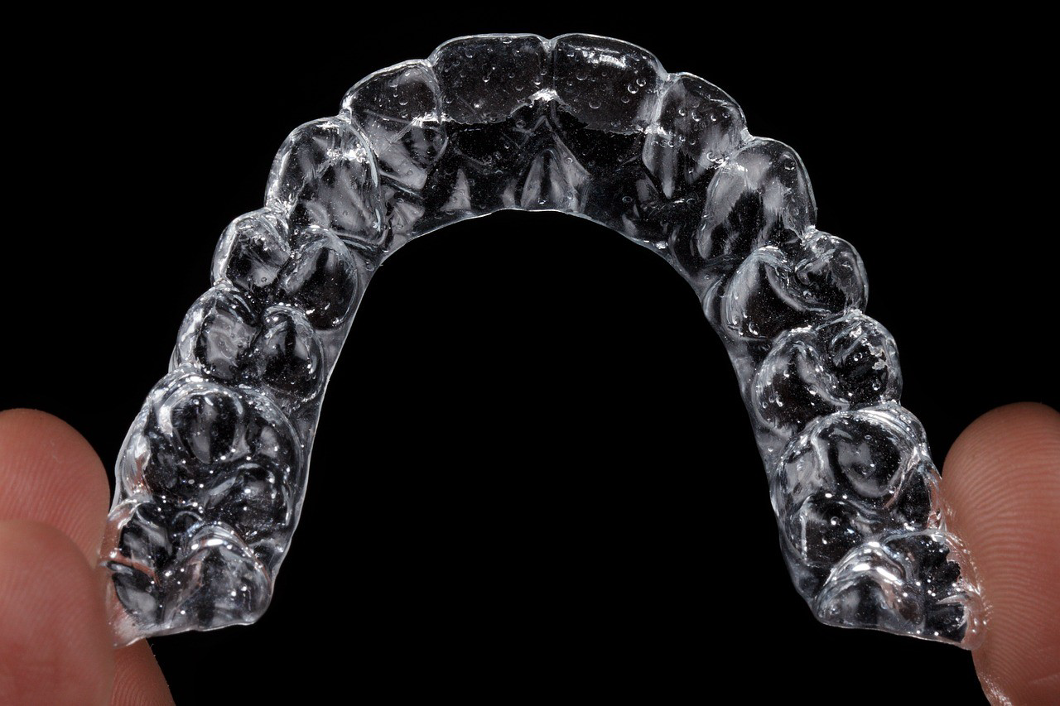
A radiant smile can be a game-changer, boosting confidence and leaving lasting impressions. Yet, for many, the path to that perfect smile is paved with questions and concerns. Enter Invisalign – the revolutionary orthodontic treatment that’s been turning heads and straightening teeth without the fuss of traditional braces. ✨ But here’s the burning question on everyone’s mind: Is Invisalign worth the investment? With treatment costs often higher than conventional alternatives, it’s crucial to weigh the benefits against the price tag. This blog post delves into the world of Invisalign, breaking down costs, comparing options, and helping you determine if this clear aligner treatment aligns with your dental goals and budget. From understanding the treatment process to evaluating long-term value, we’ll guide you through everything you need to know to make an informed decision about investing in your smile. Understanding Invisalign Treatment A. What is Invisalign? Invisalign is a revolutionary orthodontic treatment that uses clear, removable aligners to straighten teeth. These custom-made aligners are virtually invisible, offering a discreet alternative to traditional metal braces. Invisalign aligners are made from a flexible, BPA-free plastic material that fits snugly over the teeth, gradually shifting them into the desired position. B. Treatment timeline The Invisalign treatment timeline varies depending on individual needs, but typically ranges from 12 to 18 months. Here’s a general overview of the process: C. Benefits over traditional braces Invisalign offers several advantages compared to traditional braces: Invisalign Traditional Braces Removable Fixed Nearly invisible Noticeable metal brackets No food restrictions Dietary limitations Easier oral hygiene Challenging to clean Comfortable May cause irritation Fewer office visits More frequent adjustments D. How Invisalign works Invisalign utilizes advanced 3D computer imaging technology to create a series of custom aligners. Each set of aligners is worn for about two weeks, gradually moving the teeth into their prescribed positions. The treatment process involves: Patients wear the aligners for 20-22 hours per day, removing them only for eating, drinking, and oral hygiene. This flexibility allows for a more comfortable and convenient orthodontic experience compared to traditional braces. Now that we’ve covered the basics of Invisalign treatment, let’s delve into the costs associated with this innovative orthodontic solution. Breaking Down Invisalign Costs Hidden Expenses to Consider When considering Invisalign treatment, it’s crucial to factor in potential hidden costs. These may include: Replacement aligners Additional appointments Post-treatment retainers Financing Plans and Payment Options Many orthodontists offer flexible payment plans to make Invisalign more accessible: Monthly installment plans In-house financing options Third-party financing services Insurance Coverage Options Insurance coverage for Invisalign varies widely: Insurance Type Typical Coverage Dental Insurance Partial coverage (up to 50%) Orthodontic Insurance May cover a portion of treatment FSA/HSA Can be used for Invisalign costs Factors Affecting Cost Several factors influence the overall cost of Invisalign treatment: Average Price Range The average cost of Invisalign treatment typically falls within a specific range: Low-end: $3,000 High-end: $8,000 Average: $4,500 – $5,500 It’s important to note that these figures can vary based on individual cases and locations. Consulting with an experienced Invisalign provider will provide a more accurate estimate tailored to specific needs. Now that we’ve broken down the costs associated with Invisalign, let’s compare it to alternative treatments to help you make an informed decision. Comparing Invisalign to Alternative Treatments When considering orthodontic treatment, it’s essential to compare Invisalign with other options to make an informed decision. Let’s explore how Invisalign stacks up against alternative treatments: A. Ceramic braces Ceramic braces offer a more discreet option compared to traditional metal braces. However, they still use brackets and wires, which can be visible and may cause discomfort. Feature Invisalign Ceramic Braces Visibility Nearly invisible Less noticeable than metal, but still visible Comfort Smooth, removable aligners Fixed brackets may cause irritation Treatment time 12-18 months on average 18-36 months on average Maintenance Easy to clean, removable Requires special cleaning techniques B. At-home clear aligners At-home clear aligners have gained popularity due to their convenience and lower cost. However, they lack professional supervision, which can be crucial for complex cases. Pros of at-home aligners: Lower cost Convenience of home treatment Cons of at-home aligners: Limited suitability for complex cases Lack of in-person professional monitoring C. Lingual braces Lingual braces are placed behind the teeth, making them virtually invisible. However, they can be more challenging to adjust to and may affect speech initially. Feature Invisalign Lingual Braces Visibility Nearly invisible Completely hidden Comfort Smooth, removable aligners May cause tongue irritation Speech impact Minimal May affect speech initially Cost Generally less expensive Often more expensive D. Traditional metal braces While highly effective, traditional metal braces are the most visible option and can cause discomfort due to the brackets and wires. Advantages of Invisalign over traditional braces: Aesthetically pleasing Removable for eating and cleaning Generally more comfortable Fewer office visits required Now that we’ve compared Invisalign to alternative treatments, let’s explore the long-term value of choosing Invisalign for your orthodontic needs. Long-Term Value of Invisalign Potential Career Benefits Investing in Invisalign can yield significant career benefits. A confident smile can make a lasting impression in professional settings, potentially leading to: Improved performance in job interviews Enhanced presentation skills Increased self-assurance in client interactions Reduced Risk of Future Dental Issues Properly aligned teeth contribute to better oral health, reducing the likelihood of: Tooth decay Gum disease Jaw problems This preventive approach can lead to substantial savings on future dental treatments. Boost in Self-Confidence The psychological impact of a straighter smile cannot be overstated. Invisalign can provide: Increased willingness to smile in social situations Enhanced self-esteem in personal and professional life Greater comfort in photographed moments Improved Oral Health Invisalign treatment goes beyond cosmetic benefits, offering tangible improvements to oral health: Benefit Description Easier cleaning Straight teeth are easier to brush and floss effectively Reduced wear Proper alignment reduces abnormal wear on teeth Better bite Corrected bite issues can alleviate jaw pain and headaches The long-term value of Invisalign extends far beyond the initial investment. By addressing both aesthetic and functional aspects of dental