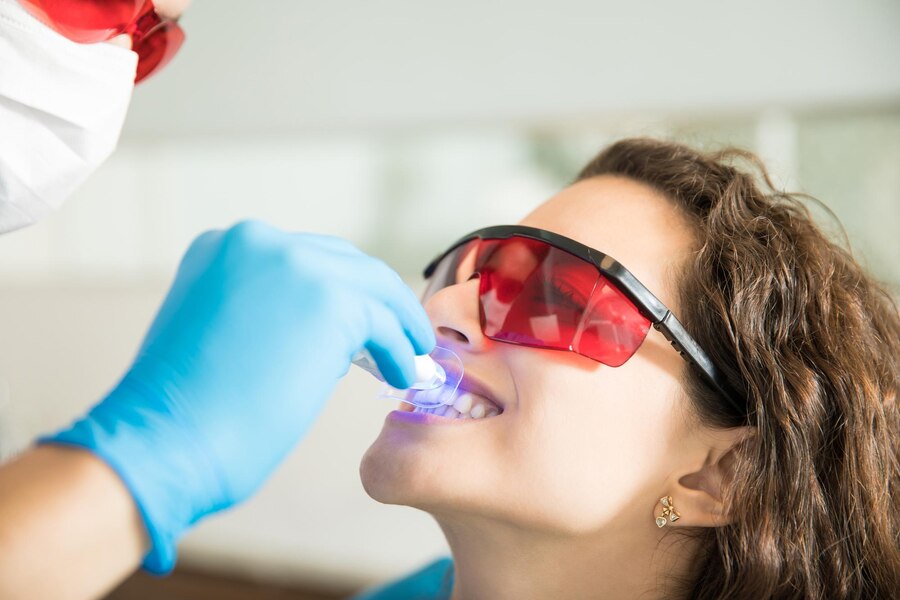
Orthodontics is a specialized branch of dentistry that focuses on diagnosing, preventing, and treating dental and facial irregularities. Orthodontists play a critical role in ensuring that teeth and jaws are properly aligned, improving both aesthetics and function. Whether it’s correcting a crooked smile or addressing bite issues, orthodontists help people achieve healthier, more beautiful smiles. In this comprehensive guide, we’ll walk you through everything you need to know about orthodontists, their treatments, and how they contribute to overall dental health. If you’re searching for a Winter Haven orthodontist, this article will also provide insights into why orthodontic care in this area is top-notch. Who is an Orthodontist? Orthodontists are dental specialists who have undergone additional training beyond dental school. After earning a degree in general dentistry, orthodontists pursue several more years of education and residency in orthodontics. This specialized training enables them to focus on diagnosing and correcting misaligned teeth, improper bites, and jaw irregularities. Their expertise extends beyond cosmetic issues; they also address functional concerns that can impact a person’s ability to chew, speak, and maintain oral hygiene. Orthodontists use various methods and tools, including braces, retainers, aligners, and more advanced techniques, to help align teeth and jaws into their proper position. How Do Orthodontists Differ from Dentists? While both dentists and orthodontists work to improve oral health, their focus and training are different. Dentists provide a broad range of services, including cleanings, fillings, extractions, and overall dental care. Orthodontists, on the other hand, focus solely on correcting teeth and jaw alignment. General dentists may refer patients to an orthodontist when they identify issues that require specialized treatment. Although some general dentists offer orthodontic treatments like Invisalign, an orthodontist is usually better equipped to handle more complex alignment issues and long-term treatment plans. Common Orthodontic Problems Orthodontists treat a variety of dental and facial problems, many of which involve misalignment of the teeth or jaw. Here are some of the most common issues orthodontists address: 1. Crowded Teeth When there isn’t enough space in the mouth for all teeth to fit properly, it can lead to crowding. Crowded teeth can overlap or rotate, making it difficult to clean between them. This increases the risk of cavities and gum disease. 2. Overbite An overbite occurs when the upper front teeth overlap significantly over the lower front teeth. This can cause excessive wear on the lower teeth, jaw pain, and even lead to speech issues if left untreated. 3. Underbite An underbite happens when the lower teeth extend beyond the upper teeth. This condition can cause chewing difficulties, speech problems, and jaw pain. 4. Crossbite A crossbite occurs when some of the upper teeth fit inside the lower teeth rather than on the outside. This can affect the appearance of the smile and lead to uneven wear on the teeth. 5. Open Bite An open bite happens when there is a gap between the upper and lower teeth when the jaws are closed. This condition can cause speech issues and difficulty chewing. 6. Spacing Some people have gaps between their teeth due to missing teeth or unusually large spaces. While this can be a cosmetic issue, it can also affect how the bite functions. What Orthodontic Treatments are Available? Orthodontic treatments have evolved significantly over the years, offering patients a wide range of options based on their specific needs. The most common treatments include: 1. Traditional Braces Traditional metal braces are one of the most common and effective treatments for correcting teeth alignment. These braces consist of metal brackets attached to the teeth and connected by wires. Over time, these wires are adjusted to gently move the teeth into their proper positions. 2. Ceramic Braces Ceramic braces work similarly to traditional braces but use clear or tooth-colored brackets, making them less noticeable. They are a popular option for adults and teens who want a more discreet treatment while still achieving excellent results. 3. Clear Aligners Clear aligners, such as Invisalign, have become an increasingly popular option for both teens and adults. These custom-made, removable trays gradually shift teeth into alignment. Aligners are nearly invisible and allow patients to eat and clean their teeth with ease, making them a convenient and aesthetic option. 4. Lingual Braces Lingual braces are similar to traditional braces but are placed on the inside surface of the teeth, making them invisible from the outside. While they offer a discreet option for orthodontic treatment, they can be more difficult to clean and may take longer to adjust to. 5. Retainers Retainers are often used after the completion of orthodontic treatment to maintain the new position of the teeth. They can be removable or fixed and are an essential part of preventing teeth from shifting back into their previous positions. The Benefits of Orthodontic Treatment Orthodontic treatments offer a wide range of benefits beyond just achieving a straighter smile. These include: 1. Improved Oral Health Misaligned teeth can be more difficult to clean, leading to plaque buildup, cavities, and gum disease. By correcting alignment issues, orthodontic treatment makes it easier to maintain good oral hygiene. 2. Better Function Correcting bite issues like overbite or underbite can improve your ability to chew, speak, and breathe more effectively. Proper jaw alignment can also reduce strain on the jaw muscles and joints, alleviating pain or discomfort. 3. Enhanced Appearance Orthodontic treatments improve the appearance of your smile, boosting your self-esteem and confidence. A straight, well-aligned smile can enhance both your personal and professional life. 4. Prevention of Further Issues Correcting misalignment early on can prevent more serious dental issues down the line. For example, addressing crowding can reduce the risk of cavities and gum disease, while correcting bite issues can prevent premature wear on the teeth. When Should You See an Orthodontist? It’s recommended that children visit an orthodontist around the age of 7, as this is when permanent teeth begin to emerge. Early visits allow orthodontists to identify potential problems and develop a treatment plan to guide the growth of