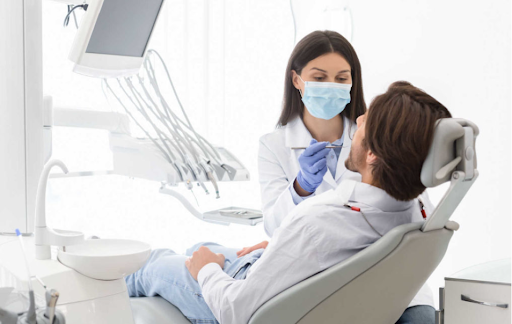
You might think smoking is a personal habit that stays hidden, especially during a short visit to the dentist. But here is the truth: dentists can usually tell you if you smoke, and they do not need to ask. The signs are often clear in your mouth, teeth, and gums. Even if you brush regularly or use mouthwash, some effects of smoking are hard to hide. And most important, dentists are trained to notice these minor but obvious signs. Your mouth says a lot about your health, and smoking leaves behind clues that are easy to spot. So, if you have ever wondered, “Can a dentist tell if I smoke?”—the answer is YES! This article will explain how they know and why it matters. How Smoking Affects Your Mouth? Smoking does not just harm your lungs; it also takes a serious toll on your oral health. Cigarettes, cigars, and even vaping products can damage the soft tissues in your mouth. They reduce blood flow, slow down healing, and increase your chances of gum disease and tooth decay. Over time, smoking also changes the color of your teeth and even your tongue. One of the biggest smoking effects on teeth is how it dries out your mouth. When there is not enough saliva, your mouth can not clean itself properly. This makes it easier for bacteria to grow and harder for your body to fight infections. These small changes build up and become very noticeable during a dental checkup. Sign #1: Teeth Discoloration: One of the first things a dentist might notice is the color of your teeth. Smoking stains your teeth with a yellow or brown plaque, especially near the gums. This happens because the nicotine and tar in tobacco stick to your enamel. Even if you brush often, these stains are tough to remove. Dentists can usually tell if the stains are from coffee, tea, or tobacco. Tobacco stains tend to look darker and cover more of the tooth surface. If a dentist sees these deeper stains, it is a strong sign of smoking in the mouth that the patient is a smoker or uses tobacco in some form. Sign #2: Bad Breath That Won’t Go Away Another big clue is bad breath. Smoking gives you a strong, smoky odor in your mouth, and it often does not go away with mints or mouthwash. This happens because smoke dries out your mouth and helps bacteria grow. Over time, this bacteria leads to a constant lousy smell that dentists call “smoker’s breath.” A dentist might not say something right away, but if the smell is strong or mixed with signs of gum problems, it is usually enough for them to know what’s going on. Sign #3: Gum Problems and Inflammation Gums are also a big giveaway. Healthy gums should be pink and firm. But smoking can make them look darker, swollen, or uneven. It also causes more plaque to build up, which leads to gum disease. Gum disease is a common problem among smokers, and dentists know the warning signs. If your gums bleed easily, look red or purple, or pull away from your teeth, a dentist will suspect smoking, poor oral hygiene, or sometimes both. And here is something most people do not know: smoking makes it harder for your gums to heal. So, if a patient has had dental work but is not healing well, that is another clue that smoking may be involved. Sign #4: Slow Healing After Dental Procedures Whether it is a tooth extraction, gum surgery, or even a simple cleaning, your mouth needs time to heal. But if you smoke, that healing takes much longer. This is because smoking limits oxygen in your blood and weakens your immune system. So, during a dental examination, if a dentist notices that your mouth is not healing as fast as it should, they might ask about your smoking habits. Even if you try to hide it, the healing speed or lack of it is a clear sign. Sign #5: Changes in the Tongue and Inside of the Cheeks Dentists also check the soft tissues inside your mouth. Smoking can change the way your tongue and cheeks look. The tongue may appear coated or have a white, rough surface. In some smokers, the tongue might even look black or hairy due to a buildup of dead cells and bacteria. The inside of your cheeks may also show signs of irritation or white patches, which dentists call “leukoplakia.” These changes don’t happen overnight, but over time, they become noticeable, and they are often linked directly to smoking. Sign #6: Vaping Is not Off the Hook, Either Many people think that switching to vaping will keep their mouths healthier. But that is not completely true. While vaping may cause less staining, it can still dry out the mouth and lead to gum irritation. Some vape liquids also contain nicotine, which affects healing and increases the risk of gum disease. Dentists are trained to notice the effects of vaping, too. So, even if you have switched from cigarettes to e-cigarettes, your dentist might still be able to tell. Why Quitting Makes a Big Difference? If you have been thinking about quitting smoking, your mouth gives you a great reason to start. Your gums begin to heal within a few weeks of quitting. After healing, your breath smells better, and your mouth feels cleaner. Your risk of gum disease and oral cancer also goes down gradually. Even if you have smoked for years, you can protect your teeth and gums from more damage till now by stopping smoking. Further, your dentist can help track your progress and notice the improvements. It is never too late to make a healthy change. Why Choose DKO Smiles? At DKO Smiles, we care about more than just your teeth. We take care of your comfort, health, and confidence. Our professional team takes time to listen and explain everything clearly, so you will always feel at
A Guide to Different Types of Braces for Adults!
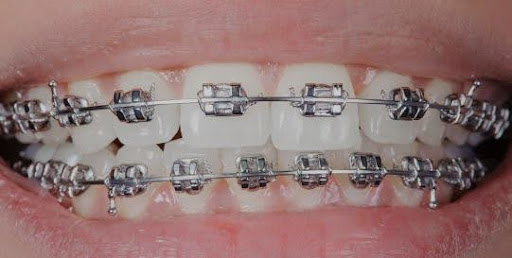
Braces aren’t just for kids and teens. Many of adults choose braces to straighten their teeth to have a healthier smile. Braces can make a big difference to your journey to straight teeth. Whether it’s to fix crooked teeth, close gaps, or improve bite issues. The good news is that modern braces are more comfortable and less noticeable than ever before. Some options are even nearly invisible. But with so many braces available, it can be hard to know which one is right for you. Each type has its benefits, costs, and level of maintenance. Some work faster, while others are more discreet. In this guide, we’ll explore the different types of braces for adults and help you decide which one might suit you best. Traditional Metal Braces Traditional braces are not only one of the oldest but also commonly used type of braces. They come with metal brackets that help them to attach with teeth through a wire. Small rubber bands, called ligatures, hold the wire in place. Over time, the wire is adjusted to gradually shift the teeth into the correct position. Adult metal braces are the most effective braces. They can fix even the most severe dental issues, including misaligned bites, overcrowding, and large gaps. They are also usually the most affordable option. However, metal braces are very noticeable, making some adults self-conscious. They may cause some discomfort, especially after adjustments. But with technological advancements, modern metal braces are comfortable and smaller in size. Ceramic Braces Ceramic braces almost work like metal braces but comes with clear or tooth-colored brackets that blend in with your teeth. This makes them a more discreet option for adults who don’t want their braces to be too noticeable. The big benefit of ceramic braces is their beautiful appearance. They are much less visible than metal braces, making adults feel more confident during treatment. They work the same as traditional braces for straightening teeth. However, they can be more expensive than metal ones. They are also slightly more fragile, so they require extra care. The clear brackets can also stain if you eat dark-colored foods or drinks like coffee and red wine. However, with proper maintenance, they can be an excellent option for adults who want a less obvious look. Lingual Braces Lingual braces are a lot different from traditional braces. Instead of front they are placed behind of your teeth. So, they are entirely invisible while use. Brackets and wires are used like the metal braces, so they provide effectiveness similar to metal braces. The biggest benefit of these lingual braces is that no one can see them. This makes them popular for adults who want to straighten their teeth without anyone knowing. They are also customized to fit the shape of each person’s teeth, making them very precise. However, lingual braces have some downsides. They can be uncomfortable initially because they are so close to the tongue. They can also be more challenging to clean since they are placed inside the teeth. Plus, they tend to be more expensive than other types of braces. But for those who want a completely hidden treatment, they are a great choice. Clear Aligners (Invisalign) Clear aligners, like Invisalign, have become one of the most popular choices for adults. They are removable trays made of clear plastic that fit over the teeth and gradually move them into place. A new set of aligners is provided every few weeks to continue the straightening process. The biggest advantage of clear aligners is their nearly invisible appearance. Since they are clear, most people won’t even notice you’re wearing them. They are also removable, so you can take them out when eating, drinking, or brushing your teeth. This makes them much more convenient than traditional braces. However, clear aligners only work for mild to moderate dental issues. They may not be effective for severe cases. They also require discipline because they must be worn for at least 20–22 hours to be effective. If you forget to wear or remove them too often, they won’t work either. They may be more expensive than traditional braces. But for adults who want a nearly invisible and comfortable option, they are an excellent choice. Self-Ligating Braces Self-ligating braces look similar to traditional metal and ceramic braces but have a unique design. Instead of elastic bands to hold the wire in place, they have built-in clips. This allows the wire to move more freely and makes adjustments easier. One of the biggest benefits of self-ligating braces is that they can reduce the time spent at the orthodontist. Since they don’t use rubber bands, there’s less friction, which can make them more comfortable. They also tend to work a little faster than traditional braces. However, self-ligating braces can still be noticeable, especially the metal version. They are also usually more expensive than traditional metal braces. However, they can be a good option for those who want a more comfortable and slightly faster treatment. Choosing the Right Braces for You Choosing the correct type of braces depends on several factors, including your budget, lifestyle, and dental needs. Metal braces might be the best choice if you want the most effective and affordable option. If you prefer something less visible, ceramic braces or clear aligners could be better. For those who wish for a completely hidden option, lingual braces might be ideal. It’s also important to consider how much time and effort you’re willing to put into your treatment. Some options require more maintenance and discipline than others. Talking to your dentist can help you decide which braces will work best for your situation. Where to Get the Best Braces For Adults? When your focus is on choosing the best braces for adults, you have many options. Choosing the type is important, but the same is true of selecting the dentist. Until you have an expert dentist, you can not get results for your braces. We recommend Dietrich & Kelso Orthodontics for the best braces
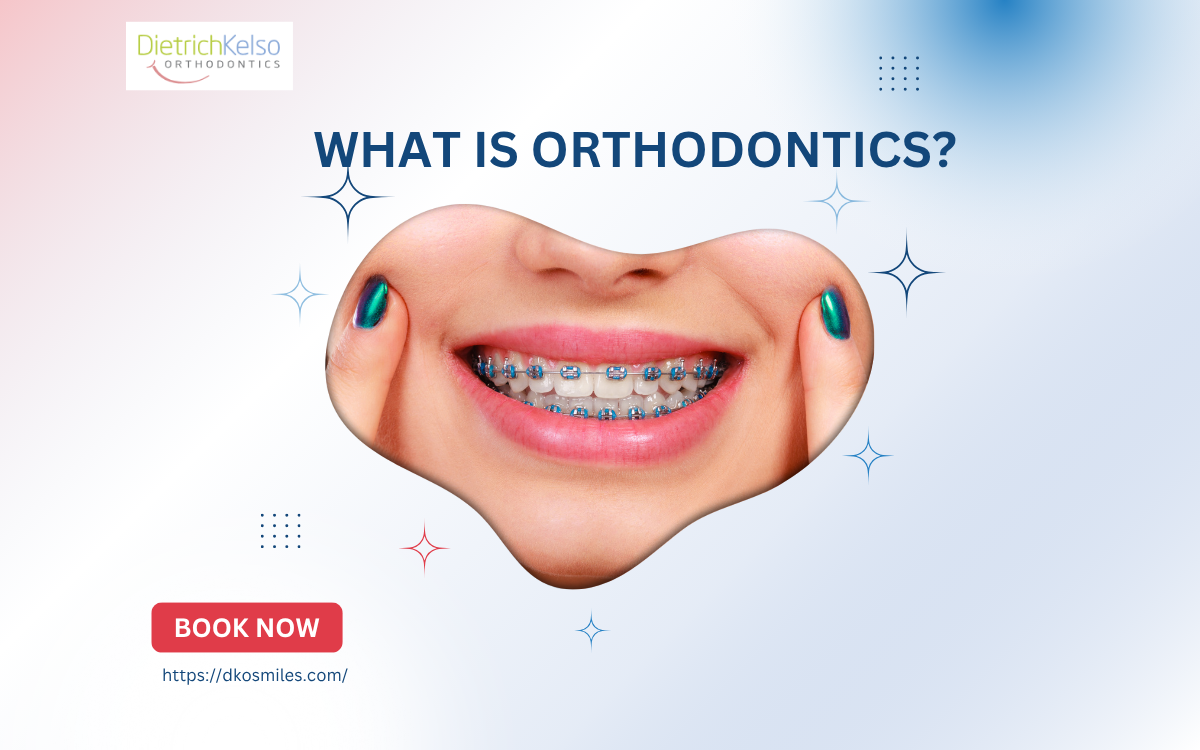
What is Orthodontics?
Orthodontics is a medical term for a unique dental specialty concerned with aligning teeth and correcting bite problems. It helps individuals have a healthier, more pleasing smile by adjusting for crooked teeth, gaps, and uneven jaw alignment. Most people perceive orthodontic treatment as solely cosmetic, yet it also enhances oral health. When teeth are in their correct position, they can be cleaned more easily, reducing the risk of cavities and gum disease. Orthodontics also assists in chewing, speech, and even breathing. Orthodontic treatment can improve someone’s life significantly, from children to adolescents to adults. Thanks to today’s treatments such as braces and clear aligners, a straight smile is more achievable and comfortable than The Purpose of Orthodontics The primary aim of orthodontics is to enhance the function and beauty of teeth. Some individuals have straight teeth, but numerous others have alignment issues. These may be caused by genes, thumb-sucking habits, or injuries. Misaligned teeth can result in severe dental problems. Uneven pressure against the teeth may result in excessive wear, and a poor bite leads to jaw pain and headaches. Orthodontists correct these problems by employing various treatments that gradually shift teeth into their correct places over time. This not only improves an individual’s smile but also prevents future dental issues. What are the Common Orthodontic Problems? There are several dental issues that dentistry & orthodontics can correct. Overcrowding: One of the most prevalent is overcrowding, in which teeth do not have sufficient room to develop correctly. This can make cleaning challenging and result in cavities and gum disease. Overbite: Another problem is overbite, in which the top front teeth protrude too far over the bottom teeth. This can occasionally lead to speech impediments or even damage the front teeth. Underbite: However, the third condition, underbite results when the lower teeth project past the upper teeth and can influence chewing and speaking. Crossbites: Orthodontics may also address crossbites and tooth gaps. These issues can affect oral function and self-esteem, but with proper treatment, they can be fixed. Types of Orthodontic Treatments Orthodontics dental procedures include several options to align teeth and fix jaw alignment. Type 1: Conventional Metal Braces The most recognized procedure is conventional metal braces. They consist of brackets, wires, and rubber bands that move teeth slowly into the correct position. Although they have existed for decades, traditional braces are smaller and more comfortable than their predecessors. Type 2: Invisalign Clear aligners, like Invisalign, are another favorite option. These are removable, custom-made trays that gradually shift teeth without the use of metal brackets. They are almost invisible and permit patients to eat and brush their teeth normally. Other Types Other orthodontic procedures include ceramic braces, lingual braces, and retainers, which preserve outcomes after braces are removed. Who Requires Orthodontic Treatment? Orthodontic treatment is not limited to children and teens. Several adults also seek treatment to enhance their smiles and oral health. The ideal time to begin therapy is typically when one is still a child or adolescent and the jaw has not yet fully developed. Adults can also use orthodontic dental care, although with the numerous unobtrusive alternatives that have been developed nowadays. Other individuals might require orthodontic care for health-related reasons, such as correcting an extreme bite disorder that causes discomfort or even makes chewing painful. Other individuals just desire to beautify their smile and improve their confidence. Irrespective of the motivation, an orthodontist can examine every patient’s needs and advise on the optimal course of action. The Benefits of Orthodontic Treatment Getting orthodontic treatment comes with several benefits. First, it enhances oral health through easier-to-clean teeth. With teeth in good alignment, brushing and flossing are more efficient, cutting down on cavities and gum disease. Two, an even bite eliminates undue wear and tear on teeth, making them last longer. Orthodontic care can even enhance speech by realigning problems that hinder correct pronunciation. A straight smile is also healthy. It can improve self-esteem and make individuals feel more confident in social and professional situations. Most patients learn that after treatment, they smile more frequently and feel better about their appearance. What Are the Disadvantages of Orthodontic Treatment? One of the most difficult aspects of orthodontic treatment is the time involved. Some individuals finish treatment in less than a year, while others take two years or more. Because each case is unique, the time varies. Your orthodontist can provide more insight into what to anticipate. Another issue is oral hygiene. You can be more prone to cavities if you don’t brush around braces or other orthodontic devices correctly. Keeping your teeth and gums healthy during treatment requires following your orthodontist’s cleaning instructions. Why Choose DKO Smiles? DKO Smiles offers personalized orthodontic care for the whole family. We focus on transforming smiles and boosting confidence. We have a dedicated team, expert care, and the latest technology. Our customized dental procedures guarantee an improved smile. So, whenever you need some trusted orthodontists, browse our website and contact us. Conclusion Orthodontics, a medical term, goes beyond straightening teeth. It is important to overall dental wellness and health. Whatever the issue, from overcrowding of teeth to a bite issue or simply needing a more confident smile, what is ortho can make a real difference in someone’s life. With treatments ranging from metal braces to clear aligners and retainers, there is an option for everyone. Though the process is not quick, the outcome is well worth it. A healthy and straight smile appears wonderful and enhances oral health, speech, and overall comfort. The initial step toward a healthier and happier smile is to visit a qualified orthodontist
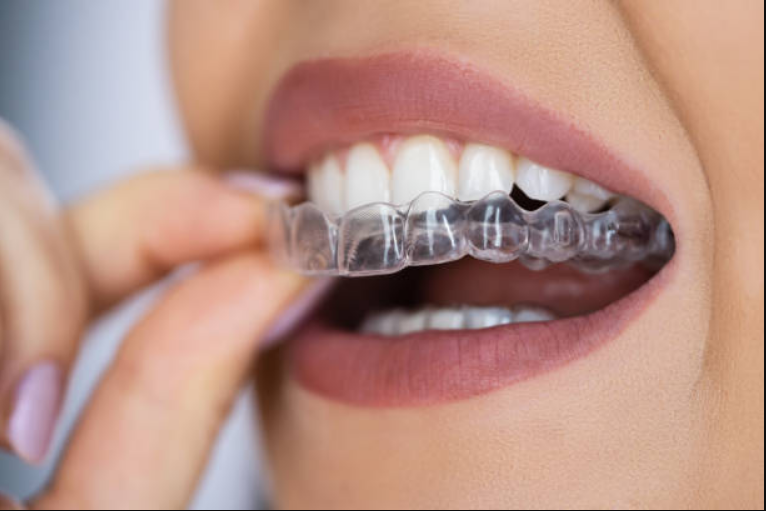
Invisalign vs. Braces Cost: Which One Is More Affordable?
In dentistry, Invisalign and traditional braces are the two most effective methods for aligning the teeth. Both treatments will give you the same beautiful smile, but at different costs. The right treatment for you depends on your personal preference, budget, and dental requirements. Invisalign may be more expensive, but braces can cost you less in the end. Is that true? Our blog post will provide you with the cost of Invisalign vs. braces. We will look at both the upfront price and the long-term costs. So, by the end of this article, you will know which is the most affordable option for you. Upfront Costs: Invisalign vs. Braces When deciding between the two, you must know the Invisalign cost vs braces cost. The cost of traditional metal braces is usually between $3,000 and $7,000. Prices can change depending on your situation and the length of time you will need to wear braces. The typical cost of Invisalign is between $3,000 and $8,000. The price depends on how many aligner trays you need and how frequently your orthodontist or dentist adjusts the treatment. Indeed, there is a big price difference between braces and Invisalign, but Invisalign’s total cost is usually higher. Insurance Coverage and Payment Plans Most dental plans can cover these orthodontic treatments to help you reduce the cost of Invisalign or braces. Insurance can make both treatments more affordable. Your insurance plan and provider will collectively determine the amount of coverage. Most plans offer coverage up to half the price, but others provide a set amount between $1,000-$3,000. Flexible payment options can help manage the price of braces vs. Invisalign better. Payment plans are available for both Invisalign and braces. Orthodontists often offer payment plans that are spread out over a period of time. This allows patients to pay for treatment without having to pay the entire cost upfront. Many providers offer interest-free financing that will enable them to spread the cost over time. Maintenance and Additional Costs You should not stop at the average cost of Invisalign and braces. You should also consider some additional fees, such as extra appointments with traditional braces for adjustment and emergency visits in case a bracket or wire breaks. You may be charged extra for these visits, particularly if you do not have health insurance. You will need fewer office visits with Invisalign. Still, it is important to keep track of the aligners because how expensive is Invisalign is totally depends on the Invisalign aligners cost. You may have to replace a tray if you lose it, and this can increase the cost. Both Invisalign braces and Invisalign require retainers to keep the results. The cost of retainers can range from $100 up to $500 depending on its material and type. Effectiveness and Treatment Duration The length of treatment also decides braces or Invisalign costs. Traditional braces can be worn from 18 months to 36, depending on severity. As you continue to wear your braces for longer, they will require more maintenance and adjustments, increasing the overall cost. The treatment time for Invisalign patients is shorter because they wear them for 12-18 months. If you do not wear the aligners according to instructions, your treatment can take longer and cost more. Invisalign’s effectiveness depends on the patient’s discipline, whereas braces always work without extra effort. Long-Term Cost Considerations Although the upfront cost of braces and Invisalign may be the same, the costs over time can differ. So, which is cheaper, braces or Invisalign? Braces work constantly to shift your teeth because they are permanently fixed. On the other hand, if you are not consistent with Invisalign, then you may need to purchase additional aligners. Braces give the orthodontist more control, which reduces the chance of extra delays and costs. Invisalign users may also need to refine their treatment after the initial phase, which will result in additional fees. Traditional braces may be cheaper if you consider the upfront cost. Invisalign is more flexible and requires fewer emergency visits, saving you money over time. Invisalign vs braces cost comparison shows that braces become more expensive only when they need extra treatments such as removing plaque or fixing damaged brackets. These can add to their cost. Which One Is More Affordable? If you constantly think “How much does Invisalign cost” or “How much is Invisalign”, keep in mind that the answer depends on your individual needs. Check your dental plan to see how much each procedure will cost. Certain plans may offer better coverage than others for certain options. Consider your lifestyle. If you want a discrete and comfortable treatment, then Invisalign is the better choice. According to us, braces are a better option if you are not bothered by wearing metal brackets, and you want to be able to predict the outcome. Why Choose DKO Smiles? DKO Smiles offers personalized orthodontic care for the whole family. We focus on transforming smiles and boosting confidence. We have a dedicated team, expert care, and the latest technology. Our customized dental procedures guarantee an improved smile. So, whenever you need some trusted orthodontists, browse our website and contact us. Final Thoughts! To sum up, the cost of Invisalign vs. braces goes beyond the price. Braces can be more expensive initially but require less maintenance. While Invisalign is often more expensive, it offers comfort and convenience. So, you must consult an orthodontist about your treatment options to determine which one is best for you. Investing in your smile, no matter what you decide to do, is worth the investment.

What Age Do Kids Get Braces?
Braces can improve kids’ appearance, speech, and oral health and help protect them from future dental issues. But every parent asks, “At what age do kids get braces?” The best age for braces can vary from child to child because it depends on factors like health, bite, and tooth condition. Some children get in at an early age, while others can get in at an age above nine. This blog will help you to understand when your kids can get braces and why kids need braces. You can explore the signs and how you have to support your children through the process. When Do Kids Get Braces? The right time for braces depends on how a child’s teeth and jaw develop. Most orthodontists recommend an initial consultation around age seven. At this stage, kids have a mix of baby and permanent teeth, which allows the orthodontist to spot any potential problems early. However, this doesn’t mean they will get braces right away. Instead, the orthodontist may monitor their growth and suggest treatment at the right time. For many kids, the ideal age to get braces for teeth is between nine and fourteen. By this time, most permanent teeth have come in, and the jaw is still growing. This makes it easier to guide the teeth into the right position. Some kids, however, may need braces earlier if they have severe dental issues, like an overbite, underbite, or crowding. Signs That a Child May Need Braces Parents often wonder how to tell if their child needs braces. While an orthodontist gives the final recommendation, there are some clear signs to look for. If a child has crowded, crooked, or overlapping teeth, braces can help create a straighter smile. Braces can also correct large gaps between teeth. Another common reason kids need braces is bite problems. If a child has an overbite (where the upper teeth stick out too far), an underbite (where the lower teeth stick out), or a crossbite (where teeth don’t line up correctly), braces can fix these issues. Other signs include difficulty chewing, biting the inside of the cheeks, or early loss of baby teeth. If a child has trouble speaking clearly due to misaligned teeth, braces might also help. Early vs. Late Treatment Some children need early orthodontic treatment, which is known as phase one treatment. This typically happens between ages six and ten and is used to correct serious dental issues before they become more severe. Early treatment may include partial braces, retainers, or expanders to help widen the jaw. This can create more space for permanent teeth and prevent more complicated problems in the future. For other kids, waiting until they are older is the better option. Late treatment, which usually happens between ages twelve and sixteen, is more common. All or most permanent teeth have come in at this stage, and orthodontists can fully correct alignment and bite issues. The decision between early and late treatment depends on the child’s specific needs. Types of Braces for Kids You have several options for braces for your kids. Here are the three major types of braces for kids. · Traditional Metal Braces The first and most common type of braces is traditional metal braces. In such types of braces, metal brackets and wires are used. These wires and brackets gradually move teeth into the correct place. Traditional metal braces are very effective and suitable for most children. · Ceramic Braces Another type is ceramic braces. They are also effective as metal braces but come with clear or tooth-colored braces that are unnoticeable. If you want less noticeable braces, ceramic braces are the best option for your kids. · Invisalign or Clear Aligners Nowadays, Invisalign or clear aligners are also becoming a popular choice. They come with soft, clear plastic trays that are easily removable. However, they can only be considered for older kids because they need to follow instructions properly to get results. How Long Do Kids Need to Wear Braces? The length of time a child wears braces depends on their dental needs. On average, most kids wear children’s dental braces for about one to three years. Some may need them for a shorter time, while others with more severe issues may need longer treatment. After braces are removed, kids usually wear retainers to push their teeth in the correct place and prevent them from shifting back. The Cost of Braces Children’s braces can be a big financial commitment. The cost depends on the type of braces, the treatment length, and the complexity of the dental issues. Traditional metal braces are affordable, while Invisalign and ceramic braces can be more expensive. Many dental insurance plans help cover part of the cost, and some orthodontists offer payment plans to make treatment more manageable. How Parents Can Support Their Child? Getting braces is a new experience for kids, and they need their parents’ help. With proper attention and help, the process becomes exciting and smooth. Parents can help their kids by giving them soft foods and over-the-counter painkillers to prevent soreness. Encouraging proper oral hygiene is important. Braces need extra care to keep teeth clean and healthy. Kids should brush after every meal, floss daily, and use special orthodontic brushes if needed. Regular dental checkups are also essential. It’s also helpful to boost a child’s confidence. Some kids feel self-conscious about wearing braces. Parents can remind them that braces are temporary and that the end result will be a beautiful smile. Celebrating small milestones, like getting the first set of rubber bands or finishing treatment, can make the process feel more positive. Who Is The Best Teen Orthodontist? When getting braces for kids, choosing the best teen orthodontist is essential. Parents are curious about their kids’ health, so only get treatment when you are satisfied. However, the problem that makes this process complex is the availability of too many options. You may have several dental clinics around you that claim them as the best treatment center

Clear Braces vs. Metal Braces: Which Option Is Right for You?
Getting braces is a very important procedure when you want to improve the health of your teeth and feel confident while smiling. Braces do not just correct positioning problems but also beautify the teeth. When it comes to orthodontic treatment, you usually have two main choices that are metal braces or clear braces. Both options have their advantages and are viable. So, selecting the type that is best for you may be challenging. In this blog post, I will discuss the differences between these two types of braces, including their appearance, comfort, and cost. Whether you are a teen or an adult, we will help you decide which option better suits your needs and lifestyle. Let’s dive in and explore your choices! What are Clear Braces? Clear braces are a modern orthodontic option for straightening teeth. They work like traditional metal braces, but they are less noticeable. This is due to their construction using tooth-colored or transparent materials. If you do not like a metallic look, they match your teeth and are a good option for you. How They Work Like metal braces, clear braces have brackets that attach to teeth and wires that gently move teeth time and again to bring them back into proper alignment. The bracket is glued to the tooth, and the wire goes through the bottom pieces between two adjoining ones. The wire also offers the proper force as your teeth can move by being retightened over time. All this will proceed without a hitch, and you should notice the results. Material Used Usually, the brackets on clear braces are constructed of ceramic or a composite material. To make them invisible, there is a very thin layer on the wires. These materials make clear braces very strong and fit to do what they are required to do: Without looking fake, correct the teeth’ positioning. So now that we know what clear braces are and how they work, let’s get to know the people who can actually use them comfortably. Who are the Ideal Candidates for Clear Braces? People who don’t want to wear metal braces in their mouths will prefer clear braces. Teens, as well as adults who are receiving treatment for a while and develop an objection to how they look, are the most common group who have them. While these aligners work best for people with mild to moderate orthodontic issues, the orthodontist will treat your dental issues differently if your dental problems are a little different. What are Metal Braces? Metal braces are one of the best and most popular types of orthodontic treatments. They employ brackets, wires, and elastic bands to gradually reposition teeth to the right position over time. How They Work Braces are fixed to your teeth, and the wire goes through them all the way. The wire exerts force on your teeth one step at a time, gently and evenly. It helps keep your teeth in proper alignment and corrects an improper bite. Your dentist will adjust your braces regularly to ensure your progress and treatment are as planned. Materials Used The main materials used in the manufacture of metal braces include premium-grade titanium or stainless steel. Both are strong and durable and do not rust easily. Therefore, they are suitable for long-term use. As the bracket is small, it is attached to your tooth with strong cement. The wire can bend and use light force to get the desired orientation Sometimes, patients ask their dentist to use colored or clear rubber bands to make their braces look a little more ridiculous and less noticeable. So, Who are the Ideal Candidates for Metal Braces? Metal braces are perfect for anyone – children, adolescents, and adults wanting faster treatment results. They are most preferable for those who may need extra strength and control due to more significant alignment or bite issues. There are normal and complex braces, and the good thing is that these complex braces suit everyone’s teeth at any age. Clear Braces vs. Metal Braces: A Comparison This table makes it easier to compare the features of metal braces and clear braces, helping you decide which option works best for your needs. Features Clear Braces Metal Braces 1- Appearance These are less noticeable as braces are tooth-colored or clear. The archwire can also be white, silver, or colorful for a subtle look. These are highly visible, as the metal brackets stand out against the white of your teeth. 2- Durability These are less durable than metal braces. So, ceramic brackets are more likely to chip or break. This type is very strong and durable, suitable for all kinds of dental corrections. 3- Staining Clear brackets can stain over time, especially with dark foods and beverages like coffee, tea, or wine. Because the metal brackets are resistant to discoloration, they do not stain. 4- Care Requirements Requires careful eating habits. Hard or crunchy foods can break brackets. It can handle tougher foods, but care is still needed to avoid damage. 5- Potential Tooth Wear It may cause wear on the enamel of the upper teeth if placed on the lower front teeth due to the abrasive material. It does not typically cause enamel wear. 6- Cost More expensive, ranging between $3,000 and $7,000. More affordable, ranging between $1,700 and $6,000. Why Choose DKOsmiles? If you are searching for satisfied orthodontic treatments, DKOsmiles is the best clinic to help you. The place provides more than 40 years of service, welcoming and highly qualified personnel to meet the highest level of care. Many of their team members have been with the practice for more than 33 years, so your visit will be not only pleasant but also memorable. Whether you choose clear or metal braces, DKOsmiles is committed to guiding you toward a confident and beautiful smile. Wrapping Up! The selection of clear or metal braces is a big step in your journey toward a healthier, straighter smile. I highlighted the features of both options, but the right choice

How to Clean Invisalign Retainers?
If you wear Invisalign retainers, keeping them clean is essential to prevent tooth decay and bad breath. These retainers can be disinfected while you wear them all day, but they can easily collect plaque, bacteria, and food particles. Proper cleaning helps you disinfect the Invisalign retainer. But how to clean Invisalign retainers? It is pretty simple if you read our blog. This blog will explore the best way to clean Invisalign retainers. Let’s get started. Why Cleaning Your Invisalign Retainers is Important? Since your retainers are in direct contact with your teeth, they can quickly build up bacteria. If you don’t clean them regularly, they may develop an unpleasant odor, discolor, or even contribute to bad breath. More importantly, dirty retainers can lead to gum infections, cavities, and other oral health problems. Just like you wouldn’t skip brushing your teeth, you shouldn’t neglect cleaning your aligners. A clean retainer helps you maintain a bright smile while also preventing bacteria from affecting your gums and teeth. How to Clean Invisalign Trays? Easy Ways Cleaning your Invisalign retainers daily is the best way to keep them fresh and free from bacteria. Every morning and night, you should give them a good rinse and gently brush them to remove any buildup. Follow these simple steps: Step 1: Rinse with Lukewarm Water Each time you remove your retainers, rinse them under lukewarm water to clean saliva and debris. Do not rinse with hot water; otherwise, the plastic can be damaged. Step 2: Brush Gently with a Soft Toothbrush Use a soft-bristled toothbrush and mild, clear liquid soap to gently scrub your retainers. Do not use toothpaste, as it can be too abrasive and cause scratches. Step 3: Rinse Again After brushing, rinse your retainers thoroughly under water to remove any soap or loosened debris. Step 4: Let Them Dry Before putting them back in, let your retainers air-dry for a few minutes. This saves moisture buildup, which can lead to bacteria growth. How to Deep Clean Retainers? Do you follow a regular cleaning routine but are still facing plaque or discoloration? If you are experiencing this, you should give a deep cleaning to your invisalign retainers once or twice a week. Here are a few tips for deep cleaning. Method 1: Soaking in Invisalign Cleaning Crystals Invisalign crystals are one of the fastest ways to deep clean Invisalign retainers. These crystals break down the plaque and kill germs on Invisalign retainers. Take a cup of lukewarm water and dissolve crystals in it. Then, soak your Invisalign retainers for 15-20 minutes in it. After that, remove them, rinse them in clean water, and wear them again. Method 2: Using a Denture or Retainer Cleaner You can also use a denture or retainer cleaner, like Efferdent or Polident. These cleaners are affordable and simple solutions to get deep cleaning. Drop one tablet into a cup of lukewarm water and soak your retainers for about 15 minutes. Then rinse them off completely before putting them back in your mouth. Method 3: White Vinegar and Water Solution White vinegar is also a good material to get deep cleaning. It is a natural disinfectant that can remove bacteria and buildup from your retainers. Mix equally white vinegar and lukewarm water in a cup. Soak your retainers for about 20 minutes, then rinse them thoroughly. The smell of vinegar will fade quickly, leaving your retainers fresh and clean. Method 4: Baking Soda Paste Baking soda is another good material for removing stains and bacteria. Mix a small amount of baking soda with water to create a thick paste. It is good if you have a soft toothbrush. Use it gently to scrub your retainers, then rinse them well before putting them back in. What to Avoid When Cleaning Invisalign Retainers? To keep your Invisalign retainers in good condition, there are a few things you should avoid: No Hot Water: Never clean your retainers with hot or boiling water, as heat can warp their shape and make them ineffective. No Colored or Scented Soaps: Many soaps contain dyes or fragrances that can stain your retainers or leave an unpleasant taste. No Toothpaste: While toothpaste may seem like a good cleaning option, most toothpaste contains abrasive ingredients that can scratch your retainers, making them more likely to trap bacteria. No Harsh Chemicals: Avoid using household cleaners, alcohol, or bleach solutions, as they can damage the plastic and make your retainers unsafe to wear. Dietrich & Kelso Orthodontics: Best Clinic for Deep Oral Cleaning If you are experiencing cleaning issues even after deep cleaning your Invisalign retainers, you should consider deep oral cleaning. For deep dental cleaning, choose a trusted clinic like Dietrich & Kelso Orthodontics. We recommend them for various reasons. They are experienced and have dealt with thousands of dental problem cases. They are affordable and provide excellent services. At Dietrich & Kelso Orthodontics, your treatment will be done with advanced techniques and equipment. Final Thoughts If you wear Invisalign retainers, you need proper cleaning to enjoy good oral health. Otherwise, you may experience several dental issues. Cleaning Invisalign retainers is not complicated, but you should follow the right methods to get proper results. Follow the simple ways mentioned above for regular and deep cleaning. However, if you still face cleaning issues, it is better to consider deep dental cleaning. Dietrich & Kelso Orthodontics is the best clinic for deep dental cleaning. You will get affordable and excellent services.

Is It Bad to Swallow Your Orthodontic Wax?
Orthodontic wax acts as a barrier between braces and the soft tissues of the mouth. It prevents your cheeks and gums from irritation and discomfort caused by wires and brackets. However, sometimes, it might come loose and accidentally get swallowed. When that happens, you might immediately wonder, “Is it bad to swallow orthodontic wax?” Should you be worried, or is it harmless? Many people with braces have had this happen, so you’re not alone. If you are worried, our article below will help you understand what happens if you accidentally swallow orthodontic braces wax. What Is Orthodontic Wax Made Of? Before we talk about whether swallowing orthodontic wax is bad, let’s take a closer look at what it’s made of. Orthodontic wax is made from synthetic waxes like beeswax, paraffin, or carnauba wax. These materials are non-toxic and are soft, and flexible. Because orthodontic wax is made from non-toxic materials, it is generally safe if accidentally swallowed. However, just because something is safe doesn’t mean you should make a habit of eating it! It is better to wear it properly and prevent it from loose. Is Swallowing Orthodontic Wax Harmful? No worries, swallowing a small amount of orthodontic dental wax is not dangerous. It is non-toxic and easily digestible. The wax is very small and easily passes through the digestive system. However, you may experience problems if you swallow a very large amount of wax. So, consult a doctor if you experience it too often. But in rare cases, there is nothing to worry about. What Should You Do If You Swallow Orthodontic Wax? If you accidentally swallow orthodontic wax, the best thing to do is stay calm. There is no need to force yourself to cough it up or drink anything special. Your body will process it naturally. However, if you experience any unusual symptoms like severe stomach pain, vomiting, or difficulty breathing (which is very unlikely), it is best to contact a doctor. In almost every case, though, people do not experience any problems after swallowing a small amount of wax. After swallowing wax, replace it with a fresh piece to ensure your braces stay comfortable. Wash your hands, take a new piece of wax, roll it into a small ball, and press it onto the bracket that is causing discomfort. How to Prevent Swallowing Orthodontic Wax? Now, you know that swallowing orthodontic wax occasionally is not harmful, but swallowing it too often can be risky. So, it is better to avoid it when possible. Here are some easy tips: following them, you can easily avoid wax swallowing. Press the Wax Tightly While applying wax, ensure it fits snugly. It will not only prevent swallowing but also show quick results. Apply Small Sized Wax Avoid applying too much wax; it can be harder to keep it in place. Always use a pea-sized small piece of wax. Do not Take Sticky or Hard Foods Sticky or hard foods can make your wax lose. So, to keep it firm, try to avoid hard or sticky foods. Regularly Replace Your Wax Dental wax quickly wears down, so it is recommended to replace it once or twice a day. Remove Before Eating Usually, eating with wax on is no issue. However, for more protection, it is better to remove it to avoid accidental swallowing. Can You Eat with Orthodontic Wax On? Yes, you can eat with Orthodontic wax on. Some people remove wax before eating, but it is not essential. However, if you feel some discomfort during eating, you can overcome it if you eat small pieces of food. But in some cases, especially when you start using orthodontic wax, you may feel more discomfort for a few days. You can remove it during those days; otherwise, it is not essential to remove it while eating. Is There a Healthier Alternative to Orthodontic Wax? If you’re concerned about swallowing wax often, you might wonder if there are alternatives available. Some people prefer using silicone-based wax, which tends to last longer and stay in place better. Orthodontic silicone is also non-toxic, just like traditional wax, so it is safe even if swallowed. Another option is dental silicone strips, which provide a more secure fit and don’t break apart as easily. If you find yourself accidentally swallowing wax frequently, you might want to talk to your orthodontist about using a different product. When Should You Talk to Your Orthodontist? Although swallowing orthodontic wax is not harmful, you should still talk to your orthodontist if it happens too often. They can check if your brackets are positioned correctly and may suggest other solutions to reduce irritation in your mouth. They may also recommend using orthodontic silicone instead of wax if you have trouble keeping it in place. Additionally, if your braces are causing constant pain or irritation, it is a good idea to discuss it with your orthodontist. They may be able to adjust your braces or provide other solutions to make your treatment more comfortable. For a better experience, you should get an appointment with an experienced dentist. We recommend Dietrich & Kelso Orthodontics for a consultation about orthodontic wax braces. You will be attended by an expert who can provide easy solutions to smooth your braces wax-wearing experience. Final Words Swallowing orthodontic wax may sound alarming, but it is generally harmless. Since it is made from non-toxic materials, your body can naturally process and eliminate it without any problems. However, it’s still a good idea to avoid swallowing it regularly by following proper application techniques and replacing it as needed. If you accidentally swallow a piece, don’t worry! Just replace it with fresh wax and continue using it as directed. If you ever have concerns, don’t hesitate to contact your orthodontist for advice. Proper care lets you keep your mouth comfortable and your treatment on track.

Can Braces Fix an Overbite? Explore the Facts!
An overbite can affect you by causing difficulty with chewing, speaking, and even breathing. If it is not addressed in a timely manner, it can cause several oral health issues. However, when it comes to fixing an overbite, there are no better options than overbite braces. Braces are considered the most effective way to fix an overbite. Orthodontists gradually correct overbite problems using braces. But there are also other treatments, so you may be confused about whether braces can fix an overbite. To help you, we are going to cover information in detail that will assist you in exploring the facts. Let’s read our blog and learn the worth of braces for overbite. What Does it Mean to Dental Overbites? Dental overbites mean when your upper and lower jaw are in the correct position, but the upper teeth project too far forward. In some cases, lower teeth may also lean back too far. Due to this, a gap is created between the lower and upper front teeth. Overbite is a common problem. Around 20% of people worldwide experience this issue. Having 2-4mm upper incisors in front of the lower incisors is normal. But if this difference increases up to 9mm, it becomes an overbite problem. Reasons for Dental Overbites Dental overbites can occur due to various reasons. Here is a list of a few major ones. Frequent tongue thrusting Excessive nail biting Sucking thumb Genetic problem Frequent lip sucking Chronic teeth grinding Using a pacifier after age three Tooth decay Poor oral hygiene What Happens if You Do Not Get an Overbite Fix? If you leave an overbite untreated, it can cause various problems. Below are a few major risks that you may experience if you don’t get your overbite fixed in a timely manner. Mild to severe jaw pain Headache Increased risk of tooth decay Severe gum diseases Problem in speech Facial pain Difficulty in chewing Problem in breathing Can Braces Fix an Overbite? Yes, braces are the best tool that orthodontists use to handle overbites. Orthodontist recommend braces for mild to sevre overbite issues. They fix overbites with braces and some additional tools, like elastics or jaw surgery. How Do Braces Correct Overbites? Overbite correction needs treatments like jaw surgery, overbite, and braces. However, braces are an easy and less painful option. Braces apply continuous pressure on your teeth and jaw using wires and brackets. Over time, upper teeth shift back into the correct alignment. However, fixing overbite through braces involves gradual adjustments of your upper teeth. If the issue is a severe overbite, rubber bands can also be used to apply more pressure. How Long Does it Take Dental Braces to Fix Overbite? The duration to fix Overbite teeth can vary depending on treatment and severity of the problem. However, on average, traditional braces can help you correct overbite issues within 6 to 12 months. Your dentist can tell you the exact time after the overbites have been analyzed. Is It Worth Using Braces to Fix an Overbite? Yes, braces are considered one of the most effective treatments for overbite problems. They bring your teeth and jaws into the correct position and improve your facial appearance. They are a simple, affordable, and gradual process that easily corrects overbites. Why Braces Are Not Fixing My Overbite? You may see a slow response or no fixing after getting braces. It usually does not happen if you get treatment properly and follow your dentist’s instructions. However, you still may experience the issue then it can be due to any of the below reasons: You may have a problem with your jawbone. You may also need jaw surgery and braces to fix the problem if it is misaligned. Age can be a factor in this. As one age, the potential to increase jaw growth decreases. Young people see effects quickly, but it may take more time to show good results if one is a senior. Not consistently wearing retainers after braces can cause teeth to shift back to their original position, causing the overbite to reappear. You may have severe overbite issues and need tooth extractions, jaw surgery, and braces. What to Do Next? If you are experiencing slow response to braces or even no results, then do the following things: Consult your orthodontist: Schedule an appointment to discuss your concerns and get a detailed explanation of why your overbite wasn’t fully corrected. Explore further treatment options: Depending on your situation, your orthodontist may recommend additional orthodontic treatments, jaw surgery, or a revised treatment plan. Ask about retention options: Ensure you understand the importance of wearing retainers consistently to maintain your corrected bite. Dietrich & Kelso Orthodontist: Best Clinic for Overbite Braces Well, you have decided to get your overbite fixed through braces. It is good, but getting this treatment from a reliable dentist is also essential. If you choose a trusted clinic, it will fix your problem better and can be affordable. If you are looking for an orthodontist, we recommend Dietrich & Kelso Orthodontist. This clinic offers a complete solution to your overbite problem. Its experienced orthodontists have dealt with thousands of such cases. You will be treated with kindness and receive friendly support throughout your treatment. You have multiple options for choosing the braces according to your budget. The best thing is that they are experts in every field if you need additional treatment, like jaw surgery. Final Words Fixing an overbite through braces is an easy and reliable treatment. Braces pressure your jaw and teeth to return to the correct position. Within 6 to 12 months, you can enjoy a normal smile. However, consistency and patience are needed. But before getting this treatment, you have to ensure that you choose a reliable clinic like Dietrich & Kelso Orthodontists. They provide excellent services, and your treatment with them will be a pleasant experience.

What Can I Eat With Braces?
Getting braces is a big step toward a perfect smile! But it also means making some changes to your eating habits. What can I eat with braces? The good news is that you don’t have to give up all your favorite foods. However, you do need to be a little careful about what you eat to save your braces. Some foods can get stuck in your brackets or wires, while others can cause them to break. But don’t worry! There are still plenty of delicious and safe foods you can enjoy. In this guide, we’ll go over the best foods to eat, what to avoid, and some easy braces diet ideas to keep you happy and healthy while wearing braces. What Can You Eat with Braces? Braces have wires and brackets that may trap food. So, you may experience damage to your braces if you eat carelessly. But it does not mean you cannot enjoy your favorite foods. You still can enjoy many tasty foods while wearing braces. Here is a list of a few of the best foods to eat with braces. Soft Breads Bread is one of the best foods for braces. Usually, it is soft and okay with braces, but avoid bread with hard seeds or nuts. If you like chewy crust breads or bagels, it is better to cut them in pieces because small pieces are easily chewable. Dairy Products Dairy is a great choice because it’s soft and packed with nutrients that support strong teeth. You can enjoy cheese, milk, and yogurt without damaging your braces. Creamy yogurts and soft cheeses are especially good when your mouth feels sore after an adjustment. Soft Grains Grains are a favorite to many of us, but people think grains may stuck in braces. But do not worry; soft grains like oatmeal, pasta, and rice can be easily chewed. However, if you want some hard grains, you should soften them with yogurt and then eat them. Protein-Rich Foods Eating enough protein is important for keeping your body strong, and luckily, most protein-rich foods are friendly braces food. You can safely eat eggs, chicken, beef, tofu, fish, and pork as long as they’re cooked until tender. If you’re eating meat, consider cutting it into small bites to make it easier to chew. Fruits and Vegetables Fruits and vegetables are good and essential for a healthy diet, but some require extra preparation when you have braces. Hard foods like apples, carrots, and celery can put too much pressure on your brackets if you bite into them. Instead, try cooking them until soft or cutting them into small slices before eating. Foods to Avoid When Wearing Braces Braces are strong and durable but have small brackets and wires that may trap food. Certain foods can get stuck, bend wires, or even break brackets, making your treatment take longer. To keep your braces in great shape, it’s best to avoid certain foods to prevent trouble. Here is the list of foods you should avoid to prevent your braces from being damaged. Popcorn Popcorn may seem harmless, but those tiny kernels can easily get stuck between your brackets and wires. Even worse, biting down on a hard, unpopped kernel can bend or break your braces. If you’re craving a crunchy snack, try soft alternatives like puffed corn or rice cakes instead. Nuts Nuts are hard and small, making them risky for braces. They can easily get wedged between brackets or cause a bracket to pop off if bitten into. If you love nuts, consider enjoying them in butter form; peanut butter, almond butter, and cashew butter are great alternatives. Crunchy Snacks (Tortilla Chips & Hard Crackers) Tortilla chips, hard crackers, and crunchy snacks can snap brackets off or bend wires when you bite them. If you still want something crunchy, try softer options like pita chips or lightly baked crackers. Sticky Candies (Taffy, Caramel, and Chewy Treats) Sticky candies like taffy, caramel, and gummy candies are a braces nightmare. They can get stuck to brackets and wires, making them difficult to remove. Plus, all that sugar can increase the risk of cavities and plaque buildup. If you have a sweet tooth, opt for chocolate that melts easily instead. Corn on the Cob & Hard Fruits Biting directly into corn on the cob or hard fruits like apples can put too much pressure on your braces, leading to damage. Instead, remove corn from the cob before eating and slice apples or pears into small pieces to enjoy them safely. Sugary Foods & Drinks Eating too much sugar can lead to plaque buildup around your brackets, increasing the risk of cavities. To keep your teeth healthy during your orthodontic treatment, try to limit sugary sodas, candies, and desserts. Chewing Gum Gum may seem harmless, but it can be one of the trickiest foods to deal with when you have braces. It can get stuck between brackets and wires, making it difficult to remove. If you love chewing gum, look for dentist-approved, sugar-free gum that won’t stick as much. Essential Tips for Keeping Your Teeth and Braces Healthy Once you have braces, you need extra teeth care to maintain good oral health. But do not worry – you can follow the tips below to easily maintain oral hygiene. 1. Brush Your Teeth the Right Way Brushing is compulsory for everyone, but doing it correctly with braces is more important. Start by brushing the gumline at a 45-degree angle. Make sure you clean the area where the gums meet the teeth. Then, angle the brush downward from the top of each bracket and upward from the bottom. Clean your teeth thoroughly to ensure each area of your teeth is clean. 2. Flossing is Key Flossing is essential when you have braces because food can get stuck in them. Only flossing can help you to remove stuck particles of food. Gently move the floss up and down between each tooth to remove food and plaque. This may take