

Visiting an orthodontist is a significant step towards achieving a healthy and confident smile. Whether it’s your first visit or a routine follow-up, making the most of your time with the orthodontist can have a lasting impact on your treatment plan and results. In Brandon, FL, where orthodontic services are known for their quality and advanced treatments, knowing how to navigate the process can make your experience smoother and more effective. In this comprehensive guide, we will provide essential tips on how to prepare for your orthodontic appointment, what to expect during your visit, and how to maximize the results of your treatment plan. Whether you’re seeking braces, Invisalign, or other orthodontic solutions, these strategies will help you get the most out of your consultation and follow-up care. The Role of an Orthodontist An orthodontist specializes in diagnosing, preventing, and treating dental and facial irregularities. They focus on correcting misaligned teeth and jaws, which not only improves the appearance of your smile but also promotes overall oral health. Common orthodontic treatments include traditional metal braces, clear aligners like Invisalign, retainers, and more. The initial consultation with your orthodontist is the foundation of your treatment plan. This is where you will learn about your options, the timeline of the treatment, and any costs involved. It’s crucial to be prepared and informed to ensure the best possible outcome from your visit to an orthodontist Brandon Fl. The Importance of Orthodontic Care: Why it Matters Orthodontic care goes beyond just straightening teeth for cosmetic reasons; it plays a crucial role in your overall oral health. Misaligned teeth and bite issues can lead to several complications if left untreated, including: By visiting the best orthodontist in Brandon, FL, you’re investing not only in the appearance of your smile but also in the long-term health and functionality of your teeth and jaws. Early intervention can prevent the development of more serious dental problems, which might require extensive and costly treatments down the road. Preparing for Your Orthodontic Appointment Before heading to your orthodontic appointment, preparation is key. Here are a few steps to help you get ready for your visit: 1. Know Your Orthodontic History If you’ve had previous dental treatments or orthodontic care, gather any records or history you have. This includes X-rays, notes from previous orthodontists, or any other relevant information. Sharing this with your current orthodontist will give them a complete picture of your oral health and any past treatments, which helps in determining the best course of action. 2. Consider Your Treatment Goals Before your visit, think about what you hope to achieve with orthodontic for all ages. Are you looking to correct crooked teeth, fix bite issues, or explore cosmetic improvements? Understanding your goals will guide your conversation with the orthodontist and help them tailor the treatment to your specific needs. 3. Prepare Questions Your visit is the perfect time to ask any questions you have about the treatment process. Whether you’re curious about the length of treatment, what type of braces are right for you, or how to maintain your oral hygiene during treatment, asking these questions during your appointment can give you peace of mind and help you make informed decisions. 4. Research Payment Options Orthodontic treatment can be an investment, so it’s important to know your payment options in advance. Many orthodontists, including those in Brandon, FL, offer flexible payment plans or financing options. Check with your insurance provider as well to see if orthodontic treatments are covered, and ask the orthodontist’s office for any financial assistance they might offer. The Role of Modern Technology in Orthodontics In today’s world, orthodontic treatments have evolved to become more comfortable, efficient, and aesthetically pleasing. With advancements in orthodontic technology, treatments like Invisalign and self-ligating braces offer patients faster results with less discomfort. Here are some cutting-edge technologies that you might encounter during your visit to an orthodontist in Brandon, FL: 1. Digital Scanning Traditional impressions using molds are being replaced by digital scanning systems that create a 3D image of your teeth. This method is not only faster but more accurate, ensuring better-fitting braces or aligners. 2. Invisalign Technology Invisalign uses clear, removable aligners that are custom-made based on 3D scans of your teeth. These aligners are comfortable, almost invisible, and can be taken out while eating or brushing, making them a popular choice for adults and teenagers alike. 3. 3D Treatment Planning Many orthodontists now use 3D modeling to plan treatments with more precision. This allows for customized treatment plans tailored specifically to your unique needs, ensuring the best possible results. 4. Accelerated Orthodontics Orthodontic treatments like AcceleDent or Propel can shorten treatment time by stimulating bone remodeling, allowing teeth to move into their new positions faster than with traditional treatments. The incorporation of these technologies means that orthodontic treatments are becoming more patient-friendly and results-driven, offering significant improvements in both experience and outcome. What to Expect During Your Visit to an Orthodontist in Brandon, FL? Your first visit to the orthodontist will generally include an examination, discussion of treatment options, and potentially a digital scan or X-ray of your teeth. Here’s what you can expect: 1. Initial Consultation During the initial consultation, the orthodontist will evaluate your teeth, jaws, and facial structure. They will likely take photos and X-rays to assess the alignment of your teeth and determine if you need braces or other orthodontic treatments. This consultation is a critical step in crafting your personalized treatment plan. The orthodontist will explain the different options available to you, such as metal braces, ceramic braces, or clear aligners like Invisalign. They will discuss the pros and cons of each option, allowing you to choose the treatment that best suits your lifestyle and preferences. 2. Creating a Treatment Plan Once your orthodontist has evaluated your teeth and jaws, they will create a customized treatment plan for you. This plan will outline the type of orthodontic treatment you need, the estimated duration of the treatment, and any follow-up appointments

What to Expect When Getting Braces in North Lakeland?
Braces have been a go-to solution for straightening teeth and improving smiles for decades. Whether you’re considering braces for yourself or your child, the journey to a better smile can seem a bit overwhelming. From understanding the process to finding the right orthodontist, there are many factors to consider before committing to treatment. In North Lakeland, braces have become more accessible, and orthodontic care is increasingly patient-centered. This comprehensive guide will walk you through everything you need to know about getting braces in North Lakeland, including what to expect during treatment, the types of braces available, and tips for maintaining your oral health while wearing them. Why Get Braces? Before diving into the details of what to expect when getting braces, it’s essential to understand why braces are such a popular and effective treatment for straightening teeth. Benefits of Braces With these benefits in mind, let’s explore the steps you can expect when getting braces in North Lakeland. Choosing an Orthodontist in North Lakeland The first step in getting braces is choosing the right orthodontist. Orthodontists specialize in diagnosing and treating dental misalignments and jaw irregularities, so it’s crucial to pick someone with experience and a good reputation in North Lakeland. How to Find the Right Orthodontist? What to Expect During the First Orthodontic Consultation? Once you’ve selected an orthodontist in North Lakeland, your first consultation will involve a comprehensive evaluation of your teeth, jaw, and bite. The orthodontist will take X-rays, photos, and possibly digital scans of your mouth to assess the severity of the misalignment. Based on this evaluation, they will recommend the most suitable treatment for your situation. Types of Braces Available in North Lakeland There’s no one-size-fits-all approach to braces. Orthodontists in North Lakeland offer several types of braces to cater to different needs, preferences, and budgets. Traditional Metal Braces Traditional metal braces are the most common type of braces. They consist of metal brackets attached to the teeth, with a wire threaded through them to guide the teeth into the correct position over time. Ceramic Braces Ceramic braces work similarly to metal braces but are made from a tooth-colored material, making them less visible. Invisalign (Clear Aligners) Invisalign uses a series of clear, removable aligners to straighten teeth over time. These are custom-made to fit your teeth and are nearly invisible when worn. Lingual Braces Lingual braces are similar to traditional braces, but they are attached to the inside (back) of the teeth, making them invisible from the outside. The Process of Getting Braces Now that you’ve chosen an orthodontist and selected the type of braces that suit your needs, the next step is the actual process of getting braces. Here’s what to expect. 1. Preparation and Planning Before your braces are placed, your orthodontist will ensure that your teeth and gums are healthy enough for treatment. If necessary, you may need to undergo cleaning or other dental procedures, such as fillings or extractions. 2. Application of Braces On the day of your appointment, the process of attaching braces usually takes between one to two hours. The orthodontist will clean your teeth and then bond the brackets to your teeth using a special adhesive. Once the brackets are in place, the archwire is threaded through them and secured with small elastic bands. 3. Adjustments and Tightenings After the initial placement, you’ll need to visit your orthodontist every 4-8 weeks for adjustments. During these appointments, the orthodontist will tighten or replace the archwire to gradually guide your teeth into the correct position. 4. Living with Braces: What to Expect Day-to-Day Getting used to braces can take some time, especially during the first few weeks. You might experience discomfort or mild soreness as your teeth start to move. Here’s what you can expect: Orthodontic Treatment Timeline: How Long Will You Need Braces? The length of time you’ll need to wear braces depends on several factors, including the severity of your misalignment, the type of braces you choose, and how well you follow your orthodontist’s instructions. On average, most patients in North Lakeland wear braces for 18 to 24 months. For more complex cases, treatment may extend up to three years. Maintaining Oral Health During Orthodontic Treatment Good oral hygiene is critical during orthodontic treatment. With braces, food particles can easily get trapped in the brackets and wires, increasing the risk of plaque buildup, cavities, and gum disease. Here are some tips to keep your mouth healthy: Brushing Flossing Flossing can be tricky with braces, but it’s essential for preventing plaque buildup between your teeth. Use floss threaders or a water flosser to make the process easier. Rinsing Rinsing with a fluoride mouthwash can help strengthen your enamel and protect against cavities. What Happens After Braces: Retainers and Long-Term Maintenance Once your braces are removed, your orthodontic journey isn’t over just yet. To maintain the new position of your teeth, your orthodontist will fit you with a retainer. Retainers are essential for preventing your teeth from shifting back to their original position. Types of Retainers Your orthodontist will instruct you on how long you need to wear the retainer and how to care for it. In some cases, you may need to wear it full-time for several months, then switch to wearing it only at night. Choosing a Teeth Straightening Clinic in North Lakeland Finally, selecting the right teeth straightening clinic is crucial for a successful orthodontic experience. North Lakeland offers several high-quality orthodontic clinics, each with its own unique approach to patient care. When selecting a clinic, consider the following: While the primary focus of getting braces is on straightening teeth, there are several additional factors to consider that can enhance your overall experience. One important aspect is regular communication with your orthodontist. Don’t hesitate to ask questions or voice any concerns you may have during your treatment. They can provide valuable insights and adjust your plan as needed. Another consideration is the impact of lifestyle changes. Engaging in sports or activities may require special mouthguards
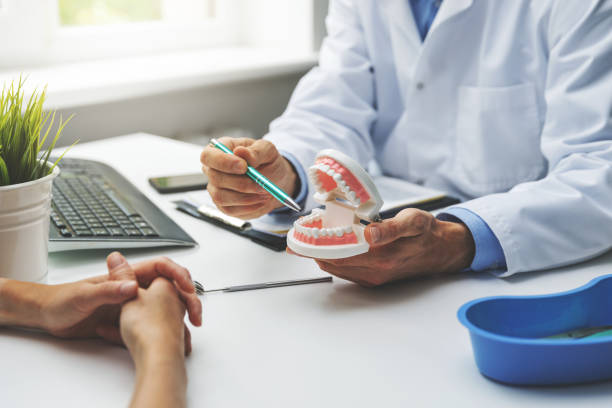
Choose Orthodontic Treatment For Children in South Lakeland FL
Orthodontic care is a vital part of ensuring children develop healthy and beautiful smiles. Whether it’s correcting misaligned teeth or addressing jaw issues, orthodontic treatment can set the stage for a lifetime of good oral health. South Lakeland, a growing area with access to excellent dental care, is home to many options for children’s orthodontics. This article will walk parents through how to choose the best treatment for their child, explaining the different types of care available, when to start orthodontic treatment for all ages, and the factors to consider when choosing the right orthodontist. Understanding Orthodontics Orthodontics is a specialized field of dentistry focusing on diagnosing, preventing, and treating dental and facial irregularities. The primary goal of orthodontics is to correct misaligned teeth and jaws, improving not just the aesthetics of a child’s smile but also their oral health and functionality. Early orthodontic evaluations can lead to better treatment outcomes, making it crucial for parents to be proactive in their children’s dental care. The Importance of Early Orthodontic Treatment Orthodontics isn’t just about aesthetics; it also plays a key role in a child’s overall oral health. Misaligned teeth can lead to issues such as difficulty chewing, speech problems, and even increased risk of tooth decay due to improper cleaning. By addressing these problems early, parents can prevent more serious issues from developing as the child grows. In South Lakeland, many family orthodontic practices offer comprehensive evaluations to determine the best course of action. The American Association of Orthodontists (AAO) recommends that children should have their first orthodontic evaluation by the age of 7. This allows the orthodontist to detect any issues early and create a treatment plan if necessary. Understanding Different Types of Orthodontic Treatments for Kids When it comes to orthodontic treatment for children, several options are available. The right choice will depend on your child’s specific dental needs, lifestyle, and preferences. Traditional Metal Braces Traditional braces are the most common type of orthodontic treatment for kids. They consist of metal brackets and wires that gradually move the teeth into their proper positions. While some children may feel self-conscious about wearing metal braces, they remain a highly effective solution for a wide range of dental issues, including overcrowding, misalignment, and bite problems. Braces for kids in South Lakeland are widely available and can be customized with colored bands, allowing children to add a fun, personal touch to their treatment. Metal braces are a strong, durable choice, making them particularly suitable for children who might not be as careful with their dental devices. Ceramic Braces Ceramic braces function similarly to traditional metal braces but are made of tooth-colored or clear materials, making them less noticeable. This option is ideal for older children and teens who are more concerned with the appearance of their braces. While ceramic braces are more discreet, they tend to be more fragile than their metal counterparts. Parents should discuss with their orthodontist whether this option would be appropriate for their child, especially if the child participates in activities where the braces could be damaged. Clear Aligners Clear aligners, such as Invisalign, are another popular orthodontic treatment for older children and teens. These aligners are made of clear plastic and fit over the teeth, gently moving them into place over time. The main advantage of clear aligners is that they are virtually invisible, which appeals to kids who may be self-conscious about wearing braces. One of the significant benefits of clear aligners is that they are removable, making eating and brushing easier. However, aligners must be worn for at least 20-22 hours a day to be effective, so they require a high level of responsibility. Children must also be diligent about not losing or damaging the aligners. Lingual Braces Lingual braces are similar to traditional metal braces but are placed on the back of the teeth rather than the front. This makes them nearly invisible from the outside, making them an attractive option for children who are concerned about the appearance of traditional braces. However, lingual braces may be less comfortable and more challenging to clean than other types. While not as common in pediatric orthodontics, some specialists in South Lakeland may offer lingual braces for older children or teens. Palatal Expanders In some cases, an orthodontist may recommend using a palatal expander. This device is used to widen the upper jaw to correct bite issues, such as crossbites or overcrowding, in children whose jaws are still growing. Palatal expanders are typically used in conjunction with braces. The expander is placed on the roof of the mouth and gradually adjusted over time to widen the upper arch. This treatment is more common in younger children, as their bones are still growing and can adapt more easily. When Should Your Child Start Orthodontic Treatment? The best time to begin orthodontic treatment varies depending on the child’s dental development and specific needs. While the AAO recommends an evaluation by age 7, many children do not begin treatment until their early teen years. However, early intervention can often simplify future treatments or even prevent the need for more extensive care later on. Early orthodontic care, sometimes referred to as Phase I treatment, typically begins around age 7-9. This treatment phase may include appliances such as expanders or partial braces to address developing issues before they become more serious. Phase II treatment usually begins around age 11-14, when most of the permanent teeth have erupted, and focuses on fine-tuning the alignment of the teeth and jaws. Parents should work closely with their orthodontist to determine the right timing for their child’s treatment. It’s essential to monitor the growth and development of their child’s teeth, as some orthodontic problems may become easier or harder to treat depending on when treatment begins. How to Choose the Right Orthodontist in South Lakeland? Selecting the right orthodontist for your child is one of the most important steps in ensuring successful treatment. South Lakeland is home to several family orthodontic practices, but not all
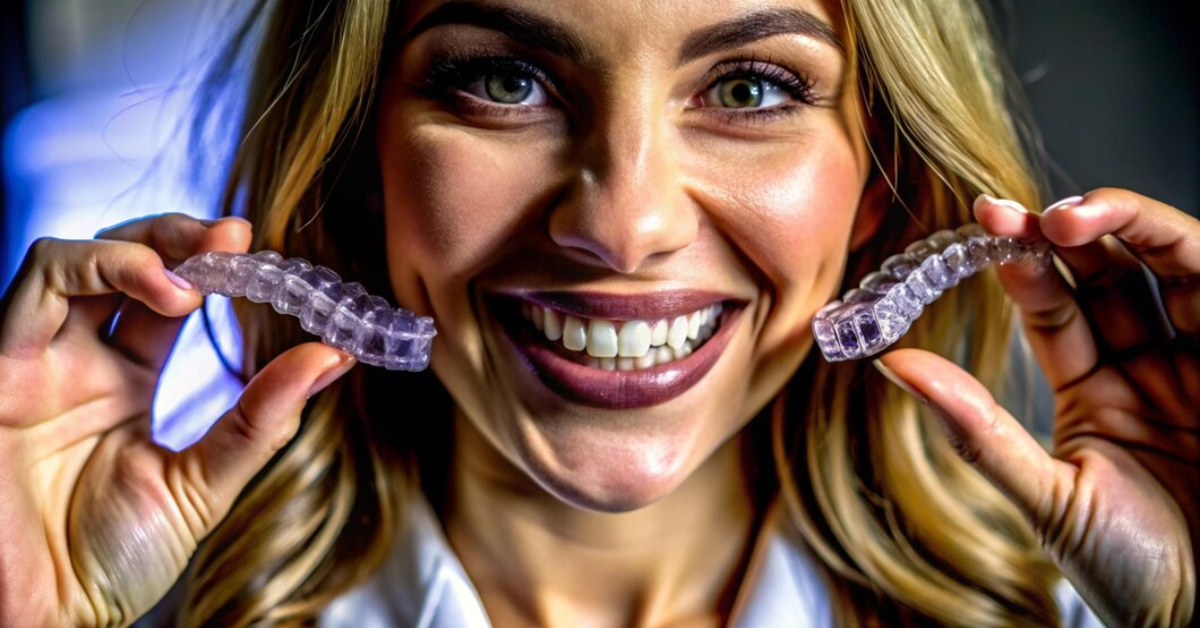
Clear Braces vs. Metal Braces: Choose the Best Option in North Lakeland
Choosing the right braces can be a daunting decision, especially when both clear and metal braces offer their own unique benefits. Whether you’re a parent seeking orthodontic care for your child or an adult looking to improve your smile, understanding the differences between clear braces and metal braces can help you make a more informed decision. At DKO Orthodontics, we aim to provide personalized orthodontic care to our patients in North Lakeland. In this guide, we’ll dive deep into the world of braces, comparing the advantages and drawbacks of clear braces and metal braces, and helping you determine which option best fits your lifestyle, aesthetic preferences, and orthodontic needs. What Are Metal Braces? Metal braces, also known as traditional braces, have been a staple in orthodontics for decades. Made from high-grade stainless steel, they consist of metal brackets glued to the teeth and connected with wires and elastics to gradually shift teeth into the desired position. Despite technological advances in orthodontics, metal braces continue to be a popular choice among many patients due to their reliability and effectiveness in treating a wide range of dental issues. Advantages of Metal Braces What Are Clear Braces? Clear braces, also known as ceramic braces, are similar to traditional metal braces in their structure and functionality. However, the brackets are made from ceramic material that blends in with the natural color of your teeth, making them much less noticeable than metal braces. Clear braces are a popular choice for those who want the effectiveness of traditional braces but desire a more aesthetically pleasing appearance. Advantages of Clear Braces Key Differences Between Clear Braces and Metal Braces Now that we’ve covered the basics of each type of braces, let’s dive into the key differences that may influence your decision when choosing between clear braces and metal braces in North Lakeland. Appearance The most obvious difference between clear braces and metal braces is their appearance. Clear braces are designed to blend in with the teeth, making them less noticeable, while metal braces are highly visible. Durability Metal braces are more durable and can handle more pressure, making them ideal for patients with severe orthodontic issues. Clear braces, while effective, are more fragile and may require more frequent repairs. Cost Metal braces are generally more affordable than clear braces. If cost is a significant factor in your decision, metal braces may be the better option. Treatment Time In most cases, metal braces can achieve results slightly faster than clear braces. However, the difference in treatment time is often minimal and depends on the complexity of the case. Comfort Clear braces are smoother and less likely to irritate the gums and cheeks, but they may require more delicate care to prevent damage. Metal braces, on the other hand, may cause more discomfort due to their bulkier design. How to Decide Which Braces are Right for You in North Lakeland? If you’re still undecided, here are some additional considerations that can help guide your decision: Age and Lifestyle For younger patients, particularly teenagers, metal braces are often the go-to option. This is largely because teens may not be as concerned about the appearance of their braces, and metal braces can handle the rough-and-tumble activities that many teens are involved in. Plus, the durability and effectiveness of metal braces make them ideal for correcting a wide range of orthodontic issues in this age group. For adults, clear braces may be a better fit. Adults often prefer the more discreet appearance of clear braces, particularly in professional or social situations where metal braces might feel out of place. Many adult patients in North Lakeland choose clear braces because they want to improve their smile without drawing too much attention to their orthodontic treatment. Treatment Complexity The complexity of your orthodontic needs is another major factor. If your case involves severe misalignment, significant bite issues, or other complex dental problems, metal braces may offer better control over the tooth movement required for optimal results. On the other hand, if you have a less severe case and are primarily concerned about improving the appearance of your smile, clear braces may be just as effective while offering the added benefit of being less noticeable. Personal Aesthetic Preferences Some patients simply feel more comfortable with one option over the other based on personal preference. If the visibility of metal braces would make you feel self-conscious, it may be worth investing in clear braces to ensure you feel confident throughout your treatment. For others, the cost-effectiveness and durability of metal braces may outweigh any concerns about their appearance. Budget Cost is a critical factor for many patients when deciding between clear and metal braces. Metal braces tend to be the more affordable option, which can be a deciding factor for families and individuals on a tight budget. While clear braces offer a more aesthetically pleasing solution, they typically come at a higher price due to the materials used and the specialized care required. Treatment Duration If you’re looking to achieve results as quickly as possible, metal braces may offer a slight advantage in terms of treatment time. While the difference in duration is often minimal, metal braces are known for delivering faster results in many cases, particularly for patients with complex orthodontic needs. Why Choose DKO Orthodontics in North Lakeland? At DKO Orthodontics, we understand that each patient’s orthodontic needs are unique. Our team of skilled orthodontists in North Lakeland offers personalized care and a wide range of orthodontic options, including both clear braces and metal braces, to ensure you get the treatment that’s right for you. We’re committed to providing the highest quality of care and helping you achieve a beautiful, healthy smile. Whether you’re looking for clear braces to maintain a discreet look or prefer the time-tested effectiveness of metal braces, we’re here to guide you through every step of your orthodontic journey. Conclusion Choosing between clear braces and metal braces ultimately comes down to your personal preferences, budget, and orthodontic needs. Both
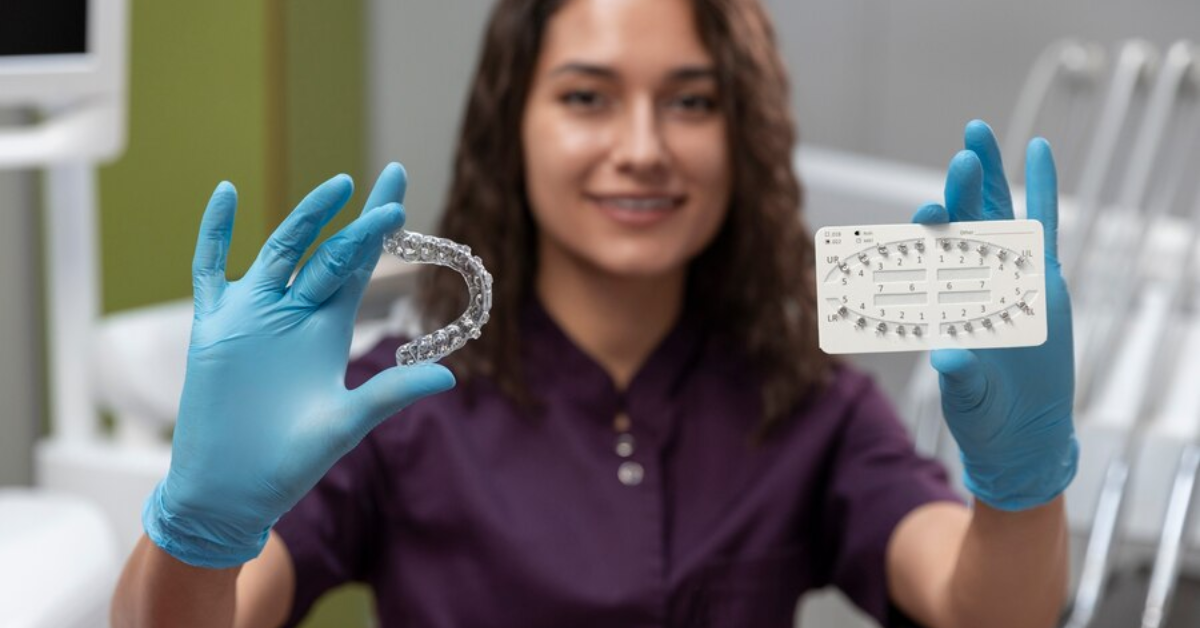
The Benefits Of Invisalign For Adults South Lakeland
Are you an adult in South Lakeland who’s always dreamed of having a straighter, more confident smile? You’re not alone. Many adults hesitate to pursue orthodontic treatment, fearing the appearance of traditional metal braces. But what if there was a way to achieve the smile of your dreams without anyone even noticing you’re undergoing treatment? Enter Invisalign for adults in South Lakeland – the revolutionary orthodontic solution that’s changing the game for grown-ups seeking dental perfection. In this comprehensive guide, we’ll explore everything you need to know about Invisalign for adults in South Lakeland, from how it works to its numerous benefits. We’ll also dive into why clear aligners in South Lakeland are becoming increasingly popular among adults and how they compare to traditional braces. So, sit back, relax, and get ready to discover how Invisalign for adults in South Lakeland can transform your smile and boost your confidence. What is Invisalign? Before we delve into the specific benefits of Invisalign for adults in South Lakeland, let’s start with the basics. Invisalign is an innovative orthodontic treatment that uses a series of custom-made, clear plastic aligners to gradually shift your teeth into their ideal positions. These clear aligners in South Lakeland are virtually invisible, making them a discreet alternative to traditional metal braces. The Invisalign process begins with a consultation with an experienced orthodontist who specializes in adult orthodontics in South Lakeland. Using advanced 3D imaging technology, your orthodontist will create a personalized treatment plan tailored to your unique dental needs and goals. This plan will map out the precise movements of your teeth throughout the treatment process. How Invisalign Works? The magic of Invisalign for adults in South Lakeland lies in its simplicity and effectiveness. Here’s a step-by-step breakdown of how the treatment works: The Benefits of Invisalign for Adults in South Lakeland Now that we understand how Invisalign works, let’s explore the numerous advantages that make it an ideal choice for adults seeking orthodontic treatment in South Lakeland. Virtually Invisible One of the most significant benefits of Invisalign for adults in South Lakeland is its discreet nature. The clear aligners are nearly invisible when worn, allowing you to straighten your teeth without drawing attention to your orthodontic treatment. This is particularly appealing for professionals who want to maintain a polished appearance in the workplace or social settings. Removable for Convenience Unlike traditional braces, clear aligners in South Lakeland are removable. This means you can take them out when eating, drinking, brushing, and flossing. No more worrying about food getting stuck in your braces or struggling to maintain proper oral hygiene. Simply pop out your aligners, enjoy your meal or clean your teeth, and put them back in when you’re done. Comfortable and Custom-Fit Invisalign for adults in South Lakeland offers a more comfortable orthodontic experience compared to traditional braces. The smooth plastic aligners are custom-made to fit snugly over your teeth, eliminating the discomfort often associated with metal brackets and wires. This means no more irritation to your cheeks, tongue, or gums. Fewer Orthodontic Appointments With Invisalign for adults in South Lakeland, you’ll spend less time in the orthodontist’s chair. While traditional braces require frequent adjustments, Invisalign check-ups are typically scheduled every 6-8 weeks. This means fewer disruptions to your busy adult life and schedule. Predictable Results Thanks to advanced 3D imaging technology, your orthodontist can show you a virtual representation of how your teeth will move throughout the treatment process. This allows you to see your expected results before you even begin treatment, giving you confidence in the outcome of your Invisalign for adults in South Lakeland journey. Improved Oral Health Straight teeth are not just about aesthetics; they also contribute to better oral health. When teeth are properly aligned, they’re easier to clean, reducing the risk of cavities, gum disease, and other dental issues. By choosing Invisalign for adults in South Lakeland, you’re investing in both the appearance and health of your smile. Boost in Confidence A straighter smile can do wonders for your self-esteem. Many adults who undergo Invisalign treatment in South Lakeland report feeling more confident in both personal and professional settings. Imagine feeling proud to show off your smile in photos, during presentations, or on first dates – that’s the power of Invisalign. No Dietary Restrictions With traditional braces, you often have to avoid certain foods that could damage the brackets or wires. However, Invisalign for adults in South Lakeland allows you to enjoy all your favorite foods without restriction. Simply remove your aligners before eating, and you’re free to indulge in whatever your heart desires. Suitable for Various Orthodontic Issues Invisalign for adults in South Lakeland can address a wide range of orthodontic concerns, including: Whether you’re dealing with minor misalignments or more complex orthodontic issues, Invisalign for adults in South Lakeland can likely help you achieve your desired results. Maintain Your Active Lifestyle For adults who lead active lifestyles or participate in sports, Invisalign in South Lakeland offers a significant advantage over traditional braces. The smooth, custom-fit aligners don’t pose the same risks of cuts or injuries to the mouth that metal braces do, allowing you to continue your favorite activities without worry. Adult Orthodontics in South Lakeland: Why It’s Never Too Late Many adults believe that orthodontic treatment is only for teenagers, but that couldn’t be further from the truth. Adult orthodontics in South Lakeland is becoming increasingly popular, and for good reason. Here’s why it’s never too late to pursue the smile of your dreams: Technological Advancements Modern orthodontic treatments like Invisalign for adults in South Lakeland have made it easier than ever for grown-ups to straighten their teeth. The discreet nature of clear aligners eliminates many of the concerns adults have about traditional braces. Health Benefits As we mentioned earlier, straight teeth contribute to better oral health. By investing in adult orthodontics in South Lakeland, you’re not just improving your appearance – you’re also taking a proactive step towards maintaining a healthy mouth for years to come.
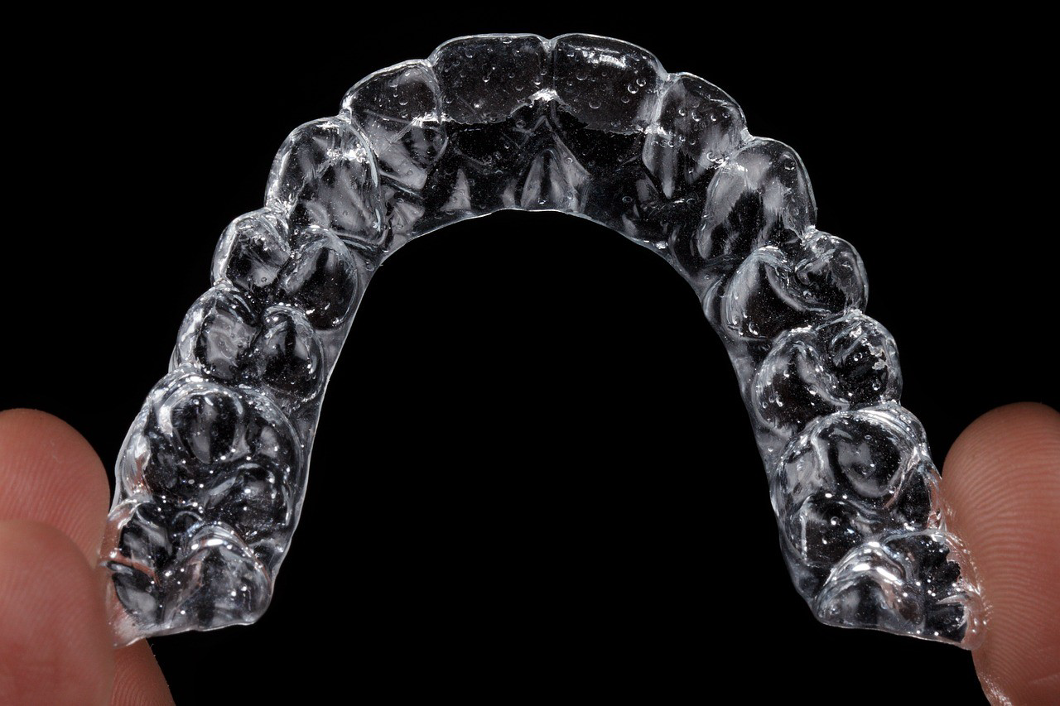
Invisalign Treatment Costs: Is It Worth the Investment?
A radiant smile can be a game-changer, boosting confidence and leaving lasting impressions. Yet, for many, the path to that perfect smile is paved with questions and concerns. Enter Invisalign – the revolutionary orthodontic treatment that’s been turning heads and straightening teeth without the fuss of traditional braces. ✨ But here’s the burning question on everyone’s mind: Is Invisalign worth the investment? With treatment costs often higher than conventional alternatives, it’s crucial to weigh the benefits against the price tag. This blog post delves into the world of Invisalign, breaking down costs, comparing options, and helping you determine if this clear aligner treatment aligns with your dental goals and budget. From understanding the treatment process to evaluating long-term value, we’ll guide you through everything you need to know to make an informed decision about investing in your smile. Understanding Invisalign Treatment A. What is Invisalign? Invisalign is a revolutionary orthodontic treatment that uses clear, removable aligners to straighten teeth. These custom-made aligners are virtually invisible, offering a discreet alternative to traditional metal braces. Invisalign aligners are made from a flexible, BPA-free plastic material that fits snugly over the teeth, gradually shifting them into the desired position. B. Treatment timeline The Invisalign treatment timeline varies depending on individual needs, but typically ranges from 12 to 18 months. Here’s a general overview of the process: C. Benefits over traditional braces Invisalign offers several advantages compared to traditional braces: Invisalign Traditional Braces Removable Fixed Nearly invisible Noticeable metal brackets No food restrictions Dietary limitations Easier oral hygiene Challenging to clean Comfortable May cause irritation Fewer office visits More frequent adjustments D. How Invisalign works Invisalign utilizes advanced 3D computer imaging technology to create a series of custom aligners. Each set of aligners is worn for about two weeks, gradually moving the teeth into their prescribed positions. The treatment process involves: Patients wear the aligners for 20-22 hours per day, removing them only for eating, drinking, and oral hygiene. This flexibility allows for a more comfortable and convenient orthodontic experience compared to traditional braces. Now that we’ve covered the basics of Invisalign treatment, let’s delve into the costs associated with this innovative orthodontic solution. Breaking Down Invisalign Costs Hidden Expenses to Consider When considering Invisalign treatment, it’s crucial to factor in potential hidden costs. These may include: Replacement aligners Additional appointments Post-treatment retainers Financing Plans and Payment Options Many orthodontists offer flexible payment plans to make Invisalign more accessible: Monthly installment plans In-house financing options Third-party financing services Insurance Coverage Options Insurance coverage for Invisalign varies widely: Insurance Type Typical Coverage Dental Insurance Partial coverage (up to 50%) Orthodontic Insurance May cover a portion of treatment FSA/HSA Can be used for Invisalign costs Factors Affecting Cost Several factors influence the overall cost of Invisalign treatment: Average Price Range The average cost of Invisalign treatment typically falls within a specific range: Low-end: $3,000 High-end: $8,000 Average: $4,500 – $5,500 It’s important to note that these figures can vary based on individual cases and locations. Consulting with an experienced Invisalign provider will provide a more accurate estimate tailored to specific needs. Now that we’ve broken down the costs associated with Invisalign, let’s compare it to alternative treatments to help you make an informed decision. Comparing Invisalign to Alternative Treatments When considering orthodontic treatment, it’s essential to compare Invisalign with other options to make an informed decision. Let’s explore how Invisalign stacks up against alternative treatments: A. Ceramic braces Ceramic braces offer a more discreet option compared to traditional metal braces. However, they still use brackets and wires, which can be visible and may cause discomfort. Feature Invisalign Ceramic Braces Visibility Nearly invisible Less noticeable than metal, but still visible Comfort Smooth, removable aligners Fixed brackets may cause irritation Treatment time 12-18 months on average 18-36 months on average Maintenance Easy to clean, removable Requires special cleaning techniques B. At-home clear aligners At-home clear aligners have gained popularity due to their convenience and lower cost. However, they lack professional supervision, which can be crucial for complex cases. Pros of at-home aligners: Lower cost Convenience of home treatment Cons of at-home aligners: Limited suitability for complex cases Lack of in-person professional monitoring C. Lingual braces Lingual braces are placed behind the teeth, making them virtually invisible. However, they can be more challenging to adjust to and may affect speech initially. Feature Invisalign Lingual Braces Visibility Nearly invisible Completely hidden Comfort Smooth, removable aligners May cause tongue irritation Speech impact Minimal May affect speech initially Cost Generally less expensive Often more expensive D. Traditional metal braces While highly effective, traditional metal braces are the most visible option and can cause discomfort due to the brackets and wires. Advantages of Invisalign over traditional braces: Aesthetically pleasing Removable for eating and cleaning Generally more comfortable Fewer office visits required Now that we’ve compared Invisalign to alternative treatments, let’s explore the long-term value of choosing Invisalign for your orthodontic needs. Long-Term Value of Invisalign Potential Career Benefits Investing in Invisalign can yield significant career benefits. A confident smile can make a lasting impression in professional settings, potentially leading to: Improved performance in job interviews Enhanced presentation skills Increased self-assurance in client interactions Reduced Risk of Future Dental Issues Properly aligned teeth contribute to better oral health, reducing the likelihood of: Tooth decay Gum disease Jaw problems This preventive approach can lead to substantial savings on future dental treatments. Boost in Self-Confidence The psychological impact of a straighter smile cannot be overstated. Invisalign can provide: Increased willingness to smile in social situations Enhanced self-esteem in personal and professional life Greater comfort in photographed moments Improved Oral Health Invisalign treatment goes beyond cosmetic benefits, offering tangible improvements to oral health: Benefit Description Easier cleaning Straight teeth are easier to brush and floss effectively Reduced wear Proper alignment reduces abnormal wear on teeth Better bite Corrected bite issues can alleviate jaw pain and headaches The long-term value of Invisalign extends far beyond the initial investment. By addressing both aesthetic and functional aspects of dental

Maintaining Your Smile After Braces: Tips from Lakeland Experts
After months, or even years, of wearing braces, there’s nothing quite like the excitement of finally getting them removed. Your teeth are straight, your bite is corrected, and your smile looks better than ever. But the journey to a perfect smile doesn’t end when the braces come off. Maintaining your new smile requires consistent care and attention to ensure your teeth stay straight and healthy for years to come. Here are some expert tips from orthodontists in Lakeland on how to maintain your smile after braces. Tips for Maintaining Your Smile After Braces 1. Wear Your Retainer Consistently One of the most important steps to maintaining your smile after braces is wearing your retainer as directed by your orthodontist. Why is Wearing a Retainer Crucial? Tips for Retainer Care 2. Practice Good Oral Hygiene Maintaining excellent oral hygiene is crucial for keeping your teeth healthy and your smile bright. Daily Oral Care Routine Special Considerations After Braces 3. Regular Dental Checkups Regular visits to your dentist and orthodontist are essential for maintaining your smile after braces. Why Are Checkups Important? Frequency of Visits 4. Avoid Bad Habits Certain habits can harm your teeth and undo the work your braces accomplished. Habits to Avoid Tips to Break These Habits 5. Maintain a Balanced Diet What you eat plays a significant role in maintaining your smile after braces. Foods to Include Foods to Avoid 6. Teeth Whitening Options After braces, you may want to enhance your smile further with teeth whitening. Whitening Methods provide a noticeable improvement, though results may vary. When to Whiten 7. Protect Your Teeth During Sports If you’re active in sports, protecting your teeth is crucial to maintaining your post-braces smile. Use a Mouthguard Why It Matters 8. Maintain a Positive Mindset Maintaining your new smile is a long-term commitment, but keeping a positive mindset can make the process easier and more rewarding. Stay Motivated Educate Yourself Conclusion: A Lifetime of Smiles The journey to a beautiful smile doesn’t end when the braces come off—it’s just the beginning of a lifelong commitment to dental health. By following these expert tips from Lakeland orthodontists, you can keep your smile looking as good as it did the day your braces were removed. Remember, consistency is key: wear your retainer, maintain good oral hygiene, visit your dentist regularly, avoid harmful habits, eat a balanced diet, consider teeth whitening if desired, protect your teeth during sports, and maintain a positive mindset. With these practices, you can enjoy the benefits of your straight, healthy smile for many years to come.
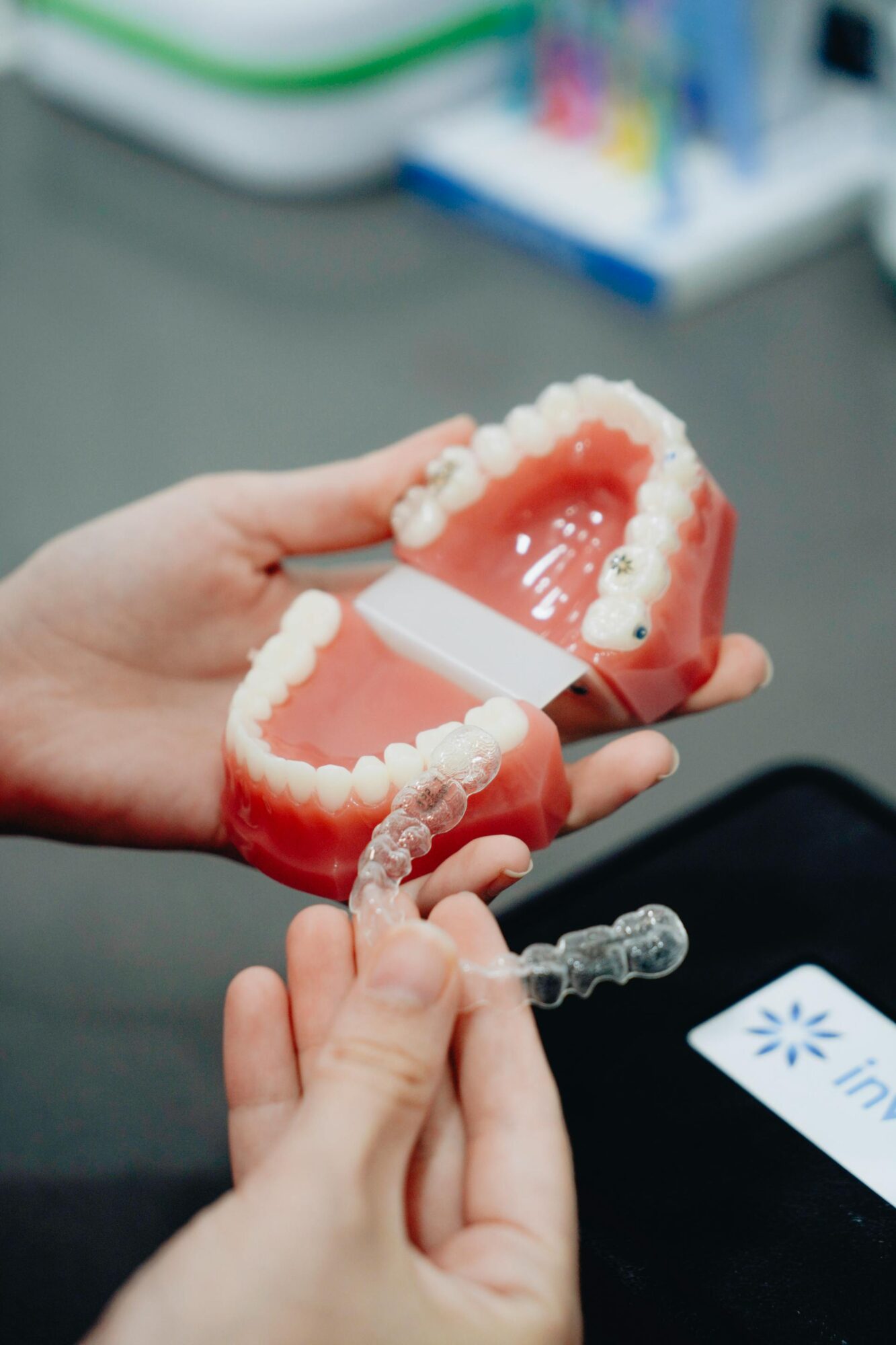
Invisalign vs. Braces: Which Orthodontic Treatment is Best for You?
When it comes to achieving a straighter smile, Bartow residents have more options than ever before. The choice often comes down to two popular treatments: Invisalign and traditional braces. Each has its own unique benefits and potential drawbacks, making the decision a personal one depending on your lifestyle, budget, and dental needs. In this article, we’ll dive deep into the pros and cons of both Invisalign and traditional braces, helping you determine which option might be better suited for you as a Bartow resident. Introduction to Invisalign and Traditional Braces What is Invisalign? Invisalign in Bartow is a modern orthodontic treatment that uses clear, removable aligners to straighten teeth gradually. These aligners are custom-made for each patient, ensuring a snug fit that applies the necessary pressure to move teeth into the desired position over time. What are Traditional Braces? Traditional braces, on the other hand, have been around for decades. They involve metal brackets that are bonded to each tooth, connected by wires and elastics that apply continuous pressure to realign teeth over time. While they are effective, traditional braces are much more visible than Invisalign aligners. A Closer Look: Invisalign vs Traditional Braces Let’s break down the differences between these two orthodontic treatments by comparing them across various categories relevant to Bartow residents. 1. Appearance and Aesthetics Winner: Invisalign – For Bartow residents who prioritize a discreet treatment, Invisalign is the clear choice. 2. Comfort and Convenience Winner: Invisalign – The ability to remove aligners for eating and cleaning, coupled with the comfort of smooth plastic, gives Invisalign the edge in this category. 3. Effectiveness Winner: Traditional Braces – For Bartow residents with more severe orthodontic issues, traditional braces are likely to be more effective. 4. Treatment Duration Winner: Invisalign – In many cases, Invisalign can offer a shorter treatment time, especially if the patient is diligent about wearing their aligners. 5. Maintenance and Care Winner: Tie – Both options require diligent care and maintenance, albeit in different ways. Bartow residents should consider their ability to commit to the necessary upkeep when choosing between the two. 6. Cost Winner: Traditional Braces – If cost is a significant concern, traditional braces are usually the more affordable option. 7. Accessibility in Bartow Winner: Traditional Braces – With more orthodontists in Bartow offering traditional braces, they may be easier to access, especially for specialized treatment. Local References and Considerations for Bartow Residents When deciding between Invisalign and traditional braces, it’s essential to consult with a local orthodontist who understands the specific needs of Bartow residents. For example, Dr. Smith at Bartow Family Orthodontics has extensive experience with both treatments and can provide personalized advice based on your dental history and lifestyle. Additionally, Bartow’s warm climate and active community lifestyle may influence your decision. If you frequently participate in sports or outdoor activities, Invisalign’s removable aligners might offer the flexibility you need. Conclusion: Making the Right Choice for Your Smile Ultimately, the decision between Invisalign and traditional braces comes down to your personal preferences, budget, and the complexity of your orthodontic needs. For Bartow residents who value aesthetics, comfort, and shorter treatment times, Invisalign may be the better option. However, for those with more severe dental issues or who are looking for a more cost-effective solution, traditional braces could be the way to go. Before making a final decision, schedule a consultation with a local Bartow orthodontist. They can assess your specific needs and help you choose the treatment that will best achieve your dream smile. Remember, whether you choose Invisalign or traditional braces, the result will be a straighter, healthier smile that you can be proud of for years to come. Key Takeaways: With these insights, Bartow residents can make an informed decision that suits their lifestyle and achieves their dental goals.
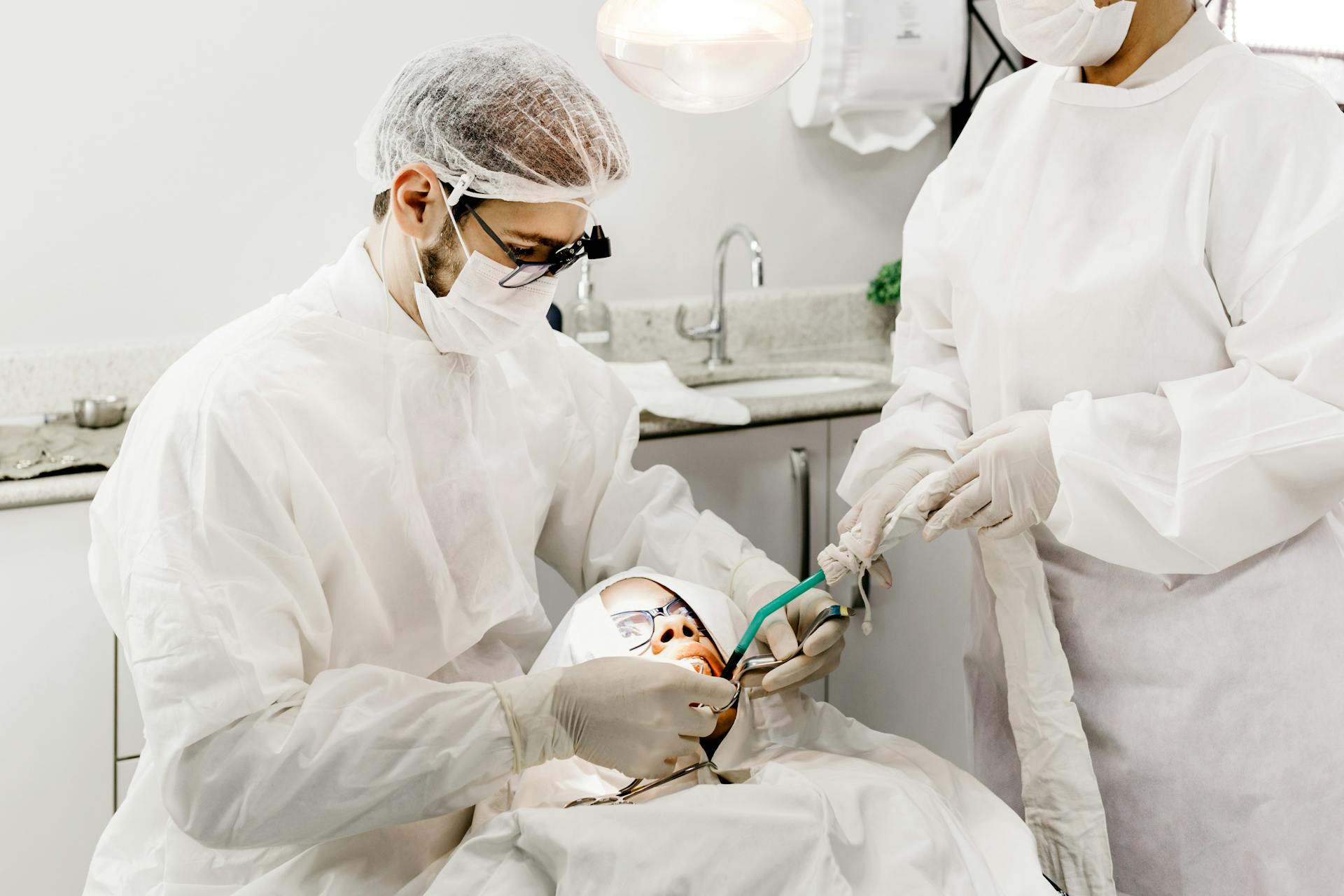
Why Orthodontic Treatment is Essential at Any Age
Orthodontic treatment is often associated with teenagers sporting braces, but the benefits of aligning teeth go far beyond adolescence. Whether you’re 7 or 70, orthodontic care plays a crucial role in achieving and maintaining optimal oral health. Here’s why orthodontic treatment is essential at any age. The Importance of Orthodontics for Children Early Intervention Can Prevent Future Issues Early orthodontic treatment can correct developmental issues before they become more severe. Treating problems like crowded teeth or jaw misalignment at a young age can prevent the need for more complex procedures later. Boosting Confidence During Formative Years A child’s self-esteem is significantly impacted by their appearance, especially their smile. Straight teeth contribute to a more attractive smile, which can enhance confidence during critical developmental stages. Why Teens Shouldn’t Skip Orthodontic Care Optimal Timing for Treatment The teenage years are often the ideal time for orthodontic treatment. The jaw is still growing, making it easier to guide teeth into their proper positions. Preparing for Adulthood A straight, healthy smile is not just about appearance; it’s a key factor in long-term oral health. The Benefits of Orthodontic Treatment for Adults It’s Never Too Late to Improve Your Smile Orthodontic treatment isn’t just for kids and teens. Adults can also benefit from having their teeth straightened and bite corrected. Enhancing Overall Health Orthodontic care contributes to better overall health by improving oral hygiene and reducing the risk of serious dental problems. Common FAQs About Orthodontic Treatment At What Age Should My Child First See an Orthodontist? It’s recommended that children have their first orthodontic evaluation by age 7. Early assessment allows for the detection of potential problems, even if treatment isn’t needed right away. Can Adults Benefit from Orthodontic Treatment? Absolutely. Orthodontic treatment is effective at any age. Many adults seek treatment to improve their smiles, correct bite issues, and enhance their overall oral health. What Are My Options for Orthodontic Treatment? There are several options available, including traditional metal braces, ceramic braces, and clear aligners like Invisalign. Your orthodontist will help you choose the best option based on your needs and lifestyle. How Long Does Orthodontic Treatment Take? The duration of treatment varies depending on the individual case. On average, it can take anywhere from 12 to 24 months. Your orthodontist will give you a more accurate timeline during your consultation. Is Orthodontic Treatment Painful? While orthodontic treatment can cause some discomfort, especially after adjustments, it’s generally not painful. Over-the-counter pain relievers and orthodontic wax can help manage any discomfort. The Lifelong Impact of Orthodontic Care Investing in Your Oral Health Orthodontic treatment is more than just a cosmetic enhancement; it’s an investment in your long-term oral health. By correcting alignment and bite issues, you’re taking a proactive step to prevent more serious dental problems in the future. A Confidence Boost at Any Age A straight smile can significantly boost your confidence, whether you’re in school, at work, or enjoying retirement. Orthodontic treatment helps you put your best smile forward, no matter your age. Conclusion Orthodontic treatment is essential for maintaining a healthy, beautiful smile at any age. Whether you’re a parent considering treatment for your child, a teenager preparing for adulthood, or an adult looking to improve your smile, orthodontic care offers benefits that go beyond aesthetics. By addressing alignment and bite issues, you’re not only enhancing your appearance but also taking a crucial step toward better oral health. Remember, it’s never too late to start your journey to a healthier smile. Consult with an orthodontist to explore the best treatment options for your needs and start enjoying the lifelong benefits of a straight, well-aligned smile.
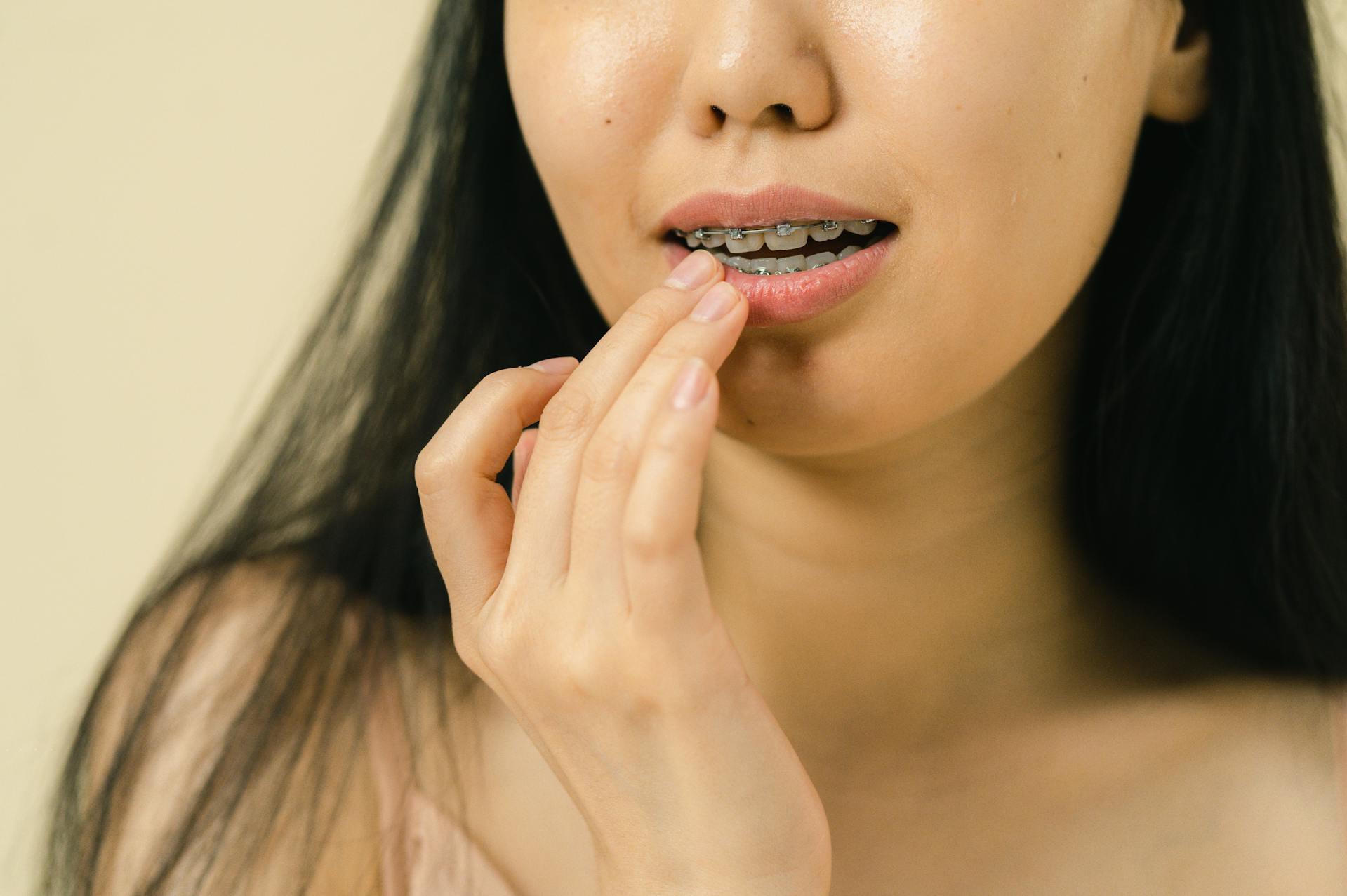
Top 5 Benefits of Metal Braces in Lakeland
When it comes to orthodontic treatment, metal braces remain one of the most popular and effective options. Despite the rise of clear aligners and ceramic braces, metal braces in Lakeland continue to be a trusted choice for both teens and adults. Let’s explore the top 5 benefits of choosing metal braces and why they might be the right option for you. 5 Advantages of Metal Braces 1. Proven Effectiveness Tried-and-True Orthodontic Solution Metal braces have been used for decades to correct a wide range of dental issues. Their effectiveness is backed by years of research and successful treatments. Ideal for All Ages Metal braces aren’t just for teens; they are a great option for children and adults as well. 2. Cost-Effective Treatment Affordable Orthodontic Care One of the significant advantages of metal braces is their affordability compared to other orthodontic options. Flexible Payment Options Orthodontic practices in Lakeland often offer flexible payment plans to make treatment more manageable. 3. Durability and Strength Built to Last Metal braces are made from high-quality stainless steel, known for their durability and strength. Minimal Maintenance Metal braces are easy to care for, which contributes to their durability. 4. Precise Control Over Tooth Movement Customizable Treatment Metal braces allow orthodontists to have precise control over the movement of each tooth. Faster Results for Some Patients The precise control offered by metal braces can lead to faster treatment times for some patients. 5. Availability and Versatility Widely Available in Lakeland Metal braces are widely available in orthodontic practices throughout Lakeland. Versatility in Treatment Metal braces can be used to treat a variety of orthodontic issues, making them a versatile choice. Common FAQs About Metal Braces How Long Will I Need to Wear Metal Braces? The duration of treatment varies depending on the individual case. On average, patients wear metal braces for 18 to 24 months. Your orthodontist will provide a personalized timeline based on your specific needs. Are Metal Braces Painful? Metal braces can cause some discomfort, especially after adjustments. However, this discomfort is usually temporary and can be managed with over-the-counter pain relievers. Can Adults Get Metal Braces? Yes, metal braces are suitable for patients of all ages, including adults. Many adults choose metal braces to correct alignment issues and improve their smiles. What Foods Should I Avoid with Metal Braces? Patients with metal braces should avoid hard, sticky, and chewy foods, as they can damage the braces. Your orthodontist will provide a list of foods to avoid during treatment. How Do I Care for My Metal Braces? Caring for metal braces involves brushing and flossing regularly, using an interdental brush to clean around the brackets, and visiting your orthodontist for regular checkups. Conclusion Choosing metal braces in Lakeland offers numerous benefits, from their proven effectiveness and durability to their cost-effectiveness and precise control over tooth movement. Whether you’re a child, teen, or adult, metal braces provide a reliable and versatile solution for achieving a straight, healthy smile. With the right care and regular orthodontic visits, metal braces can deliver the results you desire, ensuring a lifetime of confident, beautiful smiles.