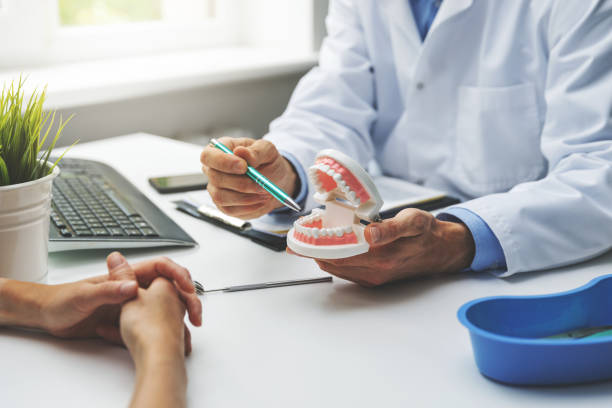
When it comes to dental health, understanding the roles of different specialists is crucial. While both orthodontists and dentists play vital roles in maintaining oral health, their areas of expertise and the services they offer are distinct. In this comprehensive guide, we’ll explore the differences between an orthodontist and a dentist, the specific roles they play, and when you might need to see each one. By the end, you’ll have a clearer understanding of how these professionals contribute to your dental health and what orthodontics can do for you. What Is A Dentist? A dentist is a healthcare professional who specialises in oral health. Dentists are responsible for diagnosing, preventing, and treating a wide range of dental issues. They complete a Doctor of Dental Surgery (DDS) or Doctor of Dental Medicine (DMD) degree, which typically requires four years of dental school after completing a bachelor’s degree. Dentists provide general dental care, including: General dentistry covers a broad range of procedures aimed at maintaining oral health, preventing dental diseases, and addressing common dental problems. What Is An Orthodontist? An orthodontist is a dentist who has undergone additional specialised training in the field of orthodontics. Orthodontics is a branch of dentistry that focuses on diagnosing, preventing, and treating dental and facial irregularities. Orthodontists complete an additional two to three years of training in an accredited orthodontic residency program after dental school. Orthodontists specialize in: Orthodontic treatment aims to improve the function and appearance of the teeth and jaws, enhancing both oral health and aesthetics. Orthodontist vs Dentist – Two Key Differences 1. Scope of Practice 2. Training and Education When To See An Orthodontist VS Dentist Knowing when to see a dentist versus an orthodontist is crucial for receiving the appropriate care and ensuring your oral health is well-maintained. Both professionals play significant roles, but their areas of expertise and the types of treatments they offer differ. Understanding these differences will help you make informed decisions about your dental care. When To See A Dentist Routine Dental Check-Ups and Cleanings: Regular visits to a dentist are essential for maintaining oral health. Dentists perform thorough examinations to detect any potential issues early on, clean your teeth to remove plaque and tartar, and provide guidance on how to keep your mouth healthy. These check-ups are usually recommended every six months. Addressing Cavities, Tooth Decay, and Gum Disease: Dentists diagnose and treat cavities and tooth decay by filling cavities and performing procedures to restore damaged teeth. They also manage gum disease (gingivitis and periodontitis) through deep cleanings, scaling, root planing, and providing advice on maintaining healthy gums. Root Canals, Extractions, and Fillings: If you have a tooth infection or severe decay, a dentist may perform a root canal to save the tooth. They also handle tooth extractions when a tooth is beyond repair or needs to be removed for orthodontic reasons. Fillings are used to restore teeth that have been damaged by cavities. Crowns, Bridges, and Dentures: Dentists provide restorative treatments such as crowns to cover damaged teeth, bridges to replace missing teeth, and dentures for patients who have lost multiple teeth. These prosthetics help restore functionality and aesthetics to your smile. Cosmetic Dental Procedures: Dentists also offer cosmetic procedures to enhance the appearance of your teeth. These can include teeth whitening to remove stains and discoloration, veneers to cover imperfections, and bonding to repair chipped or cracked teeth. Overall Oral Health Maintenance and Preventive Care: General dentists focus on preventive care to help you avoid dental problems. This includes educating patients on proper oral hygiene practices, applying sealants to protect teeth from decay, and providing fluoride treatments to strengthen enamel. When To See An Orthodontist Misaligned Teeth or Malocclusion (Bad Bite): Orthodontists specialize in correcting misaligned teeth and jaws. If you have crooked teeth, gaps, or a malocclusion (an improper bite), an orthodontist can assess your condition and recommend appropriate treatments to align your teeth and improve your bite. Crowded or Spaced Teeth: When teeth are overcrowded, they can overlap and make cleaning difficult, leading to increased risk of cavities and gum disease. Conversely, spaced teeth can cause gaps that affect the appearance of your smile. Orthodontists use braces, aligners, and other appliances to correct these issues and ensure proper spacing. Overbites, Underbites, or Crossbites: Orthodontists treat various types of bite issues. An overbite occurs when the upper front teeth overlap the lower front teeth excessively. An underbite is when the lower teeth protrude beyond the upper teeth. A crossbite occurs when some upper teeth sit inside the lower teeth instead of outside. Correcting these bite issues can improve both function and aesthetics. Braces, Aligners, and Orthodontic Appliances: If you need braces, clear aligners, or other orthodontic devices to straighten your teeth, an orthodontist is the specialist to see. They design and apply these appliances, monitor your progress, and make adjustments as needed to ensure effective treatment. Jaw Growth and Development in Children: Orthodontists often work with children and adolescents to guide the growth and development of their jaws and teeth. Early intervention can prevent more severe issues later on and may involve the use of expanders, retainers, or other devices to correct growth patterns. Improving Function and Appearance of Teeth and Jaws: Orthodontic treatment goes beyond aesthetics. By properly aligning the teeth and jaws, orthodontists can improve your ability to chew, speak, and maintain oral hygiene. Proper alignment reduces the risk of dental problems and enhances your overall oral health. Discover What Orthodontics Can Do For You! Orthodontic treatment offers numerous benefits beyond just a straighter smile. It can improve your oral health, boost your confidence, and enhance your overall quality of life. Whether you’re dealing with crooked teeth, an uneven bite, or jaw misalignment, an orthodontist can provide the specialized care you need. At DKO Orthodontics, we have several convenient locations to serve you: Orthodontic treatment can address a variety of dental issues, including: Conclusion Understanding the difference between an orthodontist and a dentist is essential for making informed decisions about
What is Dental Wax & How to Use It?
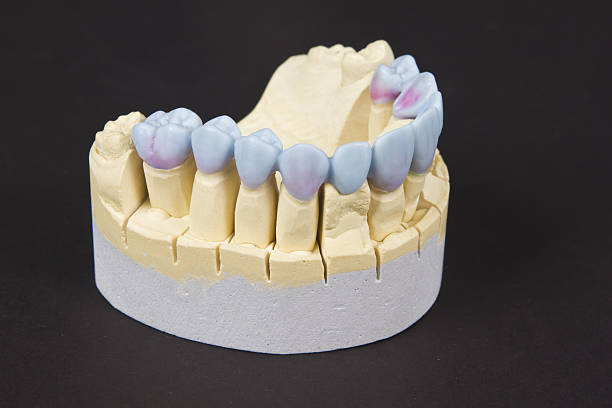
Orthodontic treatment, while effective in aligning teeth and improving smiles, often comes with discomfort, especially when braces are involved. Dental wax, a small yet mighty tool, can significantly alleviate this discomfort. In this comprehensive guide, we’ll explore what dental wax is, how it helps with braces discomfort, what to do if it doesn’t help, how to apply it correctly, and the do’s and don’ts of using dental wax. By the end of this blog, you’ll have all the information you need to make the most of dental wax and ensure a more comfortable orthodontic experience. What is Dental Wax? Dental wax, also known as orthodontic wax, is a soft, malleable material used to protect the tissues inside your mouth from irritation caused by braces and other orthodontic appliances. Made from natural waxes such as paraffin or beeswax, dental wax is safe to use and even swallow in small amounts. Dental wax creates a smooth barrier over the brackets and wires of braces, preventing them from rubbing against the inner cheeks, lips, and gums. It’s a temporary solution that provides immediate relief from discomfort and helps to prevent sores and irritation during orthodontic treatment. How Does Orthodontic Wax Help with Braces Discomfort? Orthodontic wax is specifically designed to ease the discomfort associated with braces. When you first get braces or have them adjusted, the brackets and wires can cause friction and irritation against the soft tissues in your mouth. Here’s how dental wax can help: What to Do If Dental Wax Doesn’t Help? While dental wax is effective for most people, there are times when it might not provide sufficient relief. If you find that dental wax isn’t helping, here are some steps you can take: How to Apply Wax to Braces Applying dental wax to your braces is a straightforward process that can be done in a few simple steps: The Do’s and Don’ts of Dental Wax To make the most of dental wax and ensure your comfort, here are some important do’s and don’ts: Do’s: Don’ts: Need Dental Wax Guidance? Contact Hess Orthodontics Today At Hess Orthodontics, we understand that orthodontic treatment can sometimes be uncomfortable, and we’re here to help you every step of the way. If you have any questions about using dental wax or need additional guidance, our team is just a call away. For personalized orthodontic care, visit one of our convenient locations: Our experienced orthodontists can provide you with the care and support you need to ensure a comfortable and successful orthodontic journey. Whether you need assistance with dental wax or any other aspect of your treatment, we’re here to help. Contact us today to schedule an appointment or to learn more about our services. Conclusion Dental wax is a simple yet effective tool for managing the discomfort associated with braces. By understanding what dental wax is, how it works, and how to use it correctly, you can ensure a more comfortable orthodontic experience. Remember to follow the do’s and don’ts of using dental wax and consult your orthodontist if you need additional support or if the wax doesn’t alleviate your discomfort. For more information and personalized orthodontic care, visit one of our convenient locations at Hess Orthodontics. We’re dedicated to helping you achieve a healthy, beautiful smile with the least amount of discomfort possible.

Which Foods You Can Eat with Braces [Delicious & Nutritious Meal Ideas]
Congratulations on getting braces! You’re on your way to a straighter, more confident smile. While braces are an exciting step toward your dream smile, they can also bring some initial discomfort, especially when it comes to eating. The good news is, with a few adjustments, you can still enjoy a healthy and delicious diet while wearing braces. In the first few days after getting braces, your mouth will likely be sensitive. This is perfectly normal and temporary. During this time, stick to soft foods that are easy to chew and won’t irritate your gums or brackets. But don’t worry, “braces-friendly” doesn’t have to mean bland! There are many delicious and nutritious options you can enjoy throughout your orthodontic journey. Braces-Friendly Food Groups: Packing in the Nutrients Soft Fruits and Vegetables: Fruits and vegetables are essential for a healthy diet, providing essential vitamins, minerals, and fiber. While some raw fruits and vegetables might be a bit too crunchy at first, there are plenty of soft options you can enjoy: Dairy Products: Calcium is crucial for strong teeth and bones, even more so while wearing braces. Thankfully, there are many delicious ways to incorporate dairy into your diet: Protein Sources: Protein is essential for building and repairing tissues, which is important for healthy teeth and gums. Here are some soft and easy-to-chew protein sources: Grains and Starches: Grains and starches provide your body with energy. Opt for soft and cooked options like: Tips for Eating with Braces: Keeping Your Smile Healthy Now that you have a variety of braces-friendly foods to explore, here are some helpful tips for enjoying your meals comfortably: Sample Braces-Friendly Meal Plan: Inspiration for Delicious Days Here’s a sample daily meal plan to give you some ideas for braces-friendly meals and snacks: Breakfast: Lunch: Dinner: Snacks: Conclusion: A Smile Journey with Delicious Options Maintaining a healthy diet while wearing braces is important for your overall health and the health of your teeth. By incorporating a variety of braces-friendly foods from different food groups, you can ensure you’re getting the nutrients you need for a beautiful smile and a healthy body. Remember, everyone’s experience with braces is unique. If you have any questions or concerns about what foods are right for you, consult your orthodontist. They can provide personalized dietary advice based on your specific needs. Getting braces is an exciting step towards a confident smile. With a little planning and creativity, you can enjoy delicious and nutritious meals throughout your orthodontic journey. At DK Smiles, Dr. Kim is committed to creating healthy smiles and building lasting patient relationships. Contact us today to schedule a consultation and discuss your orthodontic treatment options!
Ultimate Guide to Braces for Kids
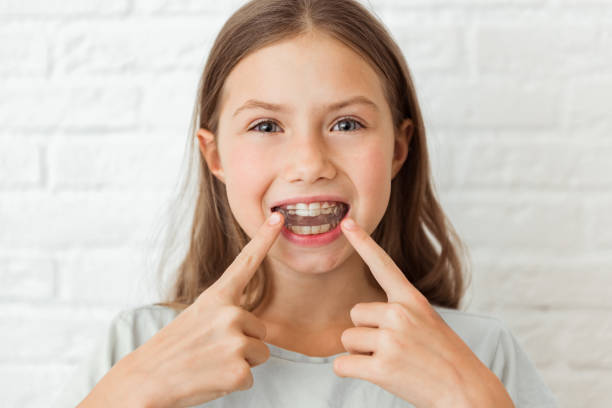
Braces for kids, also known as children’s braces, are orthodontic devices used to correct dental issues such as overcrowding, overbites, underbites, and more. These issues not only affect a child’s smile but can also lead to difficulties with eating, speaking, and maintaining proper oral hygiene. Orthodontic treatment for children aims to align their teeth and jaws to improve oral function and aesthetic appearance. In this guide: Whether you’re just starting to consider orthodontics for your child or are in the midst of treatment, this comprehensive guide will provide helpful insights into making the journey a successful one. You might find it useful to consult with a Palm Harbor Family Orthodontist who can offer personalized advice tailored to your child’s situation. If aesthetics is a concern, exploring options like clear braces could provide a less noticeable alternative to traditional metal ones. And with new advancements in orthodontics, there’s never been a better time to achieve a healthier, straighter smile for your child. Understanding the Need for Braces in Kids Braces for kids are more than just a pathway to a confident smile; they are crucial for correcting dental issues and promoting long-term oral health. Early orthodontic intervention can address problems like overcrowding, overbites, underbites, and other misalignments that, if left untreated, may lead to challenges with eating, speaking, and maintaining proper dental hygiene. Signs that your child might need braces include: An orthodontist specializes in diagnosing and treating such orthodontic problems. They use a variety of diagnostic tools including clinical exams, X-rays, and impressions of the teeth to create an accurate picture of your child’s dental alignment. If you’re considering braces for your child, it’s essential to choose a reputable orthodontist. A family orthodontist can provide personalized care tailored to the unique needs of children. Dietrich & Kelso Orthodontics offers feedback from other families who have embarked on this journey. Patient testimonials offer insight into personal experiences with braces and can be particularly informative when selecting an orthodontist who is right for your family. You can also hear from those who’ve had treatment at Dietrich & Kelso Orthodontics and learn about their success stories, which might mirror what you wish for your child. The role of the orthodontist extends beyond fitting braces; they monitor progress through regular adjustments and guide families on how to care for braces effectively. With professional oversight, braces can lead children towards healthier smiles as they grow. Different Types of Braces for Kids When it comes to getting braces for your child, there are many options to choose from. Understanding how each type works and the benefits it offers is essential. In this section, we will discuss the most common types of braces for children: 1. Traditional Metal Braces Traditional metal braces are the most common type of braces used by orthodontists. They consist of brackets that are attached to each tooth and connected by a wire. The wire is periodically tightened by the orthodontist to gradually move the teeth into alignment. Over the years, traditional metal braces have undergone improvements. The brackets are now smaller and less noticeable than before. Additionally, kids can have fun personalizing their braces with colored bands. How do traditional metal braces work? 2. Damon Braces Damon braces are a modern alternative to traditional braces. They use a self-ligating mechanism, which means there are no elastic ties involved. Instead, a slide mechanism holds the wires in place, allowing them to move more freely with the teeth as they straighten. What makes Damon braces stand out? 3. Invisalign Clear Aligners Invisalign aligners are an alternative option for straightening teeth, especially for those who prefer a more discreet treatment approach. Unlike traditional braces that use wires and brackets, Invisalign aligners are made of clear plastic and are virtually invisible when worn. Advantages and considerations of Invisalign aligners include: 4. Damon Braces When it comes to choosing braces for kids, Damon braces are a great alternative to traditional metal braces with color bands, Invisalign aligners, and lingual braces. Unlike regular braces that use rubber bands, Damon braces use a sliding mechanism to connect wires to brackets, allowing the teeth to move more naturally as they straighten. Why Are Damon Braces Popular Among Young Patients? Damon braces are a popular choice for many reasons: For families in North Lakeland who are interested in advanced orthodontic treatments, North Lakeland Braces offers a free consultation where you can learn more about Damon braces and other options available. This ensures that you can make an informed decision about your child’s orthodontic treatment. Similarly, if you live near Bartow, you can visit Bartow Braces for top-notch care and expert guidance in choosing the right treatment for your child. It’s important to remember that as orthodontic technology continues to evolve, Damon braces are just one of the many innovative solutions designed to correct dental misalignments in children. When deciding on the best type of braces for your child, it’s crucial to consider their lifestyle, specific orthodontic needs, and personal preferences. 5. Invisalign Clear Aligners When it comes to choosing braces for kids, Invisalign aligners are a popular option due to their nearly invisible appearance. These clear aligners are especially appealing to children who prefer a more discreet orthodontic treatment. Unlike traditional metal braces with colorful bands or Damon braces, Invisalign clear removable aligners are made up of a series of custom-fit plastic trays that gradually shift teeth into their proper position over time. Pros of Invisalign Aligners for Children: Cons of Invisalign Aligners for Children: For families who want to learn more about this option, it’s recommended to consult with specialists like Dietrich & Kelso Orthodontics. They can provide detailed information on how Invisalign might be beneficial for your child’s specific situation. Their expertise ensures that each treatment plan is customized to achieve the best possible outcome while taking into account the individual needs and lifestyles of young patients. It’s important to stay updated on the latest developments in orthodontic care. For those seeking more in-depth information and guidance on

How Do Braces Move Teeth? Understanding the Science Behind Tooth Movement
Imagine turning the key in a lock, opening the door to a straighter smile and a future of enhanced dental well-being with Dietrich and Kelso Orthodontics. That’s the power of braces, a marvel of orthodontic treatment that our doctors masterfully simplify for you. Through this blog, we invite you on an engaging exploration into the science and artistry behind braces, revealing how each meticulous step meticulously crafts the smile you’ve always dreamed of. Let’s take a closer look! Understanding the Basics of Braces Braces are a cornerstone of orthodontic treatment, designed to correct dental imperfections like crooked teeth, spacing, and misalignments. At Dietrich & Kelso Orthodontics, we harness the power of braces to not only enhance the aesthetic appeal of your smile but also improve oral health. By applying controlled pressure through brackets and wires, braces gradually shift teeth into their ideal positions. This process not only results in a more harmonious smile but also promotes better bite function and easier oral hygiene. As we explore the intricacies of braces, we’ll reveal how this dynamic system transforms smiles and lives. Let’s now discover the components that make up this transformative system, shedding light on how each part works in concert to create the perfect smile. The Components of Braces At the heart of braces lies a sophisticated ensemble of parts, each contributing uniquely to the journey of aligning your smile. Dietrich & Kelso Orthodontics employs these components with precision, ensuring every phase of your treatment is tailored to meet your dental goals: Understanding these components illuminates the path braces take to achieve their goal. Next, we’ll explore the mechanics of tooth movement, revealing the science behind how braces gently coax your teeth into perfect alignment. The Mechanics of Tooth Movement The magic of braces unfolds through a meticulous process known as orthodontic tooth movement. The underlying science is both fascinating and complex, involving a delicate balance of forces: Pressure and Reaction Braces work by applying continuous pressure on the teeth. This pressure stimulates a biological response in the tissues surrounding the teeth, leading to the remodeling of bone. On the side facing the pressure, bone is resorbed, and on the opposite side, new bone is formed. Bone Remodeling This is the cornerstone of orthodontic movement, where the periodontal ligament—a soft tissue layer between the tooth and bone—plays a pivotal role. As pressure is applied, cells called osteoclasts break down bone on the pressure side, while osteoblasts build new bone on the tension side. This dynamic process allows teeth to move through the bone gradually. The journey of braces is a testament to the body’s remarkable ability to adapt and reshape. With every adjustment at Dietrich & Kelso Orthodontics, your smile edges closer to its ideal form. Now that we’ve unveiled how braces move teeth, our final section will look into the phases of treatment and what you can expect during your transformation. The Phases of Braces Treatment Braces treatment at Dietrich & Kelso Orthodontics is a journey that unfolds in various key phases, each critical to achieving that harmonious smile. Understanding these stages can help demystify the process and set clear expectations for what lies ahead: Each phase of treatment at Dietrich & Kelso Orthodontics is designed with your ultimate smile in mind. Securing Your Smile’s Future At Dietrich & Kelso Orthodontics, our commitment to excellence doesn’t end when your braces come off. The journey to a perfect smile extends into ensuring your results last a lifetime. With various Central Florida locations primed to serve you, we’re equipped to provide you with comprehensive aftercare, including the use of retainers to maintain your new alignment. Embracing the changes braces bring not only enhances your smile but also bolsters your confidence and oral health. We invite you to schedule a free consultation with us and take the first step towards a lasting transformation. Your dream smile awaits at Dietrich & Kelso Orthodontics!

How to Keep Your Braces Clean: Tips for a Bright, Healthy Smile
Brace yourselves, Earthlings, for a cosmic exploration into the realm of braces care! Here at Dietrich & Kelso Orthodontics, our esteemed specialists are ready to be your guides on this stellar adventure. Just as astronauts prepare meticulously for their space odysseys, ensuring your braces stay in top-notch condition is vital for a stunning smile. So, strap in and prepare for an exciting expedition into the art of braces care. The Galactic Fundamentals of Braces Care Imagine your oral hygiene routine as a spaceship’s life support system. Your braces are the intricate machinery that keeps this spacecraft cruising smoothly. Just as astronauts depend on their ship’s systems, your braces rely on meticulous care to stay on course! Navigating the Importance of Cleanliness This cosmic trek begins with understanding the vital role of cleanliness for your teeth and braces. Maintaining pristine dental hygiene is your mission – it prevents dental decay and ensures your braces function flawlessly. In this space, odyssey, every brushing session, every flossing maneuver, and every rinse is a crucial part of your dental exploration. Tools for Brace Maintenance As you prepare for lift-off on this orthodontic voyage, gather your essential tools for brace care: a soft-bristle toothbrush, fluoride toothpaste, dental floss or interdental brushes, and a mirror. Now, let’s initiate the next phase of our mission and explore the intricacies of proper brushing techniques. Navigating Brushing Techniques In the universe of oral care, your spaceship – your braces – requires precision navigation. Picture your mouth as a vast expanse and your braces as distant galaxies full of nooks and crannies. To maintain a stellar smile, you’ll need to brush with finesse. Ensure your soft-bristle toothbrush is angled at 45 degrees toward the gumline. Begin with either your upper or lower teeth. Focus on small clusters of teeth at a time, using gentle, circular motions. Pay extra attention to brackets and wires. Interstellar flossing is the next step. Glide dental floss or interdental brushes between teeth and wires. Explore thoroughly between each tooth and around your braces. Finish your celestial routine with an orbital rinse. Use a fluoride rinse or antimicrobial mouthwash to swish around your mouth, targeting both your braces and teeth. Our mission continues as we explore dietary choices and their impact on your braces and overall dental health. The Cosmic Connection Between Diet and Brace Care Just as astronauts carefully select their spacecraft’s fuel, you must make wise dietary choices to ensure your braces stay in stellar condition. Your transformation with braces involves more than just brushing and flossing; it’s intrinsically linked to what you eat. Avoid space debris like: These can damage your braces or get lodged between wires and brackets. Opt for brace-friendly foods like: Maintain proper hydration levels by drinking plenty of water. It’s the elixir that keeps your mouth moist and helps flush away food particles. The experts at Dietrich & Kelso Orthodontics are your co-pilots on this voyage. They can provide you with dietary guidelines that align with your braces care routine, ensuring a smooth flight to a radiant smile. Prepare for the next revelation as we unlock the secrets of managing orthodontic discomfort. Navigating Orthodontic Discomfort Starting your voyage through the cosmos with braces might hit a few bumps along the way, causing some mild unease. Dietrich & Kelso Orthodontics is here to provide you with the wisdom needed to manage discomfort and ensure your path to a radiant smile is as smooth as possible. Strategies for Discomfort: Next, we’ll review the importance of staying on course with your orthodontic check-ups, just as astronauts remain in contact with mission control. Crucial Check-Ups: Monitoring Your Progress Just as astronauts rely on scheduled pit stops for ship maintenance, your orthodontic check-ups serve a similar purpose: With regular check-ups, you’ll stay on course for a successful smile transformation. But what happens when you encounter unexpected obstacles? In the next section, we’ll explore how to navigate orthodontic emergencies. Handling Orthodontic Emergencies with Braces In your orthodontic voyage, unexpected issues can emerge, much like asteroids in space: Always trust Dietrich & Kelso Orthodontics to navigate these orthodontic emergencies with you! Chart Your Orthodontic Course with Confidence With this intergalactic guide to braces maintenance and care, you’re well-prepared for your orthodontic odyssey. If you ever need assistance, Dietrich & Kelso Orthodontics is here to guide you, so don’t hesitate to reach out. Schedule a free consultation and explore the newest addition to our orthodontic universe – our South Tampa Office, which is now open!
Laser Gum Contouring: Enhance Your Smile with Precision and Comfort
At Dietrich & Kelso Orthodontics, we understand the magnetic allure of a confident smile, and we’re here to introduce you to a game-changer – Laser Gum Contouring. Ever wondered how celebrities achieve those perfectly proportioned, dazzling grins? This treatment might just be the secret sauce. In this guide, we’ll unveil the magic behind this innovative procedure and why our renowned experts are your go-to team for achieving that dream smile. The Magic Behind Laser Gum Contouring Laser gum contouring may sound like something out of a sci-fi movie, but it’s a real game-changer in the world of cosmetic dentistry. This cutting-edge procedure involves using a specialized laser to reshape your gum line, creating a beautifully balanced frame for your teeth. What Does It Treat? How It Works The laser precisely sculpts and reshapes the gum tissue, instantly revealing more of your teeth. The best part? It’s virtually painless and requires minimal recovery time. Why Choose Dietrich & Kelso Orthodontics? Our team is well-versed in the art of laser gum contouring. With a commitment to excellence and a passion for transforming smiles, we’ll ensure your procedure is safe and effective and leaves you with a smile that truly shines. Ready to learn more about the benefits? Keep reading! How Laser Gum Contouring Can Transform Your Smile Laser gum contouring is like a sculptor’s tool for your smile. It offers numerous advantages over traditional gum surgery. Here’s why you might want to consider it: Next, let’s dive deeper into what the actual procedure looks like and what you can expect when you choose this treatment with us. The Process of Laser Gum Contouring Now that you understand what laser gum contouring is and why it’s a game-changer let’s dive into the step-by-step process Dietrich & Kelso Orthodontics use to transform your smile with this innovative procedure: The process of laser gum contouring at Dietrich & Kelso Orthodontics is designed to be straightforward, efficient, and comfortable. Now, let’s explore whether this treatment is the right choice for you. Is Laser Gum Contouring Right for You? Laser gum contouring is undoubtedly an exciting and effective solution for enhancing your smile. At Dietrich & Kelso Orthodontics, we take a personalized approach to help you make the best decision for your oral health and aesthetics. Choosing this treatment is an important decision, and our expert orthodontists are here to guide you every step of the way. Let’s now discuss essential post-procedure care and maintenance to ensure your results shine brightly. Post-Procedure Care and Maintenance After your procedure at Dietrich & Kelso Orthodontics, maintaining your beautiful results is simple with these steps: With these guidelines, your gum contouring results will remain stunning. For any questions or concerns, our team is ready to assist you. Experience the Future of Orthodontic Care As you can see, laser gum contouring is a transformative treatment that can enhance both the beauty of your smile and your oral health. At Dietrich & Kelso Orthodontics, we are dedicated to providing the highest level of care, ensuring your comfort and satisfaction. We invite you to schedule a free consultation and experience the expertise of our team. Don’t miss our upcoming South Tampa Office opening in January 2024!

We Are Here For Your Orthodontic Emergencies
Orthodontic emergencies can trigger a wide range of emotions. At Dietrich & Kelso Orthodontics, we’re steadfast in our commitment to your well-being, and we address any urgent concerns swiftly. Let’s explore orthodontic emergencies and how our team is prepared to assist you regardless of what arises. What is an Orthodontic Emergency? Orthodontic emergencies distinguish themselves from everyday dental issues. They are urgent situations stemming from unexpected problems that can induce pain, significant discomfort, or threaten the outcome of your orthodontic treatment. Recognizing these emergencies promptly is pivotal. It’s the difference between a quick resolution and a prolonged issue that could set back your treatment plan. Most Common Orthodontic Emergencies Dietrich & Kelso’s Rapid Response System Emergencies are unpredictable, but our response to them isn’t. Our team is a collective of experienced professionals trained to handle the most unforeseen orthodontic situations. We recognize the essence of time during these crises, which is why we’ve dedicated specific times in our daily schedule exclusively for such instances. This built-in availability ensures that your treatment remains as uninterrupted as possible. Beyond addressing the immediate issue, we aim to provide a calming and reassuring experience, minimizing the stress associated with emergencies. Tips to Prevent Common Orthodontic Emergencies Your Trusted Partner in Orthodontic Care & Emergencies Emergencies can be daunting, but remember, you’re not alone. At Dietrich & Kelso Orthodontics, we are always ready to address these unexpected challenges, ensuring your treatment journey remains smooth and stress-free! Should you encounter any orthodontic emergencies or just have questions about your treatment, don’t hesitate to contact us. For comprehensive guidance and support on all things orthodontic, schedule a free consultation with our dedicated team today!
Invisalign for Teens: The Clear Path to a Confident Smile
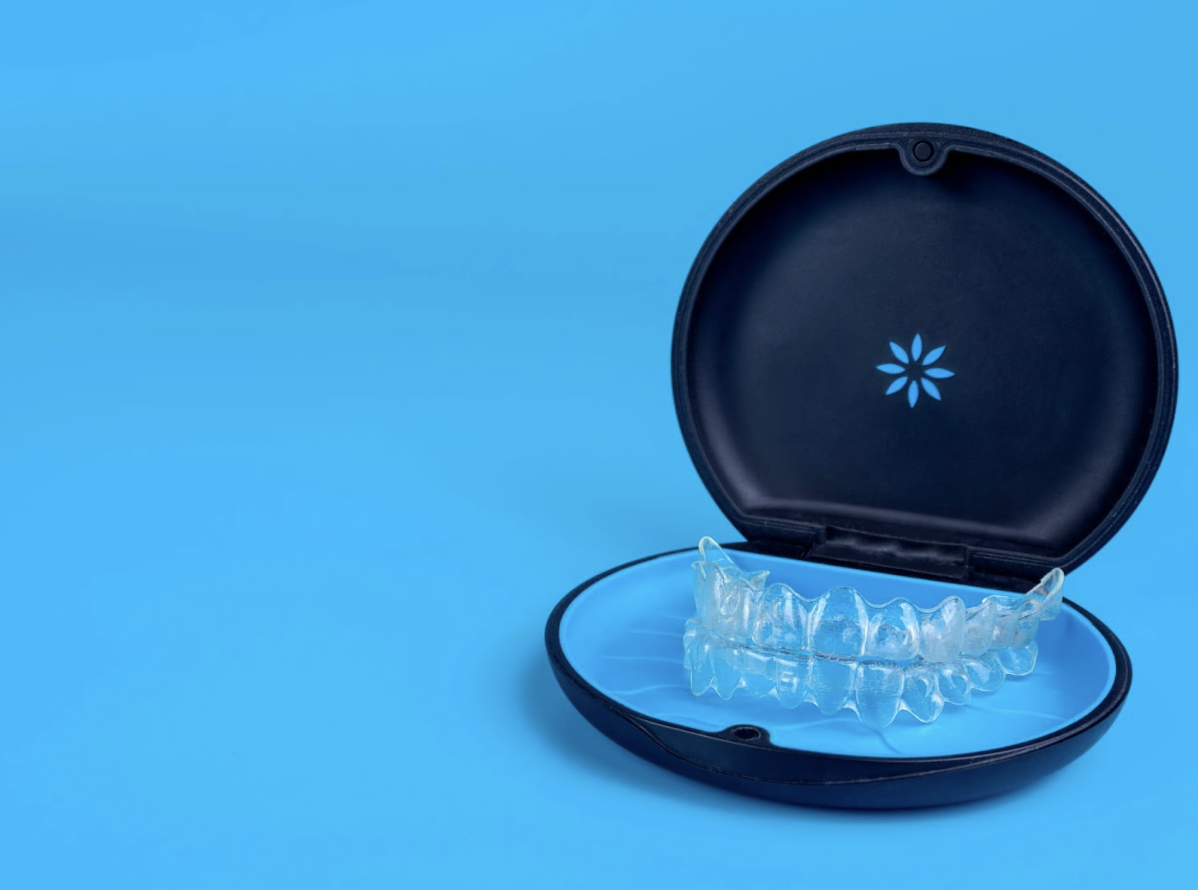
Invisalign has become a household name, almost as synonymous to clear aligners as Band-Aid is to adhesive bandages. This recognition is because they have created a stellar reputation as the leading clear aligner provider and innovator. And now they’ve created Invisalign for Teens, a similar treatment program for younger patients. To help your children get the most out of their Invisalign experience, Dietrich & Kelso Orthodontics has put together the following tips to create your teen’s guide to Invisalign. Why Invisalign For Teens? Understanding your teenager’s needs can be challenging, especially when it comes to their dental health and confidence. Fortunately, Invisalign created a modern solution for teens to straighten their teeth. Unlike traditional braces with noticeable metal brackets and wires, Invisalign offers a nearly invisible method using clear, custom-made aligners. These aligners are discreet and removable, allowing your teen to eat their favorite foods without restriction, easily maintain impeccable oral hygiene, and have the confidence of an almost undetectable treatment method. How To Get The Most Of Invisalign Treatment Though the removability of Invisalign clear aligners does provide your teen with freedom and flexibility, it can also cause some problems if they’re not careful. Here are a few ways your teen can take advantage of the benefits without jeopardizing their treatment. Wear the trays Orthodontic technology has come so far in recent years, but unfortunately, the aligners don’t work from a distance. Your teen does have to wear the aligners for twenty to twenty-two hours a day to straighten their teeth and jaw. It takes as little as one day to see noticeable regression, and the more days they miss, the more likely the trays will not fit when they try to wear them again! It’s also worth noting that Invisalign for Teens trays have a Compliance Dot that will tell on them if they’re not wearing them! Stay on schedule Invisalign treatment involves a series of trays, each worn for one to two weeks before advancing to the next. Sometimes, patients may be inclined to speed the process by moving to the next one in the set early or skipping a tray entirely in hopes of fast-forwarding their treatment. While we are just as excited as you and your teen are to see their bite aligned, we strongly discourage these and similar alterations to the treatment program. Attempts to speed up treatment risk negatively impacting the final treatment outcome and will likely extend overall treatment time. Following the schedule created by our team is the safest, quickest, and most effective way for your teen to finish their orthodontic journey. Clean the aligners Invisalign trays can have the same bacteria and plaque that cause decay, bad breath, and infection as the teeth and gums! If your teen cleans their mouth but not their aligners, they could develop oral health issues. Luckily, cleaning clear aligners takes only a few minutes a day. As long as they carefully follow the cleaning instructions provided by their orthodontist at Dietrich & Kelso Orthodontics, your child can preserve their health and the transparency of the trays. Protect the aligners Your teen should always put clear aligners in their protective case when they’re not in use! Due to their size and color, Invisalign cases are much easier to keep up with than thin, clear, loose trays. They also shield against germs and physical danger. Damaged, broken, or lost trays could result in prolonged treatment. Bonus Tip: Encourage teens to keep their previous trays when they advance to the next in the set. If anything happens, they can wear those aligners to keep their teeth from back-shifting too much while waiting on replacements. Use orthodontic wax This removable, single-use product is for when the aligner irritates the cheek or gums. Discomfort is more likely to occur as your child adjusts to a new aligner or if their aligner is damaged. Whatever the reason, easy-to-apply orthodontic wax can keep them comfortable and promote continued wear despite agitation. Invisalign School Survival Kit Navigating the bustling hallways, juggling classes, social life, and hobbies can be a whirlwind. And if your teen is starting or continuing on their Invisalign journey through all this, packing the following items in their bag as a “clear aligner survival kit” can make it smooth sailing for everyone. Get More Invisalign For Teens Information From The Experts At Dietrich & Kelso Orthodontics! As a Diamond+ Invisalign provider, you can be sure you and your child are receiving the best Invisalign care possible. Schedule a free consultation with us at one of our convenient locations today to discover if you or your teen qualify for clear aligner treatment!

What Is An Expander? – Life With An Expander
When people think of orthodontics and straightening smiles, they often think of braces and clear aligners. But did you know those are not the only tools we have at Dietrich & Kelso Orthodontics to create the smile of your dreams? We also have expanders! If you’re wondering what that is and what life with an expander looks like, keep reading! What Is An Expander? Teeth, like people, sometimes need a bit more room to shine. When they’re squished together, they can’t align properly. An expander is a dental device designed to widen the upper jaw to ensure ample space for teeth to be adequately spaced and correctly placed. It sits on the roof of the mouth. Over time, the expander gently stretches the bone and cartilage, making room for a more harmonious smile. Your bone will then form new bone to fill the gap and make the expansion permanent. Isn’t that cool? Though patients of all ages can benefit from a palate expander, younger patients are the most common recipients. Because children’s bones have not yet solidified and the two halves of their palate have not fused together, it is easier to make adjustments. How Will An Expander Affect My Day-To-Day? Fortunately, your expander will not change your daily routine too much. Let’s look at common questions patients and parents have about palate expanders. 1) What Does It Feel Like? Having a new device in your mouth can feel unusual at first. It’s like wearing a new pair of shoes; they might initially feel unfamiliar but mold to your feet with time. Similarly, your mouth will acclimate to the expander, and soon, you’ll barely notice it’s there. If you feel a slight pressure, don’t worry! This is normal, especially after adjustments, and is a sign that the expander is doing its job of creating a more aligned and spacious dental structure. Over-the-counter pain relievers and cold compresses can provide relief during these times. And if you ever feel unsure, your orthodontist is just a call away, ready to assist. 2) Will Eating Be Difficult? When you have a palate expander, you must make some minor diet modifications. You will need to avoid food that can break, stick to, or damage the appliance (such as overly hard, chewy, or sticky foods). Chewing might take some practice with your expander in place, but you’ll become a pro fairly quickly. It helps to remember that these dietary changes are only temporary, and soon you’ll be able to eat all the things your heart desires! At Dietrich & Kelso Orthodontics, we try to encourage patients to use their time in the palate expander as an opportunity to explore new foods you might not have otherwise given a second thought. Most patients quickly adjust, and we feel confident you will too! 3) What Will My Oral Hygiene Routine Look Like? Your oral hygiene routine will stay pretty much the same! All you will have to do is ensure your palate expander remains clean. You can do this by brushing your palate expander with a soft-bristled toothbrush and flossing with interproximal brushes. A water flosser is an excellent investment for patients with fixed expanders. These devices use water jets to rinse out your expander’s hard-to-reach places. Once you have completed your expander experience, the water flosser can help you keep your teeth and gums squeaky clean and healthy during and after braces, too! 4) Will I Still Be Able To Talk? Yes, of course, but it might be slightly challenging in the beginning. The expander occupies an area the tongue frequently touches, especially when forming certain sounds. As a result, you might develop a temporary lisp, increased salivation, and unintentional mumbling. Reading aloud can help you improve your confidence and conquer any communication difficulties faster. With some practice and time, you’ll forget about the expander and be able to talk without issue. 5) How Often Is My Expander Adjusted? Your expander is expanded daily, though that doesn’t mean you’ll have to come to see us every day! While a few palate expanders widen your teeth automatically, most require manually turning a screw once daily or a few times per week to enlarge the device. You will receive a special key to turn the screw in your expander. It takes only seconds per day and is not painful. The most you will feel from these adjustments is a slight tingling sensation that fades as fast as it comes! Expanders can be worn for as little as three months or as long as one year! However long you are with your expander, it’s not long when you think about the lifetime of enjoyment you’ll get from your new smile! Visit Dietrich & Kelso Orthodontics! Each of our orthodontists at Dietrich & Kelso Orthodontics prides themselves on creating personalized treatment plans for every patient. Schedule a free consultation with us today at one of our convenient locations to discover what your orthodontic journey would entail!