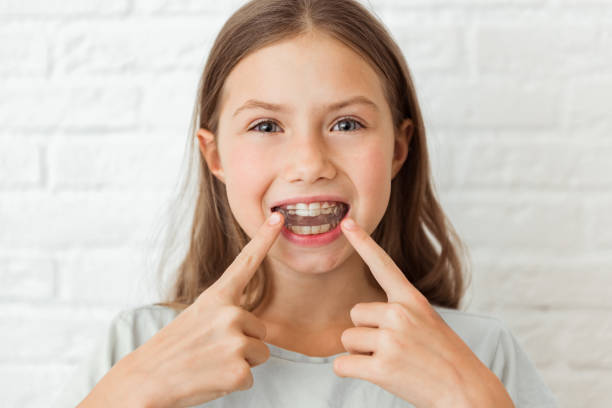
Braces for kids, also known as children’s braces, are orthodontic devices used to correct dental issues such as overcrowding, overbites, underbites, and more. These issues not only affect a child’s smile but can also lead to difficulties with eating, speaking, and maintaining proper oral hygiene. Orthodontic treatment for children aims to align their teeth and jaws to improve oral function and aesthetic appearance. In this guide: Whether you’re just starting to consider orthodontics for your child or are in the midst of treatment, this comprehensive guide will provide helpful insights into making the journey a successful one. You might find it useful to consult with a Palm Harbor Family Orthodontist who can offer personalized advice tailored to your child’s situation. If aesthetics is a concern, exploring options like clear braces could provide a less noticeable alternative to traditional metal ones. And with new advancements in orthodontics, there’s never been a better time to achieve a healthier, straighter smile for your child. Understanding the Need for Braces in Kids Braces for kids are more than just a pathway to a confident smile; they are crucial for correcting dental issues and promoting long-term oral health. Early orthodontic intervention can address problems like overcrowding, overbites, underbites, and other misalignments that, if left untreated, may lead to challenges with eating, speaking, and maintaining proper dental hygiene. Signs that your child might need braces include: An orthodontist specializes in diagnosing and treating such orthodontic problems. They use a variety of diagnostic tools including clinical exams, X-rays, and impressions of the teeth to create an accurate picture of your child’s dental alignment. If you’re considering braces for your child, it’s essential to choose a reputable orthodontist. A family orthodontist can provide personalized care tailored to the unique needs of children. Dietrich & Kelso Orthodontics offers feedback from other families who have embarked on this journey. Patient testimonials offer insight into personal experiences with braces and can be particularly informative when selecting an orthodontist who is right for your family. You can also hear from those who’ve had treatment at Dietrich & Kelso Orthodontics and learn about their success stories, which might mirror what you wish for your child. The role of the orthodontist extends beyond fitting braces; they monitor progress through regular adjustments and guide families on how to care for braces effectively. With professional oversight, braces can lead children towards healthier smiles as they grow. Different Types of Braces for Kids When it comes to getting braces for your child, there are many options to choose from. Understanding how each type works and the benefits it offers is essential. In this section, we will discuss the most common types of braces for children: 1. Traditional Metal Braces Traditional metal braces are the most common type of braces used by orthodontists. They consist of brackets that are attached to each tooth and connected by a wire. The wire is periodically tightened by the orthodontist to gradually move the teeth into alignment. Over the years, traditional metal braces have undergone improvements. The brackets are now smaller and less noticeable than before. Additionally, kids can have fun personalizing their braces with colored bands. How do traditional metal braces work? 2. Damon Braces Damon braces are a modern alternative to traditional braces. They use a self-ligating mechanism, which means there are no elastic ties involved. Instead, a slide mechanism holds the wires in place, allowing them to move more freely with the teeth as they straighten. What makes Damon braces stand out? 3. Invisalign Clear Aligners Invisalign aligners are an alternative option for straightening teeth, especially for those who prefer a more discreet treatment approach. Unlike traditional braces that use wires and brackets, Invisalign aligners are made of clear plastic and are virtually invisible when worn. Advantages and considerations of Invisalign aligners include: 4. Damon Braces When it comes to choosing braces for kids, Damon braces are a great alternative to traditional metal braces with color bands, Invisalign aligners, and lingual braces. Unlike regular braces that use rubber bands, Damon braces use a sliding mechanism to connect wires to brackets, allowing the teeth to move more naturally as they straighten. Why Are Damon Braces Popular Among Young Patients? Damon braces are a popular choice for many reasons: For families in North Lakeland who are interested in advanced orthodontic treatments, North Lakeland Braces offers a free consultation where you can learn more about Damon braces and other options available. This ensures that you can make an informed decision about your child’s orthodontic treatment. Similarly, if you live near Bartow, you can visit Bartow Braces for top-notch care and expert guidance in choosing the right treatment for your child. It’s important to remember that as orthodontic technology continues to evolve, Damon braces are just one of the many innovative solutions designed to correct dental misalignments in children. When deciding on the best type of braces for your child, it’s crucial to consider their lifestyle, specific orthodontic needs, and personal preferences. 5. Invisalign Clear Aligners When it comes to choosing braces for kids, Invisalign aligners are a popular option due to their nearly invisible appearance. These clear aligners are especially appealing to children who prefer a more discreet orthodontic treatment. Unlike traditional metal braces with colorful bands or Damon braces, Invisalign clear removable aligners are made up of a series of custom-fit plastic trays that gradually shift teeth into their proper position over time. Pros of Invisalign Aligners for Children: Cons of Invisalign Aligners for Children: For families who want to learn more about this option, it’s recommended to consult with specialists like Dietrich & Kelso Orthodontics. They can provide detailed information on how Invisalign might be beneficial for your child’s specific situation. Their expertise ensures that each treatment plan is customized to achieve the best possible outcome while taking into account the individual needs and lifestyles of young patients. It’s important to stay updated on the latest developments in orthodontic care. For those seeking more in-depth information and guidance on